Key takeaways:
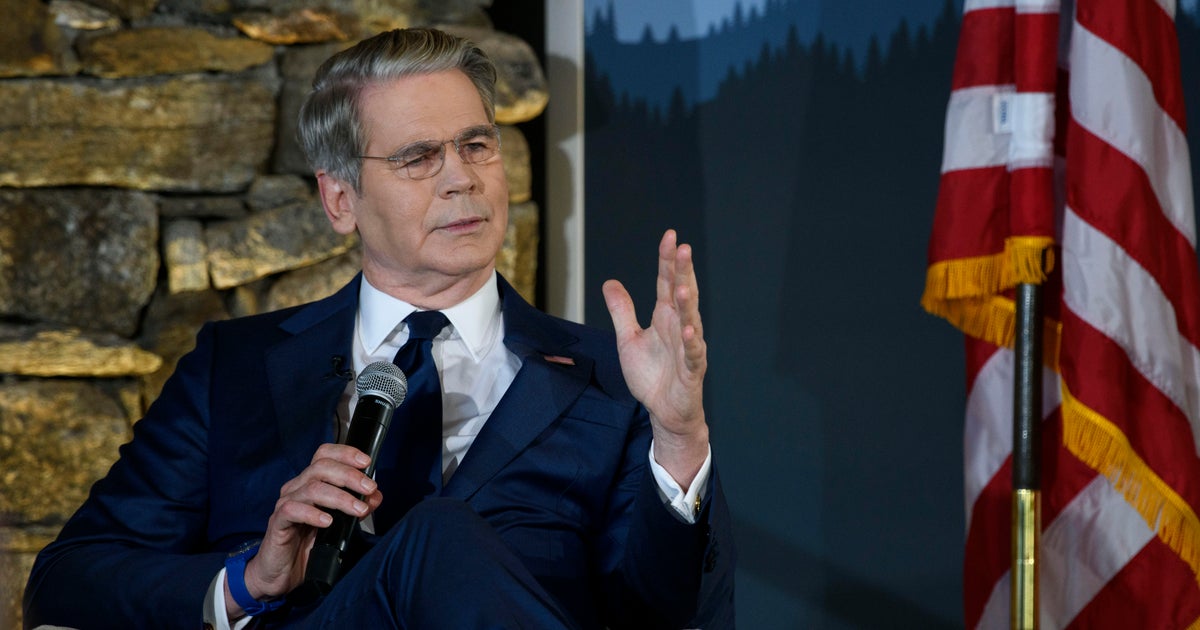
- Treasury Secretary Scott Bessent announced a buyback of up to $6 billion in 10- to 20-year government bonds to try to ease rising yields and borrowing costs.
- The 10-year Treasury yield rose to 4.85% after the announcement, while 20- and 30-year yields climbed as high as 5.3%, according to NBC News.
- The U.S. national debt surpassed $40 trillion in August, after doubling in less than a decade, a level analysts cited as a key driver of higher yields.
The Treasury Department’s $6 billion bid to cool a bruising selloff in U.S. government bonds backfired Wednesday, with Treasury yields climbing after the announcement and stocks sliding as investors demanded higher returns to hold federal debt.
Treasury Secretary Scott Bessent said the government would repurchase up to $6 billion in 10- to 20-year Treasury bonds, an effort aimed at reducing supply in the market, supporting prices and easing borrowing costs. The move followed an August pledge to “at least” double the Treasury’s typical buyback operation to $4 billion.
Instead, yields rose. NBC News reported that the 10-year Treasury yield climbed as high as 4.85%, its highest level since November 2023, while CBS News said the 10-year rate rose to 4.85% from 4.80% late Tuesday, its highest point since October 2023. The Guardian described the 10-year yield as reaching a three-year high. NBC News reported that 20- and 30-year yields surged as high as 5.3%, while The Guardian said the 30-year Treasury bond yield hit about 5.2%, the highest since the 2008 financial crisis.
Stocks also weakened. At midday, the Nasdaq Composite was down 0.8%, and the S&P 500 had fallen 0.6%, according to NBC News. Higher Treasury yields can lift borrowing costs for consumers and businesses, including rates tied to mortgages, student debt and car loans, and can weigh on equity prices.
Bessent had described the rise in yields as a market “fever.” Speaking Tuesday to Breitbart, he said, “There was, like, this fever that was building,” and suggested yields had risen largely because of the “financial press.” He added: “They get a hold of a narrative, and I wanted things to become more fact-based. My job is to try to push things back towards equilibrium.”
Analysts questioned whether the buyback would be large enough to change market direction. “They are repurchasing bonds that have been around for a while and are a smaller part of the market, but the Treasury thinks this will constrain 20- to 30-year yields from rising and put downward pressure on 10-year yields too,” Mike O’Rourke, chief market strategist at JonesTrading, told CBS News.
O’Rourke said rising U.S. government debt is the main catalyst behind higher yields. The national debt surpassed $40 trillion in August, after doubling in less than a decade. “If you want to get Treasury yields under control, you would tackle that issue. Instead, we are tinkering on the periphery of the market, and that’s not a real solution,” he said.
Other analysts also expressed skepticism. “The simplest version here is that market interventions have a long history of not working very well,” Guy LeBas, chief fixed-income strategist at Janney Montgomery, told the Associated Press, according to CBS News.
Wrightson ICAP chief economist Lou Crandall said the operation keeps the “guessing game going a little while longer,” noting that six more bond-sector operations are scheduled through Nov. 4 and will be “$4 billion or more.”
The selloff has unfolded against a backdrop of inflation concerns, the war in Iran and higher energy prices. The Guardian reported that annualized inflation hit a three-year high in May before easing to 3.4% in July, 0.7 percentage points higher than a year earlier, largely because of energy costs. Brent crude rose past $100 on Wednesday for the first time since July, The Guardian reported.
The bond market’s reaction adds pressure on Federal Reserve Chair Kevin Warsh, who became chair in May. President Donald Trump last week urged the Fed to cut rates, writing on social media: “A STRONG COUNTRY MEANS A LOWER INTEREST RATE.” At the Fed’s Jackson Hole symposium in August, Warsh said it was “the Fed’s job to deliver stable prices,” but did not say whether the central bank would raise rates soon.





Be First to Comment