Key takeaways:
- The IAEA Board of Governors approved a resolution referring Iran to the U.N. Security Council for nuclear non-compliance, the first such referral in 20 years.
- The resolution was backed by at least 23 countries; Russia, China and Niger voted against it, and eight countries abstained, according to the BBC.
- Iran says U.S. and Israeli attacks on its nuclear facilities disrupted inspections, while the IAEA says lack of access and information is a serious proliferation concern.
The U.N. nuclear watchdog has referred Iran to the Security Council for failing to meet its nuclear nonproliferation obligations, the first such step by the agency’s board in 20 years and a symbolic escalation in a widening standoff between Tehran and Western powers.
The International Atomic Energy Agency’s 35-nation Board of Governors approved the resolution Wednesday at a meeting in Vienna. The measure, put forward by the United States, Britain, France and Germany, cites Iran’s lack of information on nuclear material, including its stockpile of highly enriched uranium, and the lack of access for IAEA inspectors to nuclear facilities.
At least 23 countries voted in favor. Russia, China and Niger opposed the resolution, while eight countries abstained, the BBC reported. The document asks IAEA Director General Rafael Grossi to report Iran to the Security Council.
The resolution says it notes “with grave concern… Iran’s continued non-compliance with its obligations” and “reiterates its call upon Iran to urgently remedy its non-compliance,” according to Al Jazeera.
Despite the referral, new U.N. sanctions or other Security Council action appear unlikely because Russia and China, both allies of Iran, hold veto power on the council.
Iran condemned the decision and blamed the United States and Israel for creating the conditions that disrupted inspections. “They attack Iran’s safeguarded nuclear facilities, disrupt the normal process of verification, and then use that very disruption as a pretext to issue a resolution,” Iranian Deputy Foreign Minister Kazem Gharibabadi wrote on X.
Iran’s mission to the United Nations also denounced the measure. “The current situation is created solely because of the criminal acts of aggression by the U.S. and Israeli regime. The delusional objective of the U.S. to force the great Iranian nation into ‘surrender’ and to plunder its oil will never happen,” the mission said in a post on X, according to Al Jazeera.
The European Union accused Iran of suspending cooperation with the IAEA and refusing to allow inspections of its nuclear facilities. “It is critical and urgent that Iran provides the IAEA with updated verifiable declarations about the quantity and whereabouts of nuclear material and related activities and allows inspections to resume in all its nuclear facilities,” the bloc said Wednesday.
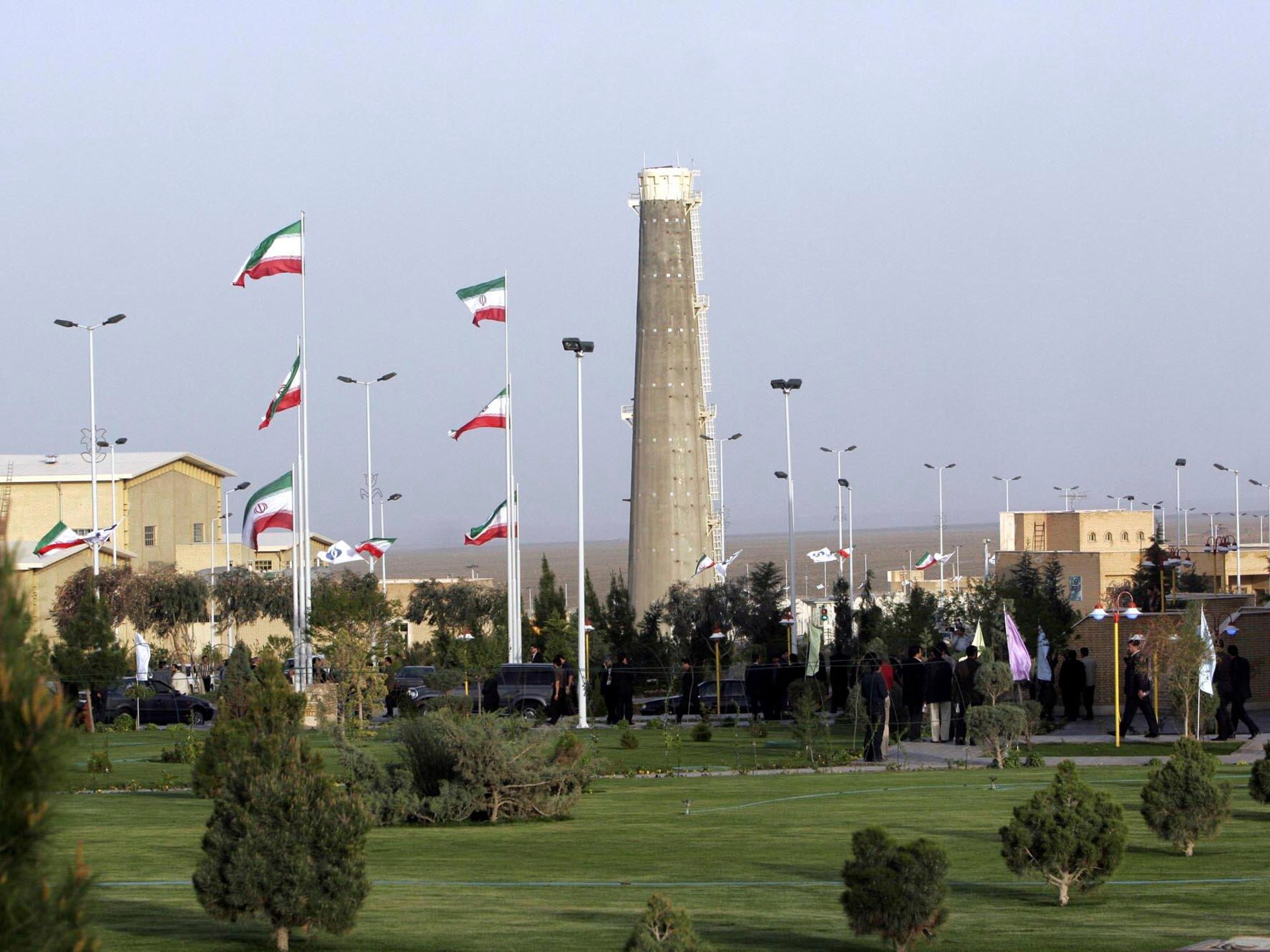
The IAEA has not had access to Iran’s nuclear facilities since Israel and the U.S. carried out strikes on those sites during a 12-day conflict in June 2025, the BBC reported. Al Jazeera reported that IAEA staff have not been allowed to continue inspecting three Iranian nuclear facilities since U.S. and Israeli attacks in June last year, and that the sites were reportedly badly damaged or destroyed. The BBC also reported that the sites were targeted again in the latest war, launched by Israel and the U.S. on Feb. 28.
Iran says attacks on its facilities, including uranium enrichment plants at Natanz and Fordo, are the reason it has not allowed IAEA inspectors to visit. Tehran also wants access to be addressed as part of a wider settlement with the U.S. and Israel to end the war, the BBC reported.
Grossi told the IAEA board Monday that the access issue needed to be addressed “urgently.” He said, “The agency’s lack of information about these facilities and associated nuclear material and our inability to conduct verification activities at these facilities is a matter of serious proliferation concern.”
Iran, a signatory to the Nuclear Non-Proliferation Treaty, has repeatedly said its nuclear program is solely for peaceful purposes and that it is not producing nuclear weapons. The U.S., Israel and several European countries have questioned that claim.
Estimates of Iran’s highly enriched uranium stockpile vary in the reports. Al Jazeera reported that the IAEA suspects Iran has about 400 kilograms, or 881 pounds, of highly enriched uranium, enough to potentially manufacture 10 nuclear weapons if enriched further. The BBC reported that senior U.S. officials said Tehran had roughly 440 kilograms, or 970 pounds, of 60% enriched uranium at the start of the latest U.S.-Israel war against Iran. That material can be enriched relatively quickly to the 90% level needed for weapons-grade uranium.







Be First to Comment