Key takeaways:
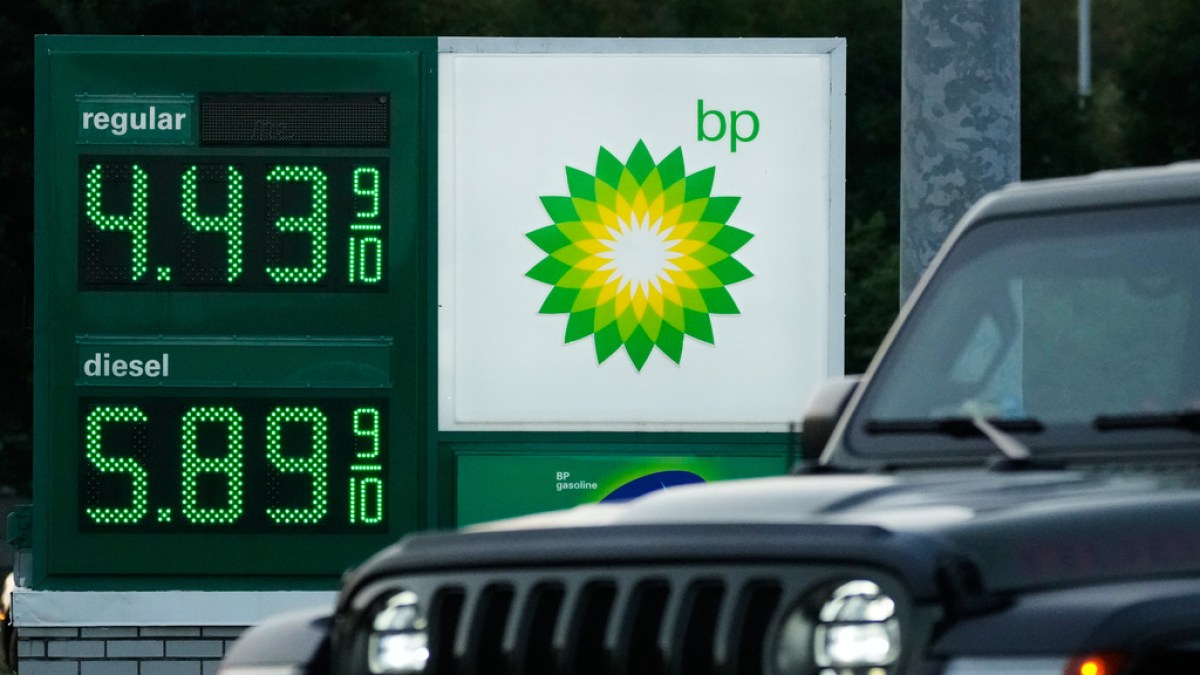
- AAA said U.S. diesel reached a record $5.85 per gallon Friday, while regular gasoline rose to about $4.15 ahead of Labor Day weekend.
- Lloyd’s shipping data cited by CBS News showed 102 ships transited the Strait of Hormuz last week, below 126 the week before and pre-war levels of at least 130 tankers daily.
- The U.S. Treasury sanctioned Turkey-based Golden Global Yatirim Bankasi Anonim Sirketi, alleging it facilitated tens of millions of dollars in transactions to Iran’s Revolutionary Guard.
Diesel prices in the United States climbed to an all-time high Friday as fighting with Iran continued to disrupt traffic through the Strait of Hormuz, raising costs for Labor Day travelers and adding pressure on the Trump administration ahead of November’s midterm elections.
The national average price of diesel reached $5.85 a gallon, according to AAA, surpassing the previous peak set in June 2022 after Russia invaded Ukraine. Diesel powers heavy machinery, buses, trains and large trucks, and higher prices can raise transportation and production costs for goods including groceries.
Gasoline prices also rose heading into the holiday weekend. AAA put the national average for regular gasoline at $4.15 a gallon, while Al Jazeera reported it at $4.14 on Friday. AAA said the average has never been above $4 on Labor Day and warned that holiday travelers are facing the highest prices ever for this time of year. The price has risen about 6 cents in the past week and nearly $1 from a year ago, according to CBS News.
“Continued volatility in the Strait of Hormuz has pushed crude oil prices in the $90 per barrel range,” AAA said in a report cited by Al Jazeera. “After a record-setting August, this Labor Day weekend is on track to also set a record at the pump.”
President Donald Trump and his allies have said oil flows through the Strait of Hormuz are nearing pre-war levels. Trump shared a social media post Thursday claiming that 18 million barrels of oil are passing through the strait daily, Al Jazeera reported. Vice President JD Vance told reporters that Iran’s control over Hormuz is “effectively gone.”
“If you go back three months ago, how much oil and gas was coming out of the strait under Iranian threats? It was virtually nothing. Now, it’s almost back to where it was before the conflict even started,” Vance said.
Shipping data cited by CBS News showed traffic remains far below pre-war levels. Lloyd’s said 102 ships transited the waterway last week, down from 126 the week before and compared with pre-war levels of at least 130 tankers daily. Al Jazeera reported that verifying oil flows is difficult because tankers traveling under U.S. protection turn off transponders to avoid detection by Iranian forces.
Vance declined Thursday to say when Americans might see lower fuel prices, telling reporters that “gas, frankly, could have been much, much higher were it not for our efforts” in the conflict, which he said he “wouldn’t call” a war. National Economic Council Director Kevin Hassett told Fox News on Friday that rising pump prices are “a very short-term thing” and said he receives daily updates because “the president wants us watching this every day.”
The U.S. Treasury on Friday imposed sanctions on Golden Global Yatirim Bankasi Anonim Sirketi, a Turkish financial firm it said facilitated tens of millions of dollars in transactions to Iran’s Islamic Revolutionary Guard Corps. Treasury called the bank a “critical financial lifeline” for Iran. “Financial institutions continue to find out the hard way that we are serious about Operation Economic Outcast,” Treasury Secretary Scott Bessent said.
In Iran, President Masoud Pezeshkian told state TV the government is not planning to raise gas prices and will manage fuel consumption through non-pricing measures. “Under no circumstances should decisions in this area be made in a way that exposes society to sudden and shocking behavior,” he said, adding that savings from reduced gasoline use would support an electronic food voucher program.
Iranian officials also acknowledged domestic strain. Government spokeswoman Fatemeh Mohajerani said “the government does not deny the economic pressure on the people and the shortages,” and said U.S. sanctions had affected infrastructure projects.
The war’s civilian toll remained in dispute after Iranian officials said a U.S. airstrike hit a wedding party Tuesday in Kuhestak, killing at least four people, including 4-year-old Amir Mohammad Karimi. Iranian media showed thousands attending the child’s funeral Thursday. U.S. Central Command said it is investigating the reports, and spokesman Capt. Tim Hawkins said the “U.S. military does not target civilians.” Vance said he was “extremely skeptical” of the allegation but added, “We’re investigating it because obviously we care, we want to know.”








Be First to Comment