Key takeaways:
- Khamenei called on Gulf and other Muslim leaders to identify and confront their “real enemy” in a message marking the Prophet Muhammad’s birthday.
- Iran says the Strait of Hormuz remains closed unless vessels coordinate with Tehran, while talks with Oman have focused on a temporary maritime route.
- President Masoud Pezeshkian said Iran’s imports and exports have fallen nearly 35 percent because of U.S. sanctions and a naval blockade.
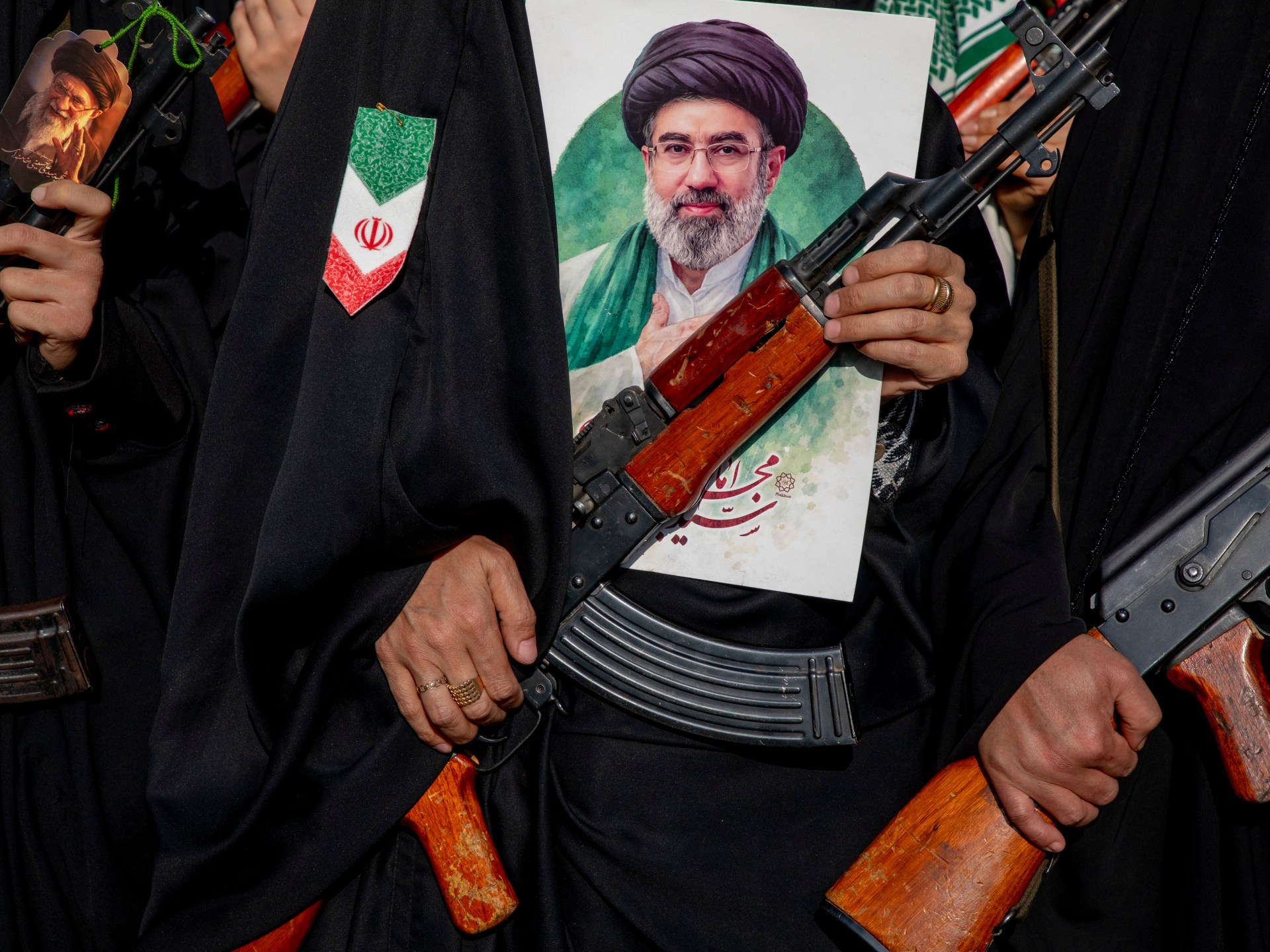
Iran’s Supreme Leader Ayatollah Mojtaba Khamenei urged Muslim and Gulf leaders to unite against what he called their “real enemy,” issuing the appeal as Tehran holds firm in a dispute over the Strait of Hormuz and faces deepening economic pressure from war and sanctions.
“My emphatic and repeated recommendation to the rulers of Islamic countries, especially the countries of West Asia and the Gulf, is to identify your real enemy, understand his plan and confront it,” Khamenei said in a message published for Islamic Unity Week, which marks the birthday of the Prophet Muhammad.
The message, posted on Khamenei’s Telegram account, called for Muslim unity, cooperation in multiple fields and mutual defense. It said anyone who creates divisions among Muslims, “knowingly or unknowingly,” helps Islam’s enemies, and asked whether Palestinians would have been left “so helpless” if Muslims had been united.
Khamenei has not appeared publicly since U.S.-Israeli attacks six months ago that killed his father and predecessor, Ayatollah Ali Khamenei. NBC News reported that he was injured in the strikes, which launched the Iran war. Al Jazeera reported the attacks took place on February 28.
His latest appeal also singled out Gulf Arab rulers, asking whether “rogues without identity” would have dared to covet their lands and possessions if Gulf peoples and governments had been “united under the flag of Islam.” Since Iran’s 1979 Islamic Revolution, Gulf Arab monarchies have viewed Tehran’s revolutionary ideology, anti-monarchic rhetoric and regional influence as threats to their political systems. During the current conflict, Tehran has struck U.S. military facilities and other infrastructure in Gulf states, heightening tensions with its neighbors.
The unity message followed a similar call to Iranians on Friday, when Khamenei said he had banned actions that harm social cohesion and urged authorities to avoid “discouraging statements” that weaken national and public morale.
The diplomatic standoff is centered in part on the Strait of Hormuz, the strategic waterway that Al Jazeera reported carried about 20 percent of global oil and liquefied natural gas shipments before the war. Deputy Foreign Minister Kazem Gharibabadi said Saturday that Iran had reached an understanding with Oman on a temporary maritime route, but that implementation depended on the United States fulfilling commitments under a mid-June memorandum of understanding that has since lapsed.
“The Strait of Hormuz is closed,” Gharibabadi said, adding that any vessel seeking to cross would have to coordinate with Iran. “Implementing this understanding requires the other side, particularly the US, to fulfil its commitments. Whenever these commitments are implemented, Iran will also take its measures.”
Iran and Oman have discussed a temporary joint shipping corridor and mine clearance, while Qatar and Pakistan have intensified mediation efforts. Qatar’s prime minister and foreign minister, Sheikh Mohammed bin Abdulrahman bin Jassim Al Thani, visited Tehran on Thursday for talks that included de-escalation and restoring shipping through Hormuz.
Recorded ship traffic remains depressed. Al Jazeera, citing Reuters and Kpler data, reported that seven commodity vessels crossed the strait on Thursday, down from 17 the day before and below the 10-day average of 15. The International Maritime Organization said Friday that up to 400 ships carrying about 6,000 seafarers have been unable to leave the Gulf safely since the war began.
“Renewed political will and cooperation is needed,” IMO Secretary-General Arsenio Dominguez said, urging practical steps to restore freedom of navigation.
Iranian leaders have acknowledged the economic toll. President Masoud Pezeshkian said imports and exports had fallen nearly 35 percent because of U.S. sanctions and a naval blockade of Iranian ports. Al Jazeera reported that annual inflation reached 66 percent last month.
Tehran has pledged to address inflation, manage markets, create jobs, direct investment toward domestic production and gradually reduce dependence on the dollar. But it has not signaled retreat. Pezeshkian said Iran sold about 90 million barrels of oil during the short-lived June memorandum of understanding, when Washington permitted Iranian oil sales, and called on state TV for reviving the deal.
“We can solve our problems and gain our privileges with the memorandum of understanding,” he said.




Be First to Comment