Key takeaways:
- Lindsay Clancy has pleaded not guilty to three counts of first-degree murder in the strangulation deaths of her children, Cora, Dawson and Callan, in January 2023.
- Her defense argues she was suffering from postpartum psychosis and is not legally responsible, while prosecutors say she planned the killings and knew right from wrong.
- A first-degree murder conviction in Massachusetts carries mandatory life without parole; a finding of not guilty by reason of mental disease or defect would mean indefinite psychiatric commitment, not release.
A Massachusetts jury has begun deciding whether Lindsay Clancy should be held criminally responsible for killing her three young children, a verdict that could send her to prison for life or commit her indefinitely to a state psychiatric hospital.
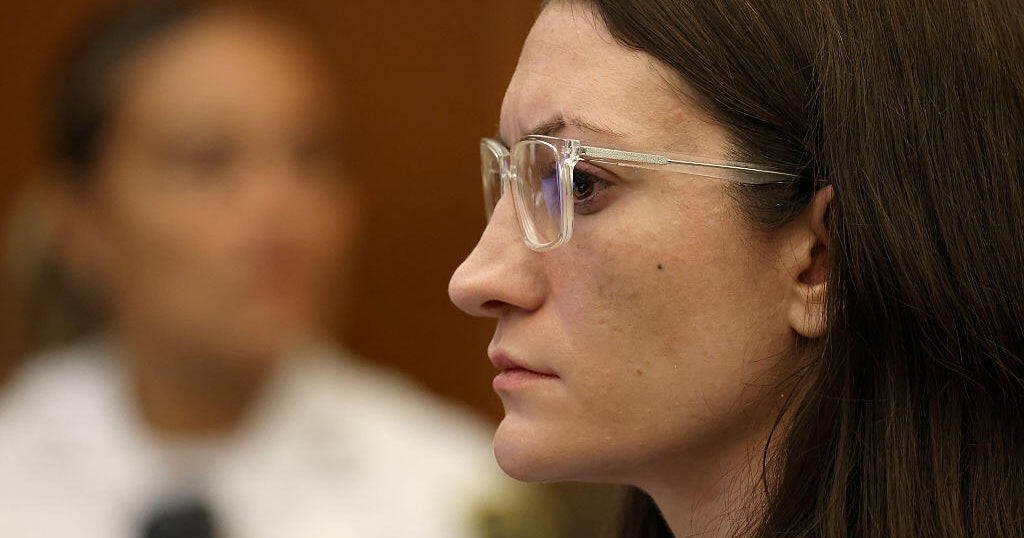
Clancy, 36, has pleaded not guilty to three counts of first-degree murder in the January 2023 strangulation deaths of 5-year-old Cora, 3-year-old Dawson and 8-month-old Callan. Her lawyers do not dispute that she killed the children, but argue she was suffering from postpartum psychosis and cannot be held legally responsible by reason of insanity. Prosecutors say she planned the killings and knew her actions were wrong.
Jurors began deliberating Thursday after five weeks of testimony and closing arguments. They may find Clancy guilty of first-degree murder, guilty of lesser charges or not guilty by reason of mental disease or defect.
Under Massachusetts law, a first-degree murder conviction carries a mandatory sentence of life in prison without the possibility of parole. A conviction on a lesser charge, such as second-degree murder or involuntary manslaughter, also would bring prison time, though parole could be possible, WBZ-TV legal analyst Jennifer Roman told CBS News Boston.
Clancy’s attorney, Kevin Reddington, told jurors in closing arguments that she was experiencing postpartum psychosis when she killed the children with exercise bands at their home and then tried to end her own life by jumping from a window. Clancy was paralyzed from the waist down in the attempt and has attended the trial in a wheelchair.
“This young lady is not guilty of the killing of her children because she was suffering from a disease and defect,” Reddington said, adding that prosecutors were “not going to be able to prove otherwise.”
The BBC reported that one tense moment in closing arguments came when Reddington directly addressed prosecutors and asked why they spent a week trying to show Clancy’s suicide attempt was not serious. The judge interrupted and told him to address only the jury.
Prosecutor Jennifer Sprague did not dispute that Clancy was mentally ill, but argued she could tell right from wrong when the children were killed. “It’s not the system or the DSM that caused her to strangle her kids,” Sprague told the jury, referring to the U.S. diagnostic manual for mental health conditions, which does not include postpartum psychosis.
Sprague also said Clancy had an “abundance of care,” but hid thoughts about harming her children from doctors.
The legal question before jurors is whether Clancy understood right from wrong or had the ability to act within the law at the time of the killings. “This case comes down to what was in Lindsay Clancy’s mind,” CBS News legal contributor Jessica Levinson said. “Was she able to understand that what she was doing was wrong or criminal? Was she able to comport her behavior within the law?”
Jurors heard competing testimony from forensic psychiatrists for the prosecution and defense. CBS News legal contributor Rebecca Roiphe said the verdict may turn on “those warring experts” and whether the facts fit one side’s psychiatric assessment more than the other.
If Clancy is found not guilty by reason of mental disease or defect, she will not go free. CBS News legal analyst Caroline Polisi said she would be committed indefinitely to a state mental health facility, where she is now. Clancy is currently being held at Tewksbury Hospital.
Polisi said Clancy would be periodically evaluated, and if doctors deemed her fit for release, a judge would decide whether she remains a danger to herself or others. Roman said Massachusetts law places no time limit on such commitments. “It could be in essence a life sentence at the state hospital if the faculty there ultimately decides she’s not safe to return to the community,” Roman said.
If convicted, Clancy’s paralysis and current 24-hour suicide watch would likely affect where and how she is held, Roman said. Legal analysts said, however, that possible penalties or confinement should play no role in the jury’s deliberations, which must be based only on the law and evidence.











Be First to Comment