Key takeaways:
- Former nanny Elaine Rossi testified that she had no concerns about Lindsay Clancy’s interactions with her children and called her “a wonderful mother.”
- Forensic toxicologist Justin Brower said four psychiatric medications were detected in Clancy’s blood, but the levels were not consistent with a suicidal overdose.
- Clancy faces life without parole if convicted, while a finding of no criminal responsibility could lead to commitment to a state mental health facility.
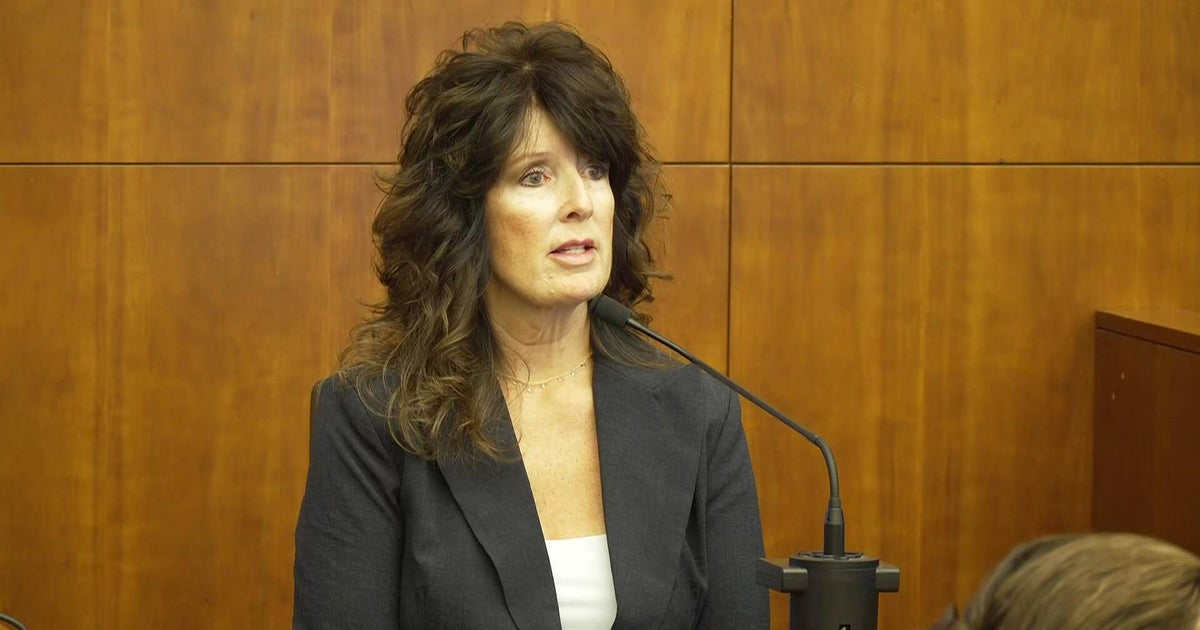
A former nanny for Lindsay Clancy told jurors Wednesday that the Massachusetts mother accused of killing her three young children was “a wonderful mom who loved her kids,” as prosecutors also presented toxicology testimony suggesting the drugs in Clancy’s system were not at levels typical of a suicide attempt.
Clancy is charged with first-degree murder in the Jan. 24, 2023, deaths of 5-year-old Cora, 3-year-old Dawson and 8-month-old Callan at the family’s home in Duxbury. She has admitted killing the children in the basement. Prosecutors say she acted intentionally and then faked a suicide attempt; her defense says she was overmedicated and suffered an extreme episode of postpartum psychosis.
Elaine Rossi, the family’s former nanny and the prosecution’s 45th witness, said she worked for the Clancy family from September to early December 2022 after responding to a Facebook post by Clancy. Rossi, who said she had worked as a nanny for 15 years, cared primarily for Callan after Clancy returned to work in November. She worked three days a week from 8:30 a.m. to 1:30 p.m. and also helped with food preparation, light housekeeping and laundry.
Rossi said Clancy told her she was “suffering from postpartum” and that she saw prescription bottles in the home. Clancy also told Rossi she would stop nursing Callan because she was about to begin a new medication.
But Rossi said she had no concerns about Clancy’s interactions with her children.
“None at all, she was a wonderful mom,” Rossi testified. She described Callan as “the happiest, sweetest, easiest baby,” adding, “He was just a love.”
During cross-examination, defense attorney Kevin Reddington asked Rossi what she had told Massachusetts State Police about Clancy.
“I observed a wonderful mom who loved her kids,” Rossi said. “She was very concerned about their safety. She was very concerned with Callan’s eating and sleeping. She was a wonderful mother.” Asked whether she remembered telling police, “I love my Lindsay,” Rossi responded, “I did love Lindsay, yes.” Clancy cried during Rossi’s testimony, CBS News reported.
Forensic toxicologist Justin Brower of NMS Laboratories testified that his lab examined four psychiatric medications detected in Clancy’s blood: mirtazapine, lamotrigine, trazodone and quetiapine. The Guardian reported that Brower said only quetiapine appeared slightly elevated, but not at a “toxic concentration” or “suicidal concentration.” Quetiapine can be used to treat schizophrenia, bipolar disorder and major depressive disorder, and in low doses may be prescribed for insomnia, Brower testified.
“Usually people take handfuls of pills when they’re trying to harm themselves and take their own life, and this is not consistent with that,” Brower said. Under questioning from the defense, he agreed that the toxicology results “don’t tell the entire story.”
Earlier Wednesday, Eitan Negri, a physician assistant who treated Clancy at Brigham and Women’s Hospital after the killings, testified that she had multiple lacerations on her wrists and superficial lacerations on her neck. Prosecutors have argued those wounds show she was not trying to die by suicide. Negri said he did not observe active bleeding. On cross-examination, he confirmed Clancy was “critically ill” when he treated her and had a cut 3.5 centimeters deep.
Jurors previously heard excerpts from Clancy’s journals describing suicidal thoughts, insomnia, anxiety, despair and struggles with motherhood, including difficulty breastfeeding and feeling disconnected from her children and husband. “I want help. I want to be well,” she wrote in one entry, according to The Guardian.
Clancy faces life in prison without parole if convicted. If found not criminally responsible, she could be committed to a Massachusetts state mental health facility.





Be First to Comment