Key takeaways:
- The first flight carried 20 deportees to Roberts International Airport outside Monrovia under a U.S.-Liberia deal covering up to 1,200 people over the next year.
- Liberian officials said the deportees may apply for asylum, are free to leave the country and are not being prosecuted as criminals.
- Human Rights First says the Trump administration has made agreements with at least 35 countries to accept third-country deportees since 2025.
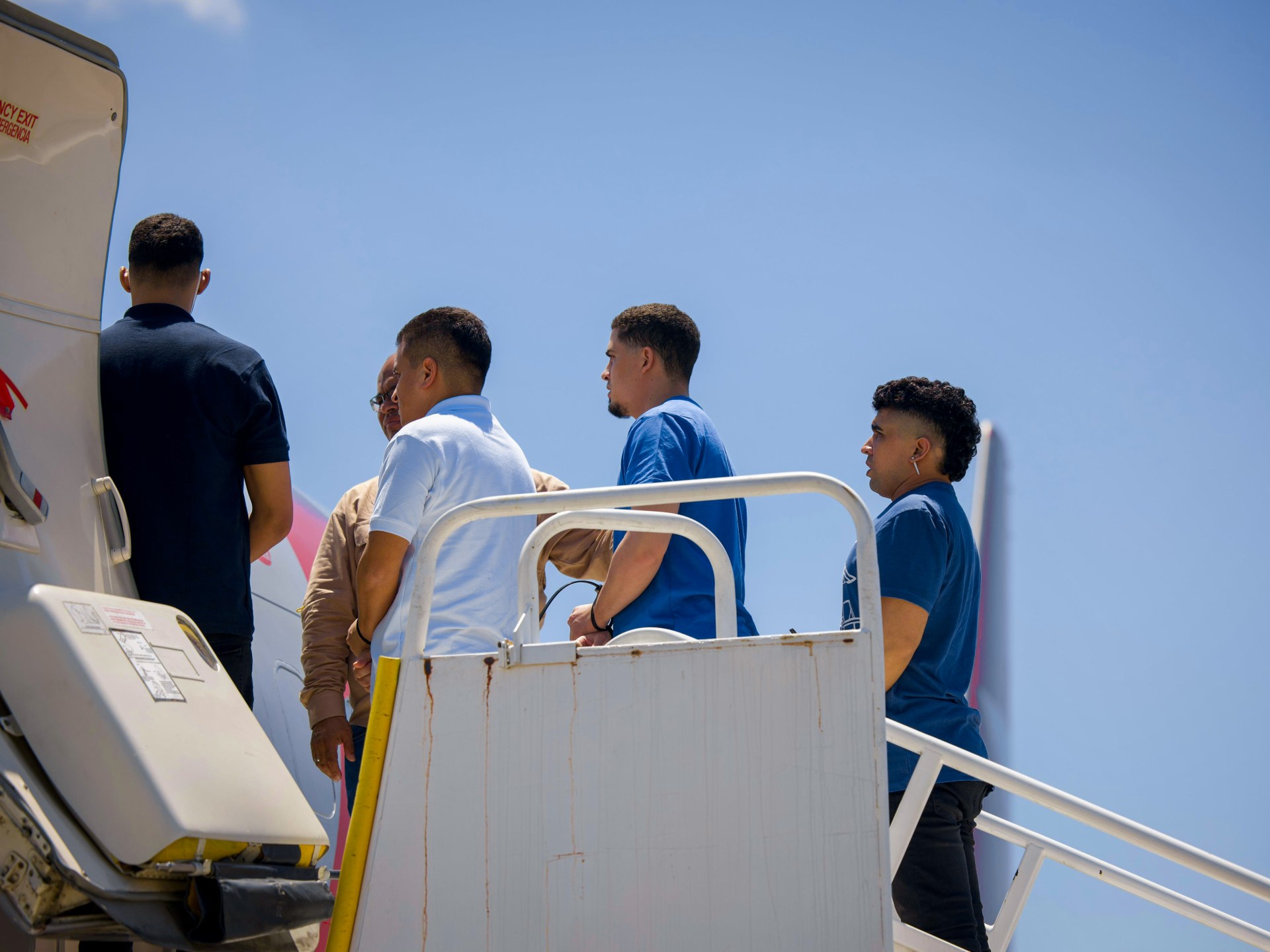
The United States has sent the first 20 deportees to Liberia under a new agreement that could bring up to 1,200 people to the West African country over the next year, expanding the Trump administration’s use of deportations to countries other than migrants’ own.
The group arrived Thursday at Roberts International Airport outside Monrovia. The deportees, largely from Latin American countries including Venezuela and Cuba, boarded a bus after landing and were taken away by Liberian authorities without being allowed to speak to reporters, Al Jazeera reported.
The Liberia-U.S. arrangement, announced Tuesday, is among the largest third-country deportation agreements pursued as part of President Donald Trump’s immigration crackdown. Liberian Information Minister Jerolinmek Piah has said the 1,200 deportees will include African nationals as well as people from North America, South America and the Caribbean.
Liberia’s Justice Minister Natu Oswald Tweh said during a Tuesday briefing that most of the deportees had committed migration-related violations and offenses, and that they could seek asylum in Liberia if they wished. Liberia’s Ministry of Information said the people transferred are not “criminals and are not being prosecuted in any manner.”
Those brought to Liberia will be allowed to apply for asylum and are “free to depart the country when they so desire,” the ministry said in a statement Tuesday. The ministry also said Liberia’s participation was not driven by money.
“The transfer of persons to Liberia is not a transaction with a quid pro quo,” the ministry said. “Liberia has not demanded or received any compensation or promise of reward in exchange for its consent to participate in the program.”
Piah told Reuters that the International Organization for Migration and the United Nations refugee agency would help provide services for the deportees.
Liberia also framed the agreement in historical terms. “Liberia, the first black African independent nation on the African continent, has a long history of accepting people seeking refuge from political and other crises,” the information ministry said. “As a matter of fact, Liberia itself was founded as a refuge for freed slaves from the United States of America and other parts of the world.”
The deal places Liberia on a growing list of countries accepting third-country deportees from the United States. Human Rights First, a nonprofit, says Trump has struck agreements with at least 35 countries to accept such deportees since taking office for a second term in 2025. Advocates cited by The Guardian say the administration has deported thousands of people to nearly two dozen countries that are not their own, including about 10 in Africa, under a series of often-secret agreements.
Some countries taking deportees have received financial aid and trade deals, Al Jazeera reported. Senate Democrats estimated in February that at least $40 million had been spent on such deals in the first year of Trump’s second term. The United States awarded Liberia $5 million this year for “migration management activities,” according to Al Jazeera.
Critics have questioned whether smaller countries in Africa and elsewhere are being used as a “dumping ground” for U.S. deportees and whether migrants sent abroad will have adequate access to services. Immigration lawyers have said the Trump administration uses third-country deportations as a legal loophole to indirectly force asylum seekers back to their home countries. In many cases, advocates say, migrants are sent to countries they have never been to or where they may face safety risks, leaving them with little choice but to return to the countries they fled.
The Trump administration has described third-country deportations as necessary for immigrants whose home countries will not accept them and as a deterrent, according to Al Jazeera.















Be First to Comment