Key takeaways:
- Judge Tanya Jones Bosier ordered the Kennedy Center to pay Chuck Redd $252,479.70 in legal fees and costs within 45 days.
- Redd canceled a free Christmas Eve Jazz Jam after Trump’s name was added to the Kennedy Center facade, and the center sued him after he spoke publicly about the reason.
- The Kennedy Center said it intends to appeal the fee award, while Redd’s attorney called the lawsuit baseless and politically motivated.
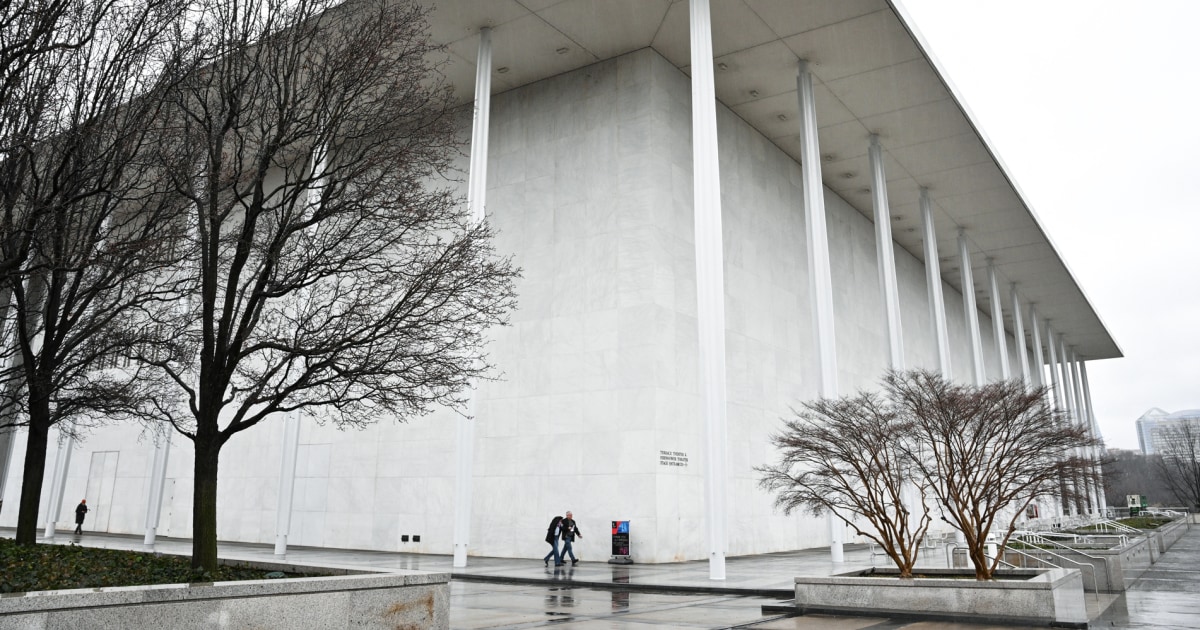
A Washington, D.C., judge has ordered the Kennedy Center to pay more than $250,000 in legal fees to jazz musician Chuck Redd, months after dismissing the arts center’s lawsuit over his canceled Christmas Eve performance in protest of President Donald Trump’s name being added to the building’s facade.
Superior Court Judge Tanya Jones Bosier ruled Monday that the Kennedy Center must pay Redd $252,479.70 for attorneys’ fees and other legal costs within 45 days. Bosier wrote that she had made a “good faith evaluation of records to exclude hours that are arguably duplicative, excessive, or unnecessary” before setting the amount.
The Kennedy Center said it intends to appeal.
Redd, a vibraphonist and drummer, had hosted the Kennedy Center’s annual Christmas Eve Jazz Jam for nearly 20 years, according to NPR. He was scheduled to lead the free concert on Dec. 24, 2025, but canceled on Dec. 19 after Trump’s name was placed on the facade of the arts complex.
The Kennedy Center sued Redd, accusing him of breaching a “morals clause” after he publicly explained why he had withdrawn. The center said he had chosen “to abuse the public forum provided to him by the Center in order to make a political statement, and to deprive the public of the concert he promised.” It also said his cancellation caused “damages from lost goodwill with the public, wasted marketing expenses, and sunk costs preparing for a concert that did not occur.”
The facility’s then-president, Richard Grenell, initially threatened to sue Redd for $1 million. The center later offered to settle for $7,500.
Redd argued that the concert was free, that he had not signed a contract to perform and that he canceled early enough for the Kennedy Center to find a replacement. He also said he was targeted because he spoke out on a matter of “public interest.”
Bosier dismissed the center’s breach of contract suit in June, granting Redd’s motion under the district’s anti-SLAPP statute, a law designed to protect public interest speech. NBC News reported that the judge found conditions of unlawful retaliation against Redd.
In that June decision, Bosier noted that Redd was one of several artists scheduled for a show that was ultimately canceled. The “Center did not lose any ticket sales as the concert was free, and the entire performance was canceled as a result of multiple artists canceling, so the Center did not incur costs for staff or other performers,” she wrote. She also noted that Redd, who appeared to be the only artist who spoke publicly about the name change, appeared to be the only one sued.
Redd’s attorney, Lisa J. Banks, said the “Trump-controlled Kennedy Center tried to silence opposition to its illegal name change by filing a meritless lawsuit” against him. She called the fee award appropriate, saying, “No citizen should have to spend time and money fending off baseless and politically motivated lawsuits filed by the Trump Administration.”
Trump’s name was removed from the Kennedy Center facade in June after a legal challenge. NPR reported that the removal followed a federal court ruling. NBC News reported that a board member successfully argued the addition was illegal.
NPR also reported that the Kennedy Center’s broader future remains uncertain, with most public programming and educational activities suspended. Trump had announced plans to close the complex as of July 5 for two years of renovations, but a federal judge has ordered the center’s administration to update the court on construction, programming and public access plans.




Be First to Comment