Key takeaways:
- Trump said a Strait of Hormuz deal could be announced Wednesday or Thursday, saying “a lot of progress has been made.”
- The proposal under discussion would route inbound ships near Iran and outbound ships near Oman, with differing reports on whether any service fees would apply.
- CBS News reported the U.S. has used nearly all of its global stockpile of ATACMS and Precision Strike Missiles during the war with Iran.
President Donald Trump said a deal to reopen the Strait of Hormuz could be announced within days, as Iran and Oman reported progress in talks over how to manage traffic through one of the world’s most important oil shipping routes.
“It could happen. Tomorrow or the next day,” Trump told reporters Tuesday evening in California when asked about a possible announcement. “A lot of progress has been made.” Al Jazeera reported that Trump also said negotiations with Iran were “moving along very nicely” and added, “We’ll know in 48 hours.”
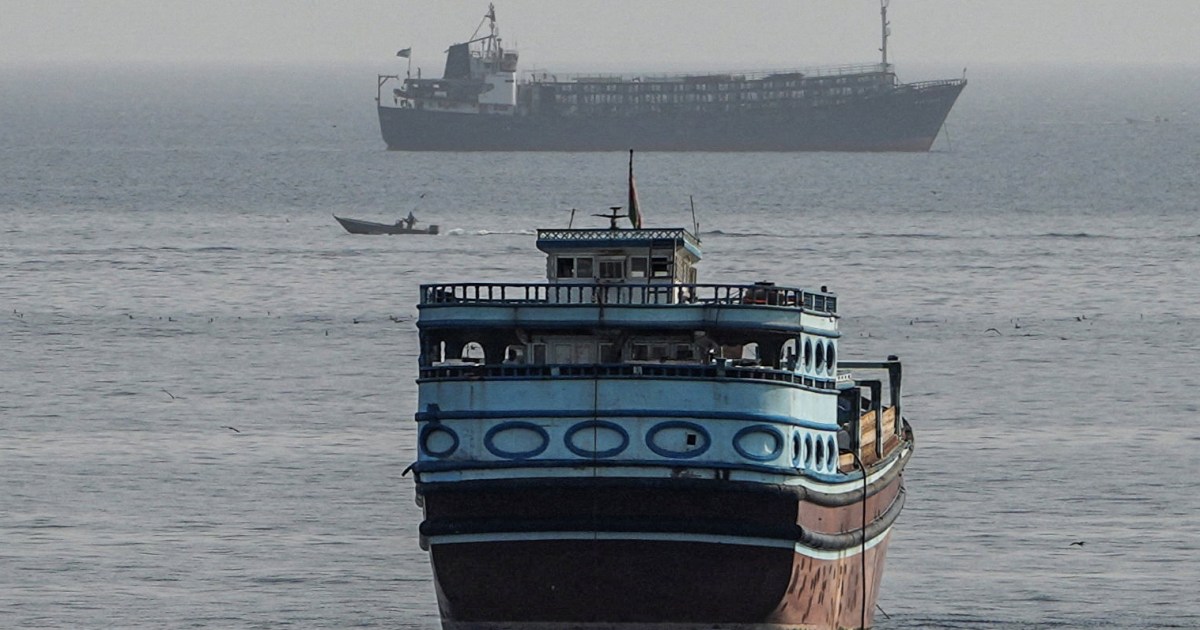
The negotiations are focused on restoring shipping through the strait, where commercial traffic has been heavily disrupted since the U.S. and Israel launched their war on Iran on Feb. 28. Al Jazeera reported that only eight vessels transited the strait on Monday, compared with roughly 130 ships a day before the war. The waterway had carried about one-fifth of the world’s oil supplies in peacetime.
Iran says it is not negotiating directly with Washington and that talks are taking place with Oman, which has long acted as a mediator and whose territorial waters also run through the strait. Iranian Foreign Ministry spokesman Esmaeil Baghaei told Iranian state broadcaster IRIB that the discussions have been positive.
“Iran is trying to formulate the necessary mechanisms for future arrangements for the management of shipping traffic in this strategic crossing, in cooperation with Oman, and the final results of these negotiations will be announced after the conclusion,” Baghaei said.
An Iranian source familiar with the talks told CBS News the discussions are largely focused on the mechanics of reopening the waterway. Under the proposal, ships entering the strait would use the channel closest to Iran, with Tehran coordinating inbound traffic, while vessels leaving would use the route closest to Oman, coordinated by Muscat.
The question of fees remains contested. CBS News reported, citing sources, that the Iranian-Omani proposal currently under negotiation would not include tolls or service fees for ships transiting the waterway, a key U.S. demand. CBS also reported that an earlier version of the proposal included a service fee with revenue split between Iran and Oman. The Associated Press, citing two regional officials, reported that service fees would be charged for security and environmental protection.
Trump has publicly rejected any tolls. “I’m not going to let them charge,” he said Monday. “Anybody’s going to charge, we’ll charge.”
If approved, the arrangement could bring the United States and Iran back to broader negotiations under a June memorandum of understanding, according to CBS News. That framework calls for 60 days of free transit through the strait. Al Jazeera reported that the interim deal is intended to restore a June 17 ceasefire, resolve shipping disputes and create space for wider talks on Iran’s nuclear program and other issues.
U.S. Central Command said Tuesday that “the southern route through the Strait of Hormuz remains free and open for all commercial vessels seeking to transit the international waterway,” adding that U.S. forces have helped more than 1,000 vessels move safely through the strait over the past three months.
Tensions also spread beyond Hormuz. Yemen’s Iran-backed Houthis said Wednesday they attacked the Saudi oil tanker Wafa off Yanbu in the Red Sea with ballistic missiles, calling it the eighth Saudi tanker targeted since the start of their blockade on July 22. Houthi spokesman Yahya Saree said the group would escalate attacks in the northern Red Sea because Saudi Arabia was diverting tankers there from the south.
CBS News also reported that the U.S. has used nearly all of its global stockpile of long-range precision missiles during the Iran war, citing two sources with direct knowledge. Chief Pentagon spokesperson Sean Parnell said the U.S. military “has everything it needs,” while Defense Secretary Pete Hegseth has dismissed stockpile concerns as “a manufactured story.”








Be First to Comment