Key takeaways:
- Trump said the United States had been prepared for what he called “the biggest attack since World War II” against Iran before pausing the operation.
- Trump said Saudi Arabia, the United Arab Emirates and Qatar urged him against strikes because they believed deals on the Strait of Hormuz and Iran’s nuclear program were possible.
- Oil prices fell Monday morning in Asia trading, with Brent crude down 4.5% at $83.98 and U.S.-traded oil down 4.6% at $80.74.
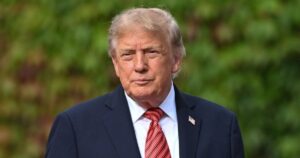
President Donald Trump said new negotiations with Iran will begin Monday after he called off planned U.S. strikes that he described as potentially the largest attack since World War II.
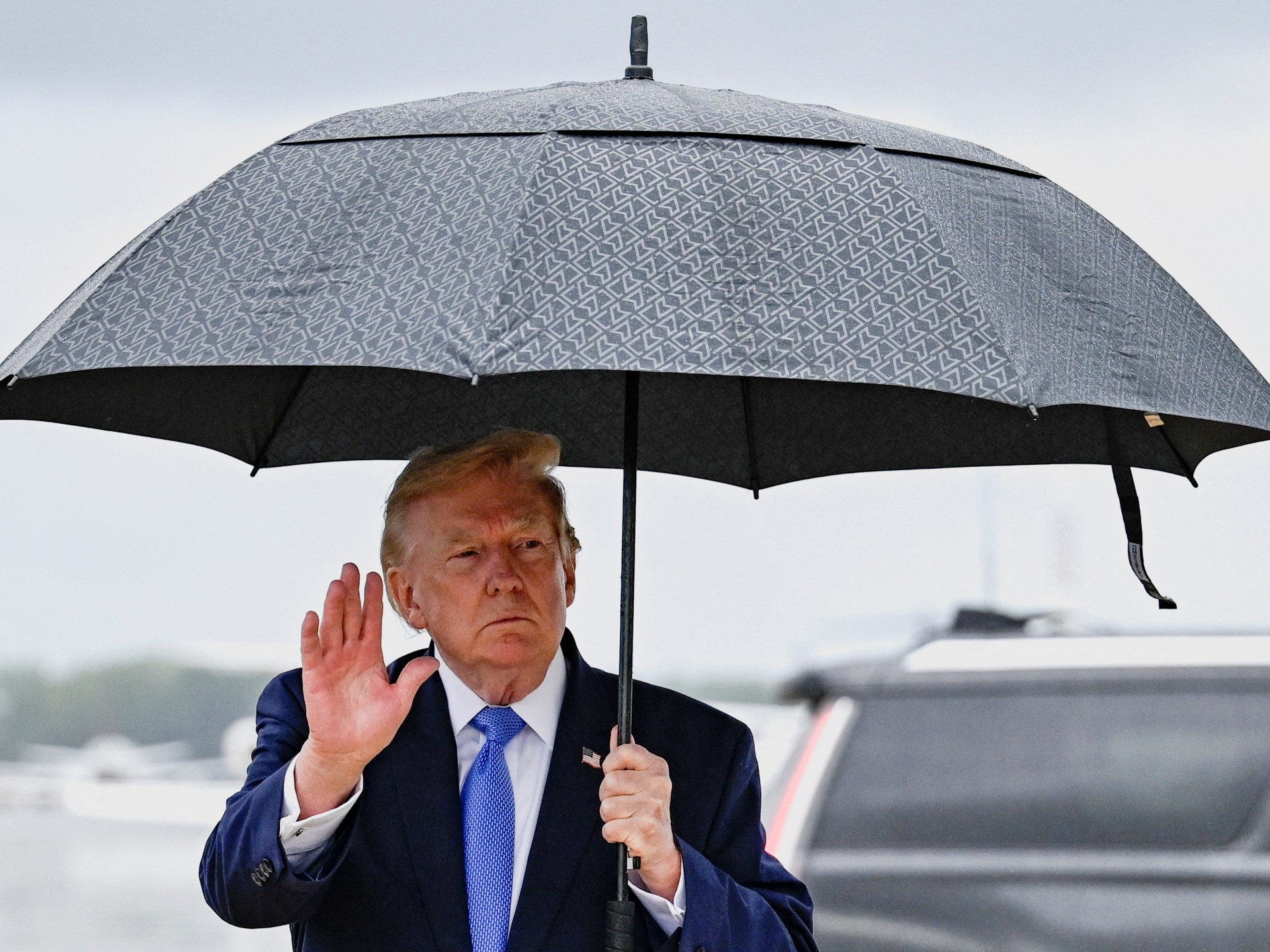
Speaking to reporters aboard Air Force One on Sunday, Trump said Washington had been prepared to attack Iran but paused the operation after Tehran and U.S. partners in the Gulf urged him to give diplomacy another chance.
“Obviously, they don’t want to be attacked. They knew the extent of the attack because they saw it forming,” Trump said. “Now what we’re doing is talking to them in the form of a negotiation. It begins tomorrow afternoon.”
Trump did not identify the location of the talks or who would take part. He also declined to set a deadline for an agreement. “We’ll just see how it is. We’re ready to go anytime we want,” he said, adding, “I’m not looking to kill people.”
The president said Saturday that the United States was “locked and loaded” for military action but that the “perimeters” of a deal were in place. On Sunday, he said Saudi Arabia, the United Arab Emirates and Qatar had urged him not to proceed with the strikes because they believed an agreement was possible.
“When the allies asked to call it off, you’ve got to sort of say, ‘Well, let’s see,’” Trump said. “And the reason they ask is they think there’s a deal.”
He said a deal on the Strait of Hormuz would come first, followed by an agreement on Iran’s nuclear program. “There’s a deal on Hormuz, and then there will be a deal on the nuclear, or you might call it the denuclearisation of Iran,” he said.
Trump also said Saudi Crown Prince Mohammed bin Salman had warned against the strikes because of possible unintended consequences. “I mean, will they be flooded with people pouring into their country and disaster? A lot of bad things can happen,” Trump said.
Iran has not formally responded to Trump’s announcement of new talks, the BBC reported. Iran’s semi-official Mehr news agency denied that Tehran had asked Washington to hold off on further military action, calling Trump’s claim “nothing but a new lie.”
On Sunday, Iranian Foreign Minister Abbas Araghchi said negotiations with Oman over the Strait of Hormuz were in their final stages, according to Iranian media. Iran’s official IRNA news agency reported that the talks were “on track for finalisation.” Iranian Foreign Ministry spokesperson Esmaeil Baghaei said the negotiations concerned agreement on a new route through the strait and had “no link to the Strait of Hormuz being opened or closed. That is a separate discussion.”
Araghchi also held a second phone call with Saudi Foreign Minister Prince Faisal bin Farhan Al Saud, joined by Pakistani Army Commander Asim Munir, to discuss diplomatic efforts. In a Telegram post, Araghchi said the officials exchanged views on the current situation and on “initiatives aimed at maintaining and strengthening security and stability” in West Asia. He said they emphasized regional cooperation and political solutions.
The conflict began on Feb. 28, and energy markets have been sensitive to disruptions through the Strait of Hormuz, a route used for about 20% of the world’s crude oil and liquefied natural gas. Oil prices fell Monday morning in Asia trading after Trump’s comments, with Brent crude down 4.5% at $83.98 and U.S.-traded oil down 4.6% at $80.74.
A previous ceasefire deal that included reopening the Strait of Hormuz fell through, Al Jazeera reported. Iran has since tightened control over the waterway as attacks resumed in recent weeks.
Iran’s acting Defence Minister Majid Ibn al-Reza said earlier that Tehran views every threat from its adversaries as “real and credible,” even when it is part of psychological warfare. “We will neither be caught off guard nor remain passive,” he said.






Be First to Comment