Key takeaways:
- Bavi weakened from a typhoon to a tropical storm after landfall in Zhejiang province and moved into Anhui on Sunday.
- State media said more than 2.2 million people were evacuated in Zhejiang, with additional evacuations in Shanghai and Fujian.
- The storm toppled more than 1,300 trees in Yueqing and disrupted hundreds of flights and more than 1,600 trains in Shanghai.
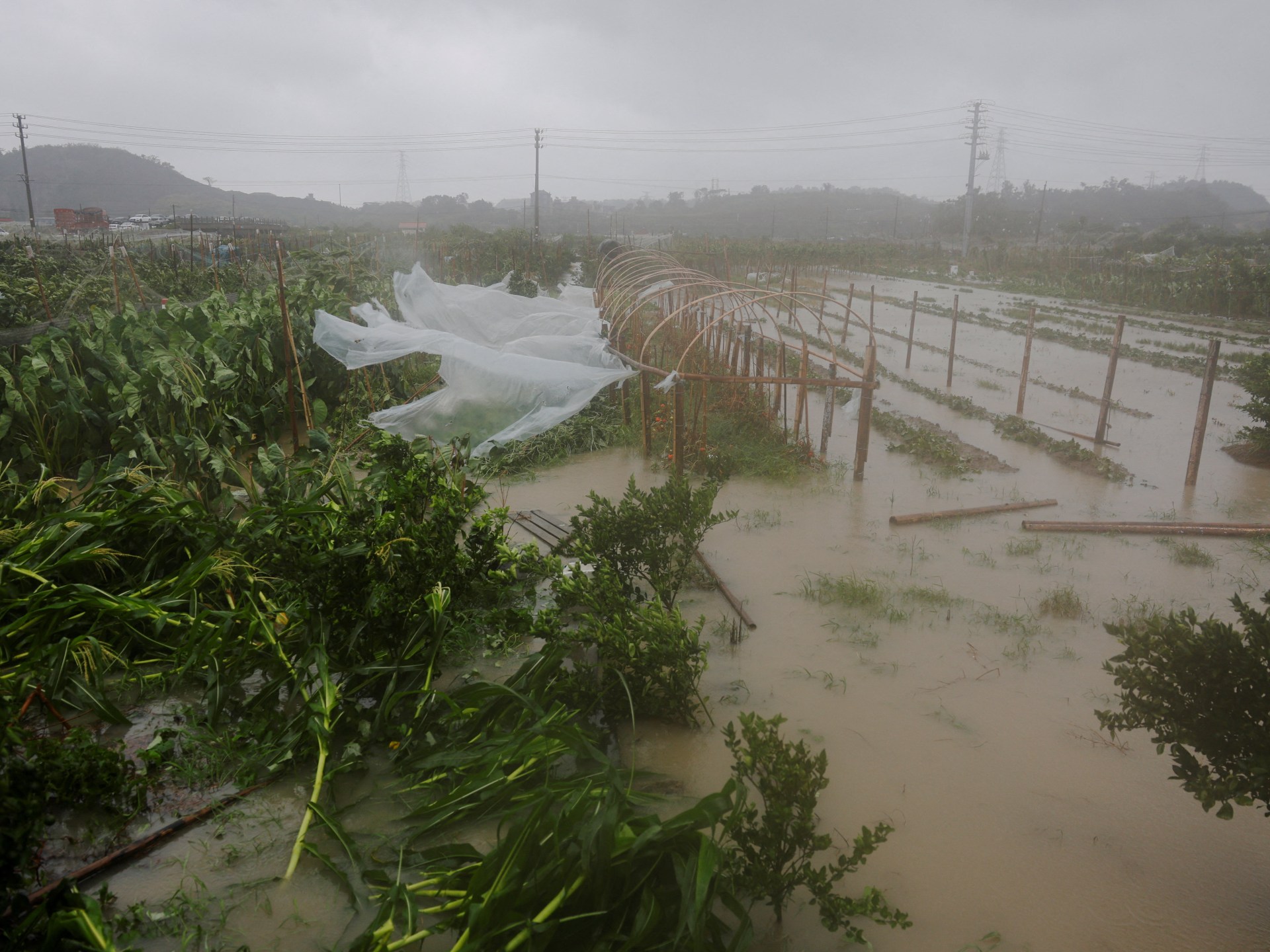
Tropical Storm Bavi pushed inland across eastern China on Sunday after striking Zhejiang province as the strongest storm to hit China this year, toppling trees, flooding streets and forcing large-scale evacuations as forecasters warned that heavy rain and strong winds would continue for days.
The storm weakened from a typhoon hours after landfall and continued losing strength as it moved northwest into Anhui province, China’s National Meteorological Center said. Even so, the agency warned that eastern and northeastern Chinese cities could face heavy to torrential rain and powerful winds on Sunday and Monday. Heavy to torrential rain had already been recorded Sunday afternoon in provinces including Anhui.
Bavi reached the coastal city of Yuhuan in Zhejiang province shortly before midnight Saturday, then made another landfall in Yueqing, a densely populated city in Wenzhou district, Al Jazeera reported. The storm brought winds of 101 kph, or 63 mph, early Sunday, according to the National Meteorological Center.
“We could hear roof tiles and tree branches falling,” Yueqing resident Li Liangxing told Reuters, saying a walkway beside his compound had disappeared under water.
In Yueqing, more than 1,300 trees were felled, including at least 700 uprooted, state broadcaster CCTV reported. Al Jazeera reported that floodwaters rose to about half the height of a car tyre and that emergency crews used chainsaws and excavators to clear waterlogged streets covered with fallen trees.
Authorities carried out major evacuations ahead of the storm. State media said more than 2.2 million people were evacuated in Zhejiang province, CBS News reported. Shanghai evacuated more than 290,000 people from at-risk areas, while Fujian province evacuated more than 180,000. Al Jazeera reported that authorities had evacuated nearly two million people as the storm slammed into eastern China.
The storm also disrupted transportation across the region. Shanghai’s Pudong International Airport and Hongqiao International Airport were expected to cancel about 653 inbound and outbound flights because of Bavi, the official Xinhua News Agency said, according to CBS News. Al Jazeera, citing the state-backed outlet The Paper, reported that 684 flights and more than 1,600 trains were canceled in Shanghai. In Hangzhou, Zhejiang’s capital, two major railway stations suspended all services, and 327 flights were canceled at Xiaoshan International Airport.
By Sunday afternoon, Bavi had crossed into Anhui province, northwest of Zhejiang, and was expected to move northeast toward the Yellow Sea by Tuesday, the National Meteorological Center said.
Before reaching China, Bavi passed north of Taiwan on Saturday without making direct landfall. Taiwan’s fire department said at least 134 people were injured across the island, including some hurt while riding motorcycles or bicycles in strong winds or on slippery roads.
Bavi had earlier made landfall Monday over a small U.S. island territory in the western Pacific near Guam as a “super typhoon,” according to the National Weather Service. It brought extremely strong winds and torrential rain to the Northern Mariana Islands, which were still recovering from another powerful super typhoon that hit the region in the spring.
The storm remains large despite weakening. CBS News, citing the BBC, reported that Bavi spans about 620 miles at its widest point. Al Jazeera described it as roughly the size of France. Forecasters said the amount of moisture carried by the system would continue to pose risks along its path.





Be First to Comment