Key takeaways:
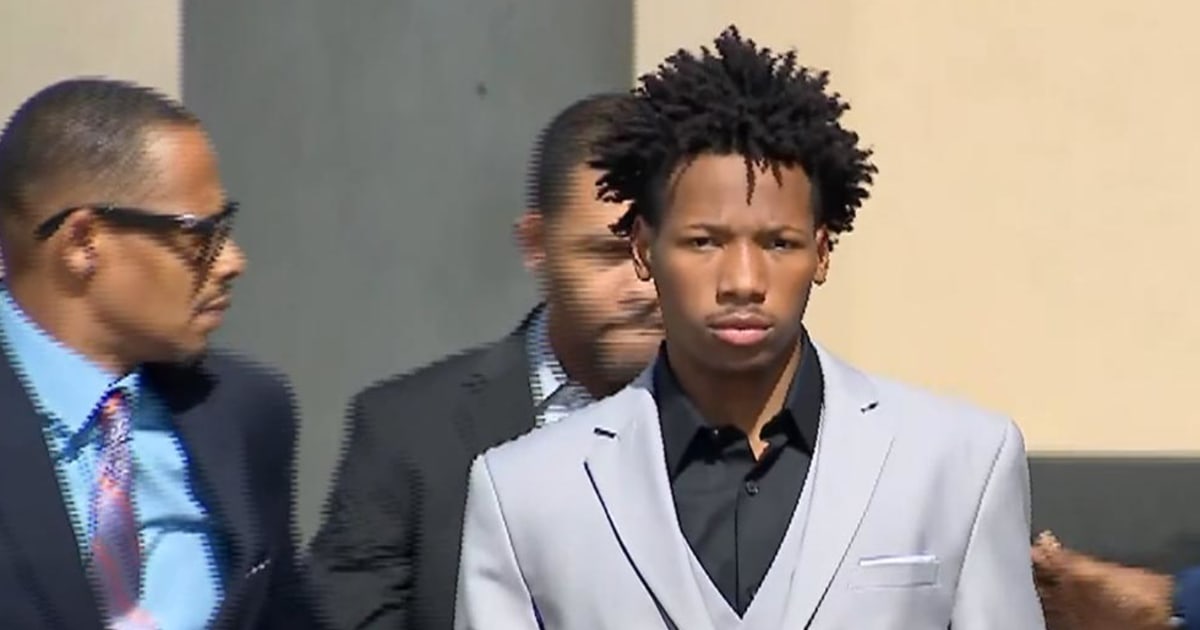
- Karmelo Anthony, 19, was convicted of murdering Austin Metcalf and sentenced to 35 years in prison after a fatal stabbing at a Frisco, Texas, track meet in 2025.
- Anthony’s attorneys argue his rights were violated by limits on public access, a disputed evidence agreement and jury instructions on self-defense.
- The defense is also seeking Judge John Roach’s recusal, citing post-trial interviews and a public letter in which they say he appeared to defend the verdict and proceedings.
Attorneys for Karmelo Anthony asked a Texas court Tuesday to overturn his murder conviction and grant a new trial, arguing that the 19-year-old former student-athlete was denied key rights before a jury sentenced him to 35 years in prison in the fatal stabbing of Austin Metcalf at a high school track meet.
Anthony was convicted last month in the killing of Metcalf, 17, during a districtwide meet in Frisco, a Dallas-area suburb, on April 2, 2025. Both teenagers were 17 at the time. Anthony, who is Black, attended Centennial High School; Metcalf, who was white, attended Memorial High School.
Anthony admitted to stabbing Metcalf, but his trial lawyers argued he acted in self-defense after sitting under Memorial High School’s tent in the bleachers and being confronted by members of the rival track team who told him to leave. Prosecutors disputed that account, saying Anthony threatened Metcalf.
In their motion for a new trial, Anthony’s new attorneys said the court restricted public access to the proceedings, violating his constitutional right to a public trial. They also argued the jury was improperly advised to disregard Anthony’s self-defense claim. “On a record in which self-defense was the heart of the case, that error was not harmless, and it requires a new trial,” the lawyers wrote, according to The Guardian.
The defense also accused prosecutors of backing away from an unwritten agreement not to introduce character or “extraneous-offense” evidence about either teenager. The lawyers said both sides had agreed, after off-the-record calls, to focus only on “what happened under the tent that day” and to avoid references to alleged prior conduct so that such material would not become the subject of media coverage.
Anthony’s attorneys said they relied on that understanding and did not further question students about recorded statements to police regarding Metcalf’s alleged temperament. But on the final day of evidence, they said, prosecutors argued that a reference in the defense opening statement to Anthony playing chess had “opened the door” to character-related evidence.
The defense said that change effectively prevented Anthony from testifying. His attorneys wrote that the court told him his testimony would “almost certainly open” the door to the disputed extraneous-offense evidence. They also criticized the pace of the trial, including a Saturday court session when several defense witnesses were unavailable.
“When the moment came for the Defendant to make the most consequential decision of the trial, whether to waive his Fifth Amendment privilege and testify, the Court allotted the defense ten minutes to counsel a nineteen-year-old through it and denied counsel’s request for additional time,” the attorneys wrote.
In a separate filing, the defense asked that state District Court Judge John Roach be removed from the case. The lawyers cited an interview Roach gave to Dallas television station WFAA after the trial, saying he expressed personal views about the verdict, the fairness of the proceedings and his own rulings.
According to Anthony’s attorneys, Roach agreed with the jury’s verdict, saying, “whatever they say… they get it right.” They said he also described Anthony as “a nice young man” who “understands today… the consequences of committing a crime like… he did.”
The filing said Roach defended the jury selection process, which resulted in no Black jurors, and defended his ruling on media access in a statement to Fox News. The defense also cited a signed public letter Roach posted on Collin County’s website calling his work on the trial “one of the great honors of my judicial career.”
“A judge who publicly memorializes the trial as concluded, and publicly pronounces the process fair, while still holding the authority to grant a new trial, signals to the reasonable observer that he regards the matter as closed,” the attorneys wrote.
The Collin County district attorney’s office did not respond to The Guardian’s request for comment Tuesday evening. After the verdict, the district attorney said at a news conference with Metcalf’s family that “justice was served.”
The case drew national attention and intense online debate over race. The Guardian reported that far-right influencer Jake Lang and his group, Protect White Americans, staged protests in Frisco and that Lang was later banned from entering Texas after allegedly making a terroristic threat against Anthony. During jury selection, three African American prospective jurors were struck; prosecutors denied race was the reason and said the strikes were related to their backgrounds as educators.
Anthony is now represented pro bono by a team that includes former Dallas County prosecutor Russell Wilson, criminal defense attorney Michael Ware, Texas NAACP president Gary Bledsoe, Brooke Cluse of Ben Crump Law, Sean Daredia and Justin A. Moore.



Be First to Comment