Key takeaways:
- U.S. Central Command said American fighter jets struck 10 Iranian military targets after an attack on a Panama-flagged vessel near the Strait of Hormuz.
- Iran’s Revolutionary Guard said it launched missiles and drones at U.S. military infrastructure in Kuwait and Bahrain, including the U.S. Fifth Fleet headquarters in Bahrain, according to Al Jazeera.
- Bahrain reported damage to a residential building with no loss of life, while Kuwait said it intercepted two ballistic missiles and reported no damage.
President Donald Trump warned that the United States could return to full-scale military action against Iran after another round of U.S. strikes and Iranian attacks on Gulf states pushed a fragile ceasefire closer to collapse.
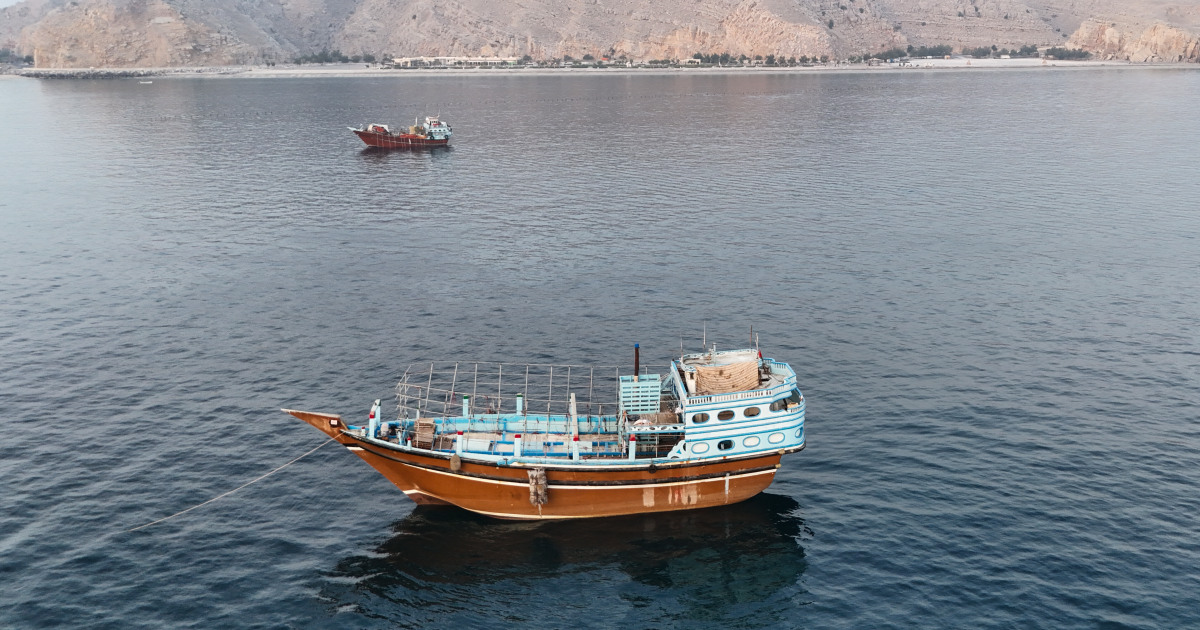
U.S. Central Command said Saturday that American fighter jets struck 10 Iranian military targets at multiple locations in response to what it called “continued aggression” against commercial shipping in the Strait of Hormuz. Al Jazeera reported that the United States bombed Iran for a second straight day, striking Sirik, Bandar-e Lengeh and Qeshm Island after a drone attack on a commercial vessel near the strait.
“United States aircraft just struck Iranian missile and drone storage locations, and coastal radar sites, for violating the Cease Fire Agreement, AGAIN!” Trump posted Saturday on Truth Social. “It is very possible that they will never learn! There may come a point when we are no longer able to be reasonable, and will be forced to militarily complete the job that we very successfully started. If that happens, the Islamic Republic of Iran will no longer exist!”
CENTCOM said Iran had been “given a chance to honor the ceasefire agreement but elected not to when its forces launched a one-way attack drone,” referring to an attack Saturday on a Panama-flagged vessel.
Iran’s Islamic Revolutionary Guard Corps said it launched missiles and drones at U.S. military infrastructure in Kuwait and Bahrain. Al Jazeera reported that the IRGC identified the targets as Ali Al Salem Air Base in Kuwait and the U.S. Fifth Fleet headquarters in Bahrain, saying the strikes came in response to U.S. attacks on five coastal locations in Iran.
American bases “will experience hell in these coming days,” the IRGC Navy command said, according to Iran’s semi-official Fars news agency.
Bahrain, which hosts the U.S. Navy’s 5th Fleet, said Sunday that a residential building was damaged in the overnight attacks but that there was “no loss of life.” Its Foreign Ministry condemned the strikes and said the country had the right to defend itself. “This dangerous escalation reveals that Tehran’s actions are not isolated incidents or random acts, but rather a deliberate and systematic pattern of repeated aggression against the Kingdom’s sovereignty and the security of its citizens and resident,” the ministry said on X.
Kuwait’s army said its air defenses countered Iranian missile and drone attacks and intercepted two ballistic missiles, with no damage reported. Al Jazeera reported that Bahrain sounded air raid sirens and urged people to head to the nearest safe place, while Kuwait said it was responding to “hostile missile and drone threats.” A U.S. official told Reuters there were no reported U.S. casualties or major damage so far.
The exchanges began with a dispute over shipping in the Strait of Hormuz. Iran had committed to reopening the waterway, but has insisted that vessels follow a specified route close to its coastline. Many ships have instead used waters off the United Arab Emirates and Oman. After Iranian threats against vessels using the alternative route, a Singapore-flagged ship was attacked Thursday, prompting U.S. strikes on Iranian military targets and subsequent Iranian retaliation.
The U.S.-Iran memorandum of understanding signed less than two weeks ago says the Strait of Hormuz, through which about 20% of the world’s oil passed before the war, will reopen and that Iran will “make arrangements” for safe commercial passage without charge for 60 days. Both sides have accused the other of violating the deal.
“If they have disagreements about how the MOU is being applied, they can pick up the phone. But violence will be met with violence,” Vice President JD Vance wrote Friday on X.
IRGC spokesman Hossein Mohebi said Sunday that “every time the enemy violates the ceasefire, it will receive a harsher response than before,” according to Iran’s hard-line Student News Network. The IRGC also said it would respond more forcefully to vessels it says violated its approved route.
Gulf states including Qatar, Jordan, Oman, Kuwait and the United Arab Emirates condemned Iran’s latest attacks and called for restraint. Qatar’s Foreign Ministry said it “emphasizes the necessity of sparing the region the consequences of these unjustified attacks, continuing on the path of dialogue and diplomacy.”
The widening conflict also touched Israel and Lebanon. Al Jazeera reported that Israel carried out new attacks on southern Lebanon, killing at least one person, a day after a U.S.-mediated framework agreement with Lebanon aimed at ending the fighting. Israeli Prime Minister Benjamin Netanyahu called the deal a “historic accomplishment” and “a massive blow to Iran and Hezbollah,” while National Security Minister Itamar Ben-Gvir called it a “historic mistake.” Lebanon’s presidency said Trump congratulated President Joseph Aoun after the signing ceremony and pledged U.S. support for Lebanon’s economy and armed forces. Hezbollah rejected the deal as “null and void.”







Be First to Comment