Key takeaways:
- The emergency decree gives Bolivia’s armed forces temporary authority to support police in reopening roads and clearing blockades.
- Protests that began over a land reform proposal have expanded to include anger over austerity measures, fuel subsidy cuts, constitutional changes and demands for Paz to resign.
- Authorities reported 365 arrests and 37 injuries, while Al Jazeera said at least 17 deaths were linked mostly to medical-care disruptions caused by transport blockades.
Bolivian President Rodrigo Paz has declared a state of emergency after weeks of antigovernment blockades cut off key roads, disrupted food and fuel supplies and brought large parts of the country to a standstill.
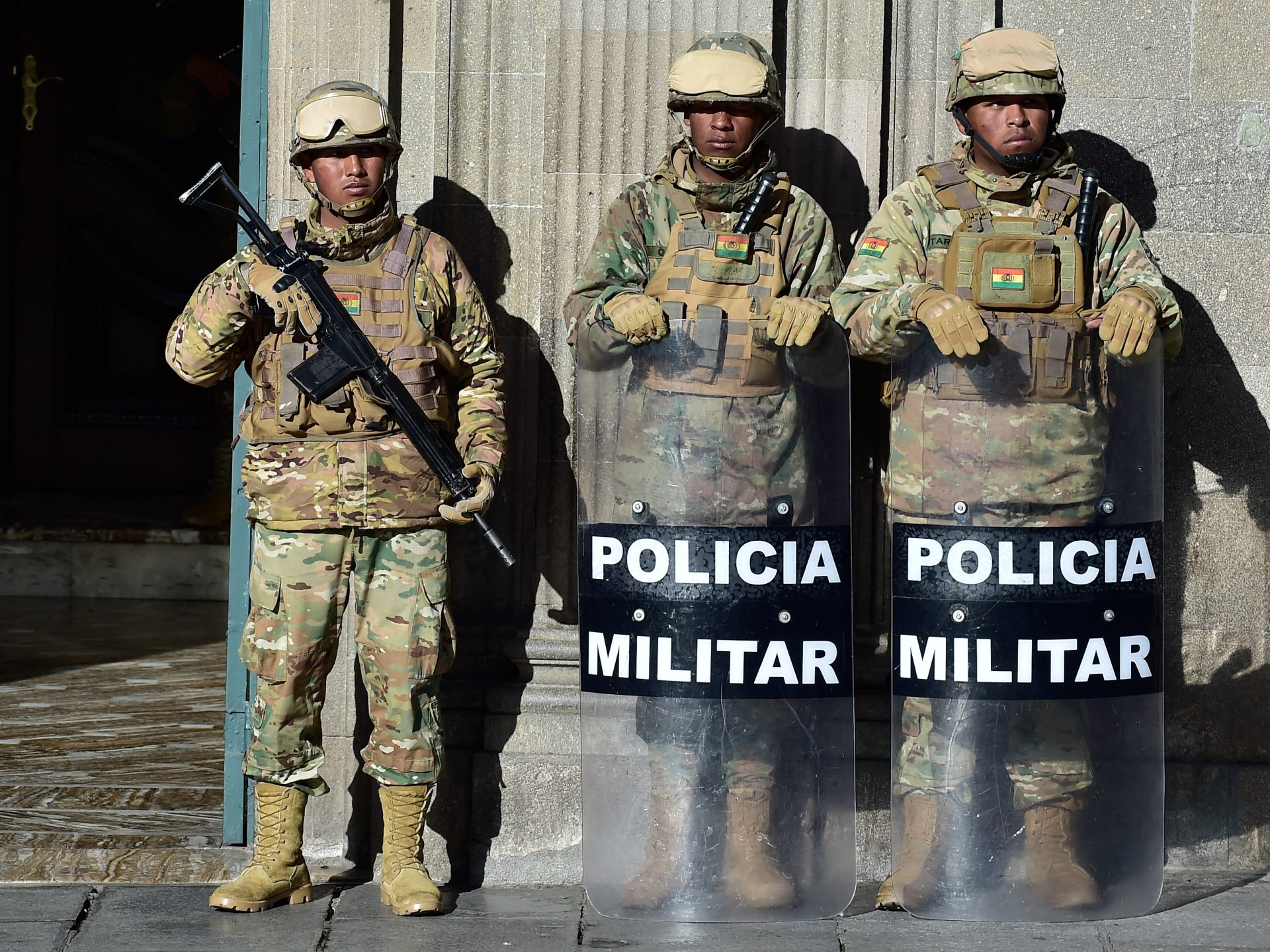
The decree gives the military authority to help police clear barricades from streets, avenues, roads and highways that have impeded transport and supplies. Paz said the measure was needed to reopen the country and ensure fuel deliveries after tanker trucks were left stranded by roadblocks.
“This is not a state of emergency to restrict people’s lives. It is a state of emergency to give people back their freedom,” Paz said in a televised address early Saturday, according to Al Jazeera. In a separate statement, he said the state of emergency would “free the country’s roads” and “restore” normalcy.
The BBC reported that Bolivia’s Congress must approve or reject the measure within 72 hours of the declaration. Al Jazeera, citing a government statement, reported that the decree will last 90 days but could be lifted earlier if “violence and threats against the population come to an end.”
The protests began at the end of April after Paz proposed a land reform that critics said would make it easier for large landowners to buy up small properties. Paz has since withdrawn the proposal, but the unrest has expanded. Miners, farmers, Indigenous groups and rural workers have joined demonstrations over austerity measures, the elimination of long-standing fuel subsidies, proposed constitutional changes and demands that Paz resign.
Barricades on major routes have effectively isolated La Paz, Bolivia’s administrative capital, Al Jazeera reported. Businesses have closed, supermarket shelves have emptied and hospitals have run short of oxygen. Authorities said violent confrontations between demonstrators and riot police have led to 365 arrests and 37 injuries, according to Al Jazeera. The BBC reported that several people have died and hundreds have been arrested. Al Jazeera said at least 17 people have died, most linked to a lack of medical care caused by transport disruptions, citing Bolivia’s ombudsman’s office and human rights groups.
Paz has cast the unrest as an organized attempt to destabilize the country rather than a social protest. “Bolivians cannot continue to be hostages of blockades that prevent working, studying, receiving medical attention, supplying themselves, and bringing sustenance to their homes,” he wrote in a social media post Saturday.
The president has accused left-wing former President Evo Morales of orchestrating the protests, an allegation Morales denies. Paz, a center-right politician elected last October who took office in November, has said proposed constitutional changes are needed to open the economy to private investment. Demonstrators argue the changes would weaken oversight of natural resources and other key areas of the economy.
Paz has tried to calm the unrest by reshuffling his cabinet, cutting his own salary and ministers’ salaries in half, and announcing a council to negotiate with sectors that feel isolated under his government. On Friday night, he signed an agreement with one of the labor unions whose leaders called for lifting the blockades. The BBC reported that the deal was with the Bolivian Workers’ Confederation.
But some Indigenous groups and other protesters have said they will continue. AFP reported, according to the BBC, that roadblocks remained in place, and journalists saw police and military personnel in main squares Saturday.
Last month, Congress passed a bill making it easier for the president to declare a state of emergency and deploy soldiers to quell protests.




Be First to Comment