Key takeaways:
- Trump said Iran shot down a U.S. AH-64 Apache near the Strait of Hormuz and vowed that the United States would respond.
- U.S. Central Command said two soldiers were rescued within about two hours and were in stable condition after the helicopter went down near Oman.
- CBS News reported the rescue used a U.S. Navy Corsair unmanned surface vessel and was the first such rescue operation by the U.S. military.
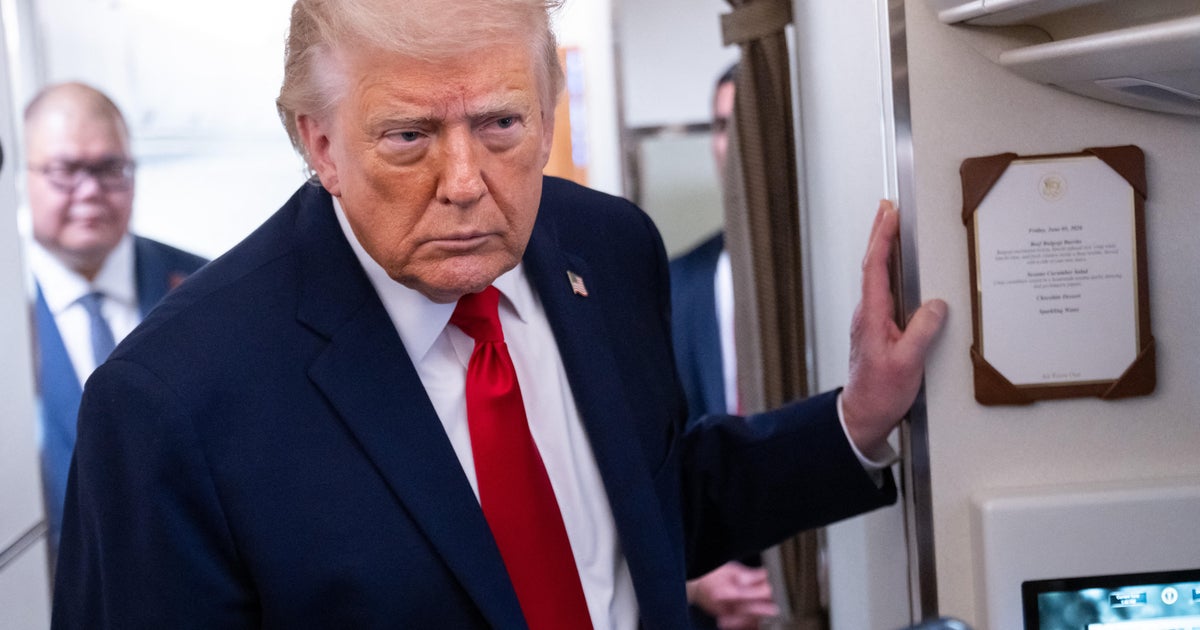
President Donald Trump accused Iran on Tuesday of shooting down a U.S. Army Apache helicopter near the Strait of Hormuz and said Washington “must” respond, sharply raising tensions as U.S. officials investigate the crash and as negotiations with Tehran hang in the balance.
“I have just been informed by our Great Military that last night the Iranians shot down one of our highly sophisticated Apache Helicopters while patrolling over the Strait of Hormuz,” Trump wrote on Truth Social. “There were two pilots involved, both are safe and uninjured. Nevertheless, the United States must, of necessity, respond to this attack.”
U.S. Central Command said earlier that two soldiers were rescued within about two hours after their AH-64 Apache went down near the coast of Oman while patrolling regional waters. The command said they were in stable condition and that the cause of the incident was under investigation.
U.S. officials told the BBC that the two crew members were rescued by an American sea drone. A Central Command spokesman said the uncrewed surface vessel was operated by Task Force 59, a Bahrain-based unit focused on deploying unmanned systems alongside manned operators to strengthen maritime security in the Middle East. Rescue efforts were led by U.S. Naval Forces Central Command and the 82nd Airborne Division, with support from U.S. Air Force and Navy units, including the U.S. 5th Fleet’s Task Force 59.
CBS News, citing U.S. military officials, reported that the vessel was a U.S. Navy Corsair unmanned surface vessel and that the operation was the first such rescue by the U.S. military. The drone transported the soldiers to another location on the water, where they were hoisted to a helicopter for further transport, CBS reported.
Iranian forces have not publicly claimed responsibility for downing the helicopter, Al Jazeera reported. Minutes before Trump’s post, Iran’s top negotiator, Mohammad Baqer Qalibaf, wrote on social media: “We prefer the language of diplomacy, but we speak other languages far more fluently. Break your commitments, and we’ll switch to what we speak best.” He added: “You ride the horse you saddled!”
The helicopter crash comes a day after Trump said negotiations with Iran were in their “final throes” and that a deal could be possible in “two or three days.” It was not immediately clear how the incident would affect those talks or what form any U.S. response might take.
The episode also follows a series of regional flare-ups. Al Jazeera reported that the latest threat risks rupturing an April 8 truce that paused the U.S.-Israeli war against Iran, though the agreement had already been strained by repeated skirmishes. The outlet also reported that the U.S. military said it disabled an Iranian oil tanker in the Gulf on Monday.
Fighting has continued elsewhere in the region. CBS News reported that Israel has maintained military operations against Iran-backed Hezbollah in Lebanon, and Lebanon’s health ministry said at least eight people were killed Tuesday in Israeli strikes on the southern city of Tyre. Iran had warned Monday that it would retaliate for any new Israeli attacks in Lebanon.
U.N. Secretary-General Antonio Guterres said he was “deeply alarmed by the renewed escalation in the Middle East” and called for attacks to stop immediately. “There is no military solution to the conflicts in the Middle East,” he wrote. “The only way forward is through dialogue & negotiations.”






Be First to Comment