Key takeaways:
- Pam Bondi acknowledged redaction errors in the Justice Department’s release of Epstein-related documents but stated the department produced all materials required under the Epstein Files Transparency Act.
- Approximately 3 million pages of documents were released, representing about half of the DOJ’s files, with the remainder withheld to protect survivors and ongoing investigations.
- Bondi refused to answer questions related to former President Trump during her closed-door testimony, with DOJ counsel present to assist and intervene as needed.
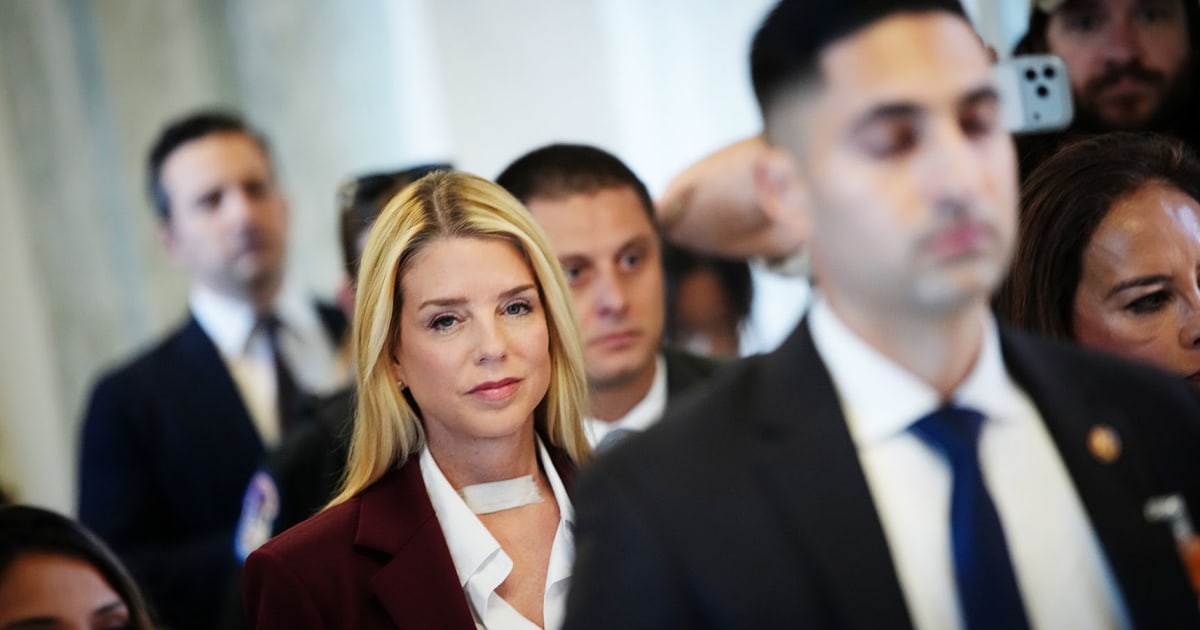
Former Attorney General Pam Bondi testified behind closed doors before the House Oversight Committee on Friday about the Justice Department’s handling of records related to Jeffrey Epstein. Bondi acknowledged that “there were redaction errors” in the release of the documents but defended the department’s efforts, stating, “To the best of my knowledge, the Department produced everything required under the Epstein Files Transparency Act.” She described the release of some 3 million files as “an enormously complicated and labor-intensive process” and expressed pride in the department’s commitment to transparency during her tenure.
Bondi, who was fired by President Trump in April, said she delegated oversight of the review process to then-Deputy Attorney General Todd Blanche, now acting attorney general. She told lawmakers that the only materials withheld were “either non-responsive, privileged, or duplicative.” Bondi emphasized that the department has been committed to accountability and transparency since the start and stands ready to pursue any criminal evidence related to Epstein and his associates.
In July 2025, the Justice Department published an unsigned memo stating there was no evidence of a client list or blackmail by Epstein and concluding his death was a suicide. This memo sparked bipartisan outrage and intensified calls for transparency, including from some Trump supporters. Bondi had earlier claimed in February 2025 that a client list was “sitting on my desk right now,” a claim that was never substantiated.
House Oversight Committee Chairman Rep. James Comer, R-Ky., said before the interview that the government has “failed” Epstein survivors and that the committee is taking the investigation seriously. Comer said he planned to ask Bondi about what documents remain and why they have not been turned over, expressing a desire for “every document” to be released. Survivors gathered outside the hearing urged the committee to seek answers about why survivors’ identities were exposed in the files while the names of alleged perpetrators were redacted.
Democrats on the committee criticized the decision not to videotape Bondi’s interview and said she refused to answer questions related to former President Trump. Rep. Robert Garcia, D-Calif., said DOJ counsel present during the testimony intervened to prevent Bondi from responding to Trump-related questions. The Justice Department stated that agency counsel were present to assist the committee in understanding the department’s role in implementing the Epstein Files Transparency Act and to ensure an accurate record.
Bondi’s testimony follows a series of high-profile interviews conducted by the committee with figures connected to Epstein, including former President Bill Clinton, former Secretary of State Hillary Clinton, and Epstein’s associates. All denied knowledge of Epstein’s crimes. The Epstein Files Transparency Act mandated the release of DOJ records related to Epstein and Ghislaine Maxwell within 30 days, a deadline the department missed. Approximately half of the department’s files were released, with the remainder withheld to protect survivors’ privacy and ongoing investigations.
Bondi recently revealed that she is undergoing treatment for thyroid cancer, diagnosed after leaving the Justice Department.









Be First to Comment