Key takeaways:
- SpaceX's Starship V3 features new Raptor 3 engines and design upgrades, generating about 18 million pounds of thrust.
- The test flight will deploy 22 Starlink satellite simulators and test in-space engine relighting and re-entry maneuvers.
- NASA plans to use Starship as a lunar lander for its Artemis program, aiming for a crewed moon landing by 2028.
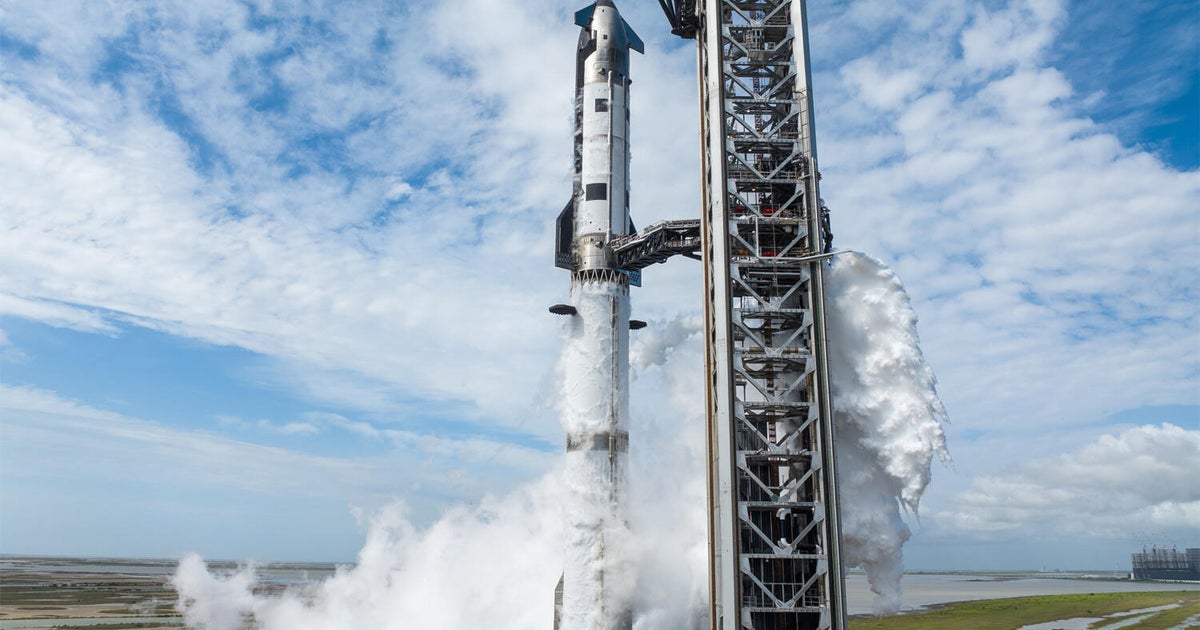
SpaceX is set to launch the upgraded version 3 of its Starship rocket on Thursday from its Starbase facility in Texas, marking a critical step toward NASA’s goal of returning astronauts to the moon by 2028. The 12th integrated test flight of the Super Heavy-Starship system will lift off at 6:30 p.m. ET, weather permitting, from a new, reinforced launch pad designed to support the more powerful rocket.
This flight is the first for the significantly redesigned Starship V3, which stands 408 feet tall and features multiple enhancements including new Raptor 3 engines on both the Super Heavy booster and the Starship upper stage. Together, these engines generate approximately 18 million pounds of thrust, roughly double the power of NASA’s Space Launch System. The booster has also been modified with fewer grid fins and an increased propellant tank volume on the upper stage.
SpaceX plans to use the 33 methane-fueled Raptor engines on the Super Heavy booster to propel the Starship out of Earth’s atmosphere. After stage separation, the booster will perform a controlled splashdown in the Gulf of Mexico rather than attempting a return-to-launch-site catch, a decision made due to the flight being the maiden voyage of the version 3 booster. The Starship upper stage will then continue on a suborbital trajectory, deploying 22 Starlink satellite simulators before re-entering and splashing down in the Indian Ocean about 65 minutes after liftoff.
The mission will also test critical in-space capabilities, including relighting one of the upper stage’s six Raptor engines to simulate deorbit burns and executing a dynamic banking maneuver to stress the spacecraft’s rear flight control flaps. Approximately 50 onboard cameras will capture the flight, transmitting imagery via SpaceX’s Starlink satellite network.
NASA is closely monitoring this flight as part of its Artemis program, which aims to use a human-rated Starship variant as a lunar lander. The agency plans to test rendezvous and docking procedures in low-Earth orbit during the Artemis III mission next year, potentially using Starship and Blue Origin’s lander. The ultimate goal is to land astronauts on the moon’s south pole by Artemis IV in 2028.
However, significant technical challenges remain. The Starship lander must be refueled in Earth orbit by multiple tanker flights before heading to the moon, a complex process involving the transfer of cryogenic propellants in space that has never been attempted on this scale. Additionally, the lunar landing will require fully automated descent and landing on difficult terrain, followed by astronauts transferring via an external elevator from the Starship to the lunar surface.
SpaceX’s contract with NASA requires an unpiloted moon landing mission before astronauts can be onboarded. Despite mixed results from previous test flights, SpaceX has incorporated lessons learned into the version 3 design, aiming for full and rapid reuse of the vehicle. Elon Musk envisions Starship eventually carrying humans to the moon and Mars, with this flight representing a major milestone in that vision.















Be First to Comment