Key takeaways:
- The Supreme Court will hear arguments on a Trump executive order aiming to restrict birthright citizenship to children with at least one U.S. citizen or lawful permanent resident parent, challenging the traditional interpretation of the 14th Amendment.
- The administration argues that “subject to the jurisdiction thereof” excludes children of temporary visitors or undocumented immigrants, citing historical cases like Elk v. Wilkins, while opponents reference landmark rulings such as United States v. Wong Kim Ark to defend broad birthright citizenship.
- Critics claim the policy has racist and xenophobic roots and conflicts with established law, and the Court’s decision may also consider federal immigration statutes; former President Trump plans to attend the oral arguments in person.
The Supreme Court is set to hear arguments on Wednesday regarding a controversial executive order issued by former President Donald Trump that seeks to limit the scope of birthright citizenship in the United States. The order challenges the long-standing interpretation of the 14th Amendment’s Citizenship Clause, which guarantees citizenship to nearly all individuals born on U.S. soil. Trump’s policy would restrict birthright citizenship to children born to at least one parent who is a U.S. citizen or a lawful permanent resident, excluding babies born to temporary visitors or undocumented immigrants.
The Citizenship Clause of the 14th Amendment states, “All persons born or naturalized in the United States, and subject to the jurisdiction thereof, are citizens of the United States.” This provision, ratified after the Civil War to secure rights for formerly enslaved people, has traditionally been understood to grant citizenship to almost everyone born in the country, with exceptions such as children of foreign diplomats. Trump’s executive order, announced on the first day of his second term, represents a significant departure from this interpretation. However, the order was immediately blocked by courts nationwide and has never been implemented. Legal experts widely anticipate that the administration faces a difficult challenge in persuading the Supreme Court to uphold the policy.
The Trump administration’s legal argument hinges on the phrase “subject to the jurisdiction thereof,” asserting that it excludes children born to parents who do not owe full allegiance to the United States. Solicitor General D. John Sauer contends that the clause was primarily intended to apply to the children of freed slaves and that individuals must be under direct political jurisdiction without allegiance to another country to qualify for citizenship. The government also cites the 1884 Supreme Court case Elk v. Wilkins, which denied birthright citizenship to Native Americans at the time, to support its position. However, experts in Native American law have criticized the administration’s reliance on this case, noting its unique context and limited applicability.
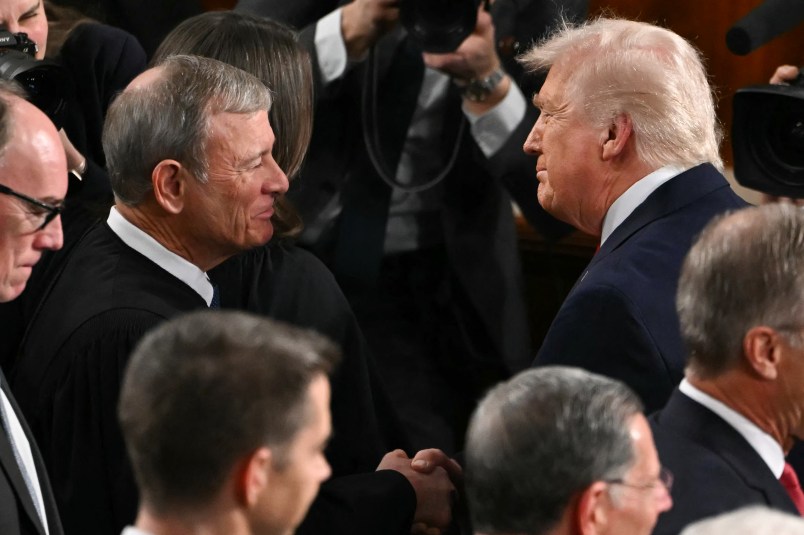
Opponents of the executive order, including the American Civil Liberties Union (ACLU), argue that the 14th Amendment’s language and historical interpretation clearly support birthright citizenship for nearly all persons born in the United States. They point to the landmark 1898 Supreme Court decision United States v. Wong Kim Ark, which affirmed citizenship for a man born in San Francisco to Chinese immigrant parents. Critics also highlight that the administration’s arguments draw on sources with racist and xenophobic origins and that the policy aligns with far-right efforts to redefine American citizenship based on ancestry rather than shared values. The Supreme Court’s ruling could also address whether the executive order violates federal immigration laws that use similar jurisdictional language, potentially deferring the broader constitutional question to Congress. Former President Trump has indicated he plans to attend the oral arguments in person, marking a rare appearance by a sitting or former president at the Court.


Be First to Comment