Key takeaways:
- Iranian missile strikes targeted the Israeli towns of Dimona and Arad near the country’s main nuclear research center, injuring at least 90 people and causing significant damage, marking the first direct attack on the nuclear center since the conflict began.
- The missile attacks followed an airstrike on Iran’s Natanz nuclear facility, with Israel denying involvement; U.S. intelligence testified to Congress about differing U.S. and Israeli objectives and warned of potential Iranian retaliation and regional instability.
- Israeli Prime Minister Netanyahu condemned the strikes, emphasizing continued military operations, while U.S. officials highlighted the ongoing threat from Iran despite degraded capabilities and noted the conflict’s broader impact on Middle East tensions and global oil markets.
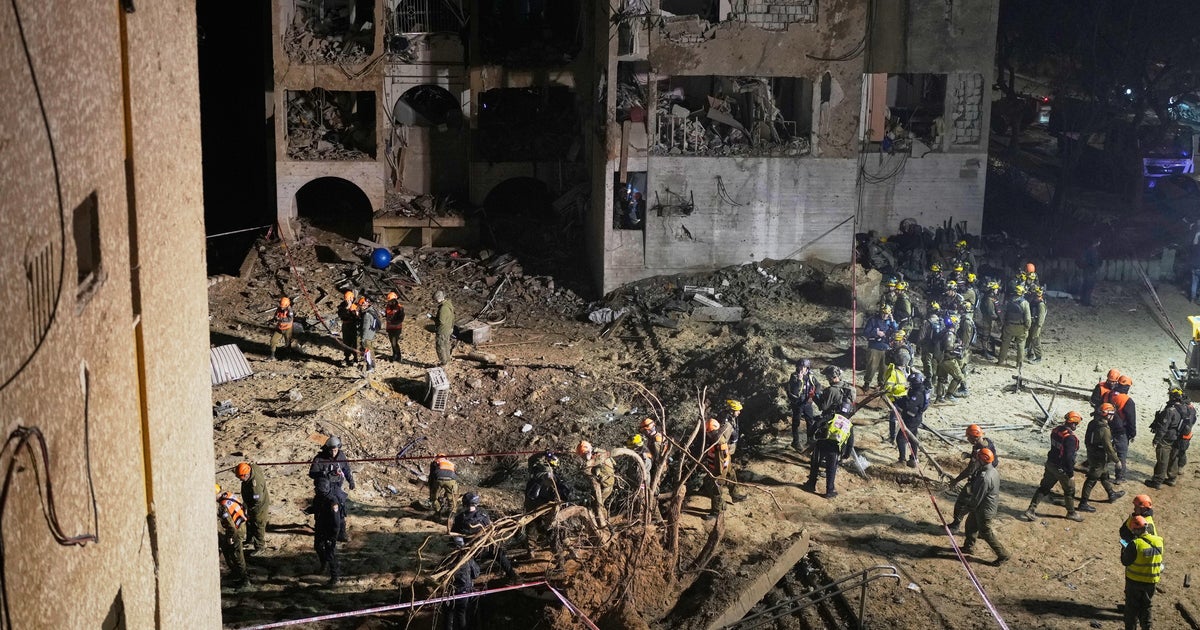
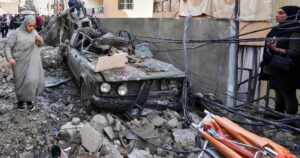
Iranian missile strikes targeted two Israeli towns near the country’s primary nuclear research center, resulting in injuries to at least 90 people. The attacks marked the first time the nuclear center has been directly targeted since the conflict began three weeks ago. The cities of Dimona and Arad, located in Israel’s Negev desert, sustained damage from the strikes, with emergency services reporting multiple casualties and ongoing rescue efforts.
According to Israel’s Magen David Adom emergency rescue agency, the strike on Arad injured 59 individuals, including six in serious condition, 13 in moderate condition, and 40 with mild injuries. Earlier, the town of Dimona was hit, causing injuries to at least 33 people. Rescue teams reported significant damage to residential buildings in Arad, with some structures at risk of collapse. Israeli Prime Minister Benjamin Netanyahu condemned the attacks and reaffirmed Israel’s commitment to continue military operations against its adversaries. An Israel Defense Forces spokesperson described the Iranian strikes as reckless and strategically aimed at civilians.
The missile strikes followed an airstrike on Iran’s Natanz nuclear enrichment facility, located approximately 135 miles southeast of Tehran. Israel denied involvement in the attack on Natanz, and the International Atomic Energy Agency (IAEA) reported no abnormal radiation levels or damage to the Israeli nuclear center. The Natanz facility had previously been targeted during a 12-day conflict between Iran and Israel in June 2025, as well as in subsequent strikes involving the United States. Iranian officials characterized the missile attacks on Israeli territory as a new phase in the ongoing conflict.
Meanwhile, U.S. intelligence officials provided testimony before Congress that diverged from President Donald Trump’s public statements regarding the war with Iran. Intelligence leaders indicated that the White House was briefed on the likelihood of Iranian retaliation against neighboring countries and disruptions to global oil supplies following U.S. military actions. They clarified that regime change in Iran was not an objective of the U.S. campaign, although Israeli goals might differ. The officials also noted that Iran’s military capabilities had been degraded but remained a threat, particularly in the strategically important Strait of Hormuz.
The intelligence testimony highlighted differences between U.S. and Israeli objectives in the conflict, with the U.S. focusing on disabling Iran’s missile infrastructure and Israel targeting Iranian leadership and regime elements. Intelligence assessments suggested that a conflict between Iran and Israel could lead to attacks on U.S. forces regardless of American involvement. This contradicted President Trump’s earlier claims that experts did not anticipate Iranian missile and drone attacks on neighboring countries. The ongoing conflict has led to increased tensions in the Middle East, disruptions to commercial shipping, and rising oil prices, raising concerns about broader economic impacts.




Be First to Comment