Key takeaways:
- Ayatollah Mojtaba Khamenei, Iran’s new Supreme Leader, emphasized continuing the blockade of the Strait of Hormuz and threatened attacks on countries hosting U.S. military bases, issuing his first statement without appearing publicly due to injury and security concerns.
- Khamenei expressed gratitude to Iran’s proxy groups and reiterated Iran’s commitment to disrupting a key global oil transit route, causing global energy market disruptions and raising inflation concerns.
- The new leader vowed revenge for recent Iranian civilian deaths, including a deadly school attack, and his hardliner background has drawn criticism from U.S. officials, highlighting tensions in the region.
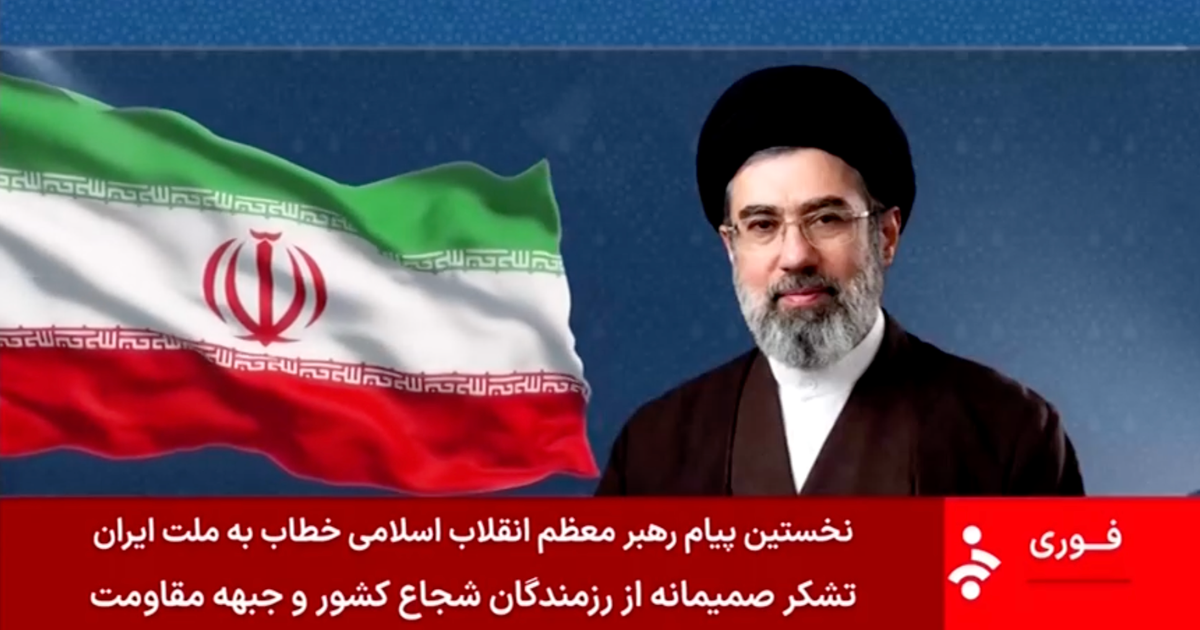
Iran’s newly appointed Supreme Leader, Ayatollah Mojtaba Khamenei, issued his first public statement on Thursday, emphasizing the continuation of Iran’s blockade of the Strait of Hormuz and threatening further attacks on neighboring countries hosting U.S. military bases. The statement, read aloud by a presenter on Iranian state television without any accompanying audio or video of Khamenei himself, marked the first official communication since his appointment following the killing of his father and predecessor, Ayatollah Ali Khamenei, in early February during U.S.-Israeli strikes on Iran.
The absence of a direct appearance by Mojtaba Khamenei has fueled speculation about his health and whereabouts. Iranian officials have confirmed he was injured in the attack but remains alive, though he has not been publicly seen since the conflict began. Analysts suggest the decision to release only a written statement may be a security measure to protect the new leader, who is reportedly being actively targeted by Israeli forces. “He obviously has to take extreme measures to protect himself physically,” said Alex Vatanka, a senior fellow at the Middle East Institute.
In his statement, Khamenei expressed gratitude to Iran’s “brave warriors” and proxy groups across the Middle East, including Hezbollah in Lebanon, the Houthi rebels in Yemen, and Iraqi resistance factions. He reiterated Iran’s commitment to blocking the Strait of Hormuz, a critical global oil transit route through which about one-fifth of the world’s oil passes annually. The blockade has caused significant disruptions to global energy markets, driving crude oil prices higher and raising concerns about inflation worldwide. Khamenei also warned that Iran would continue to target military bases in Gulf countries hosting U.S. forces unless those bases were closed, despite expressing a desire for “warm and constructive relations” with regional neighbors.
The new Supreme Leader vowed to seek revenge for the deaths of Iranians killed in the recent strikes, including civilians and children, referencing a deadly attack on an elementary school that Iranian officials say killed more than 170 people. Preliminary U.S. military investigations suggest that the strike may have been caused by outdated intelligence, though Iran holds the U.S. responsible. Mojtaba Khamenei’s rise to power marks him as Iran’s third supreme leader since the 1979 revolution. Known as a hardliner with close ties to the Islamic Revolutionary Guard Corps, he was previously sanctioned by the U.S. Treasury Department for his role in violent crackdowns. His appointment has drawn criticism from U.S. officials, including former President Donald Trump, who described Khamenei’s candidacy as “unacceptable” and expressed a preference for a leader who would bring peace to Iran.

Be First to Comment