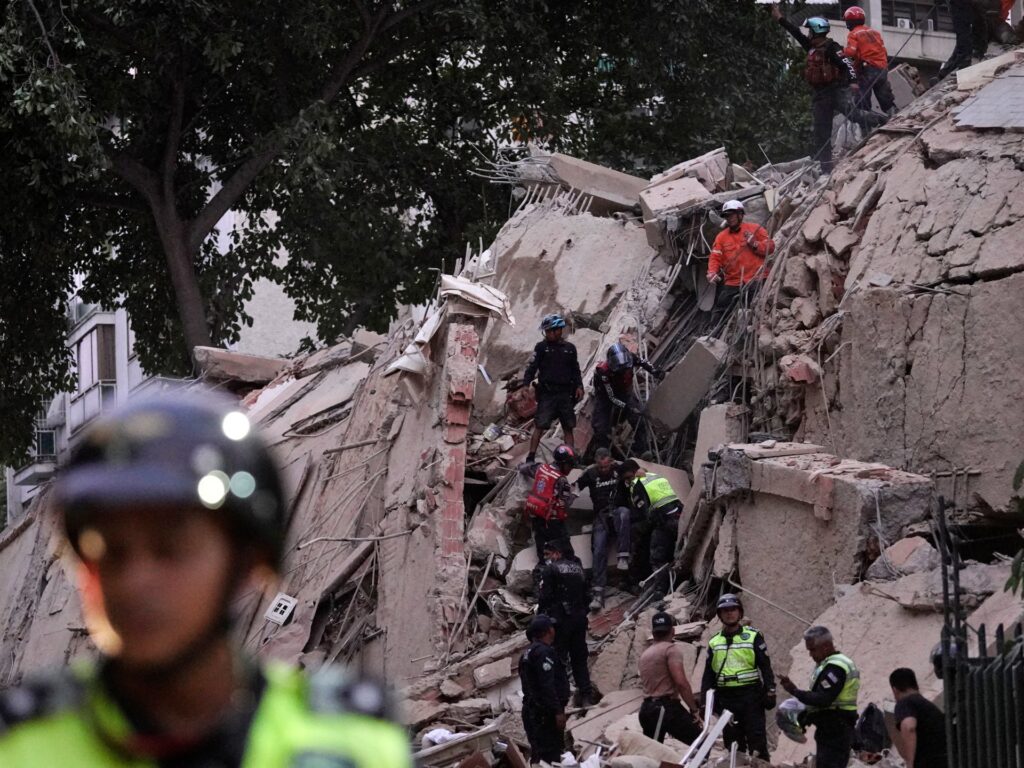
Two major earthquakes struck northern Venezuela seconds apart, collapsing buildings in Caracas and prompting a state of emergency. Officials reported deaths and hundreds of injuries as rescuers searched rubble and foreign governments offered aid.
Posts tagged as “USGS”
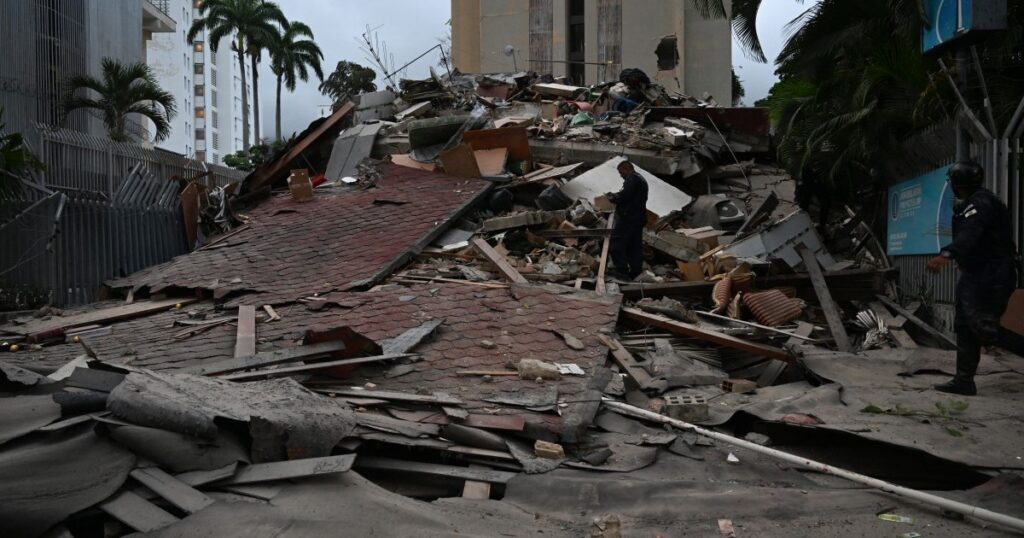
Two major earthquakes struck Venezuela seconds apart, damaging buildings in Caracas and closing the capital’s airport. The U.S. Geological Survey warned that high casualties and extensive damage were probable, though authorities had not released a casualty toll.
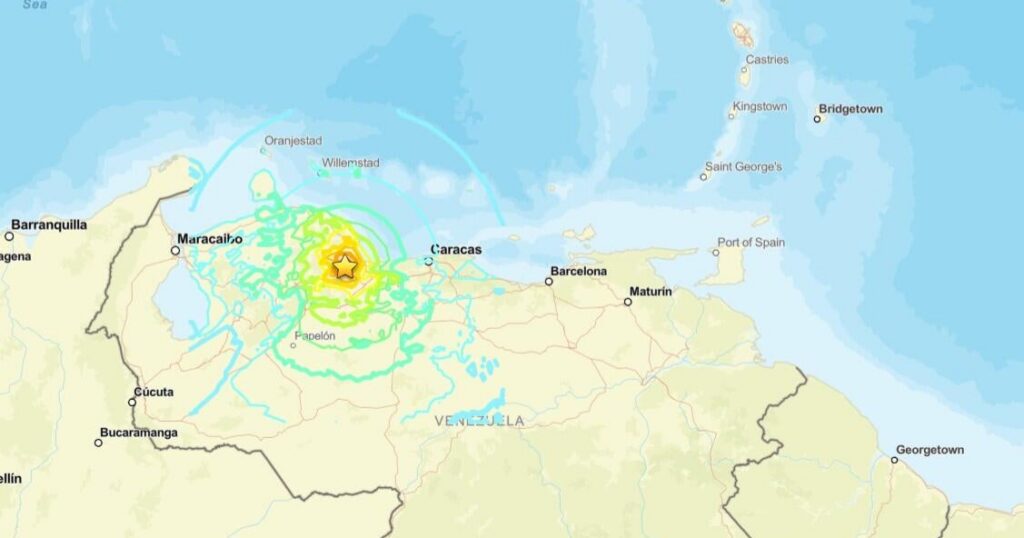
A magnitude 7.1 earthquake struck northwest Venezuela near Montalbán, shaking Caracas and prompting evacuations. Tsunami advisories were issued for Puerto Rico and the Virgin Islands, while damage and injuries remained unclear.
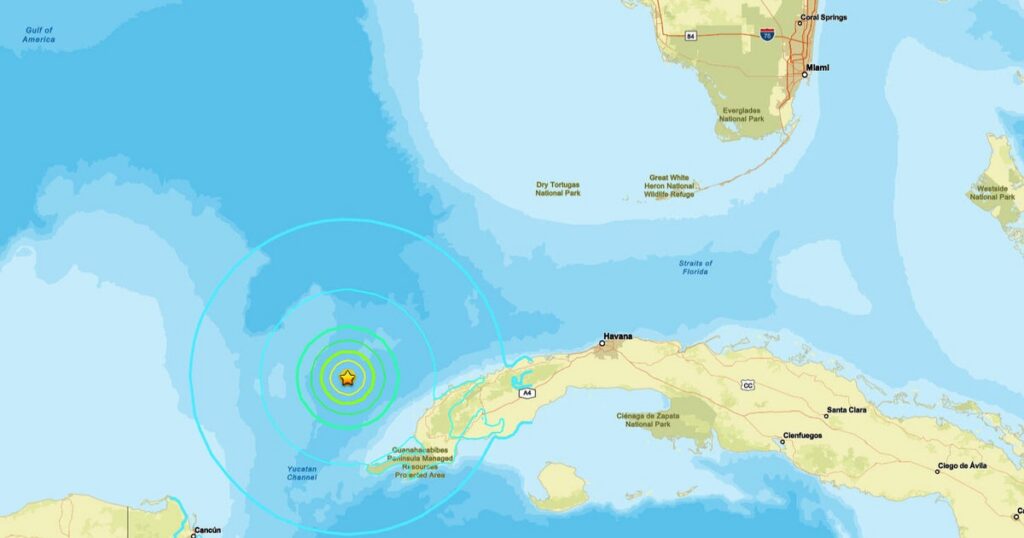
A magnitude 6.1 earthquake off western Cuba was felt across parts of Florida on Monday, including Miami, Tampa and Orlando. Officials said there were no significant injuries, major property damage or tsunami threat.

A meteor fragmented over northeastern Massachusetts Saturday afternoon, causing a sonic boom and tremors. NASA confirmed the fireball broke apart at 40 miles altitude, releasing energy equivalent to 300 tons of TNT.
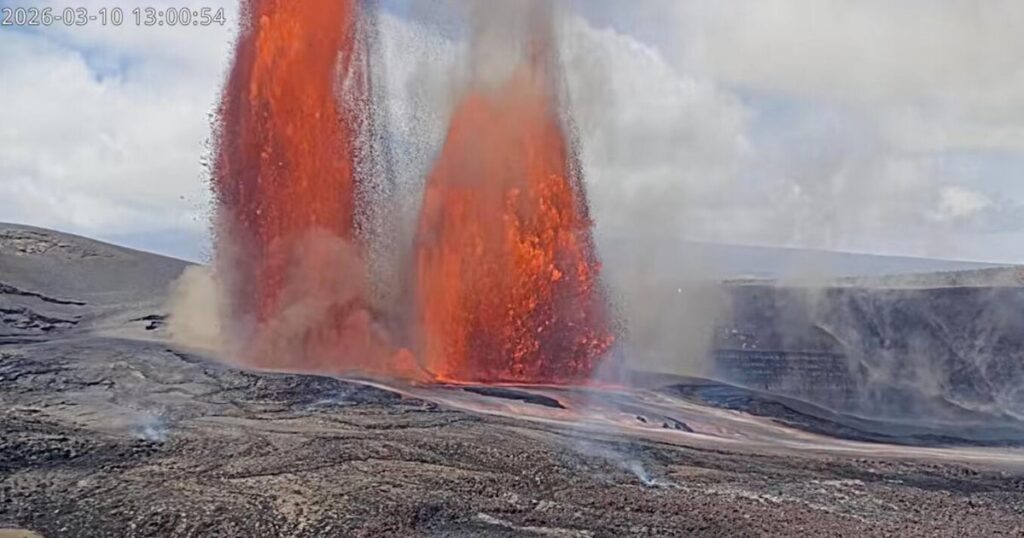
Hawai‘i’s Kīlauea volcano on the Big Island produced towering lava fountains up to 1,300 feet high during its 43rd eruption episode, prompting park closures and road restrictions due to falling volcanic fragments and ash. The eruption remains confined within the summit crater, but ashfall warnings and safety measures have been issued to protect residents and visitors from respiratory and infrastructure hazards. Authorities have responded by closing affected areas, opening a shelter, and maintaining a high alert level as the volcano continues its active and hazardous activity.

On April 23, 2025, a 6.2 magnitude earthquake struck off the coast of Turkey near Istanbul, causing significant concern but no immediate reports of damage or injuries. The tremor prompted residents to evacuate buildings and gather in open areas, while Turkey's disaster and emergency management agency advised caution and emphasized staying informed through official channels. The event underscored the region's vulnerability to seismic activity and highlighted the importance of preparedness and resilience in earthquake-prone areas.
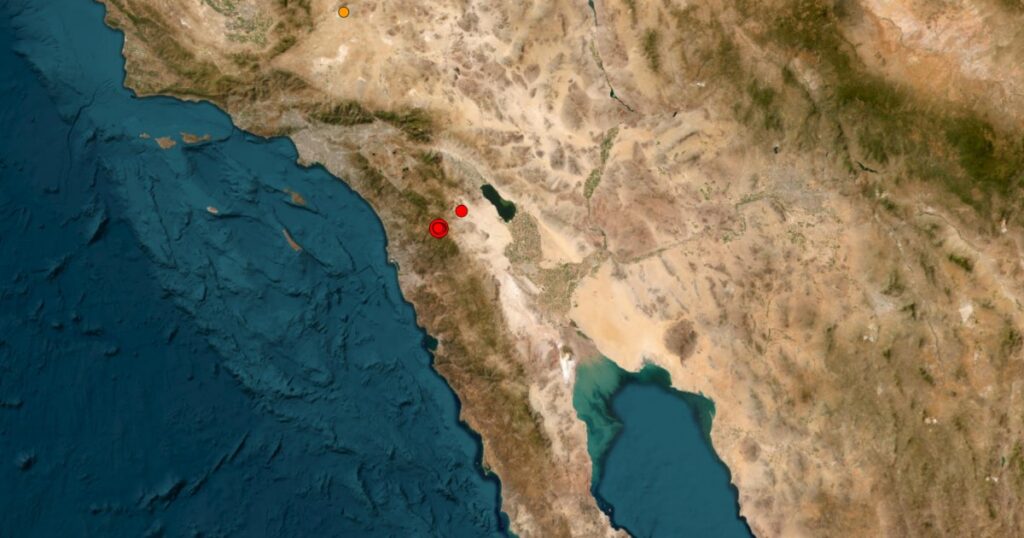
A preliminary 5.2-magnitude earthquake struck near Julian, California, on Monday morning, with the epicenter located just south of the town, and was felt across a wide area including San Diego County and the Inland Empire. The United States Geological Survey reported a series of aftershocks, the strongest being a 3.0-magnitude tremor, occurring in quick succession following the initial quake. Despite the widespread impact of the seismic activity, there have been no immediate reports of significant damage or injuries, and authorities are continuing to monitor the situation.