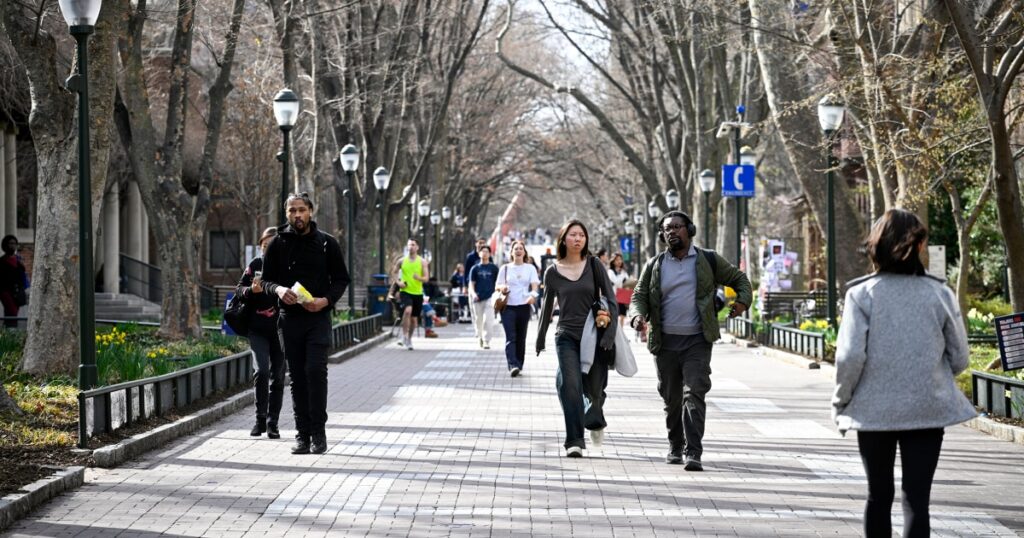
A federal judge has ordered the University of Pennsylvania to comply with an EEOC subpoena seeking information about Jewish employees as part of an investigation into alleged antisemitic discrimination on campus, while exempting certain Jewish-affiliated organizations from disclosure. The EEOC's probe follows multiple antisemitic incidents at the university and examines its response to related protests, with the judge acknowledging the subpoena's flaws but upholding its narrow purpose. The university plans to appeal the decision, citing concerns over employee privacy and constitutional rights amid ongoing efforts to address antisemitism.
Posts tagged as “the University of Pennsylvania”

Wesleyan University President Michael Roth has spoken out on the issue of antisemitism on college campuses, emphasizing the importance of university presidents speaking out against hate speech and fostering a culture of respect and tolerance. This has sparked a debate about the role of university presidents in addressing hate speech and antisemitism, with Roth being critical of the other two college presidents who were present at the hearing. It is clear that university presidents must take an active role in speaking out against hate speech and fostering a culture of respect and tolerance.
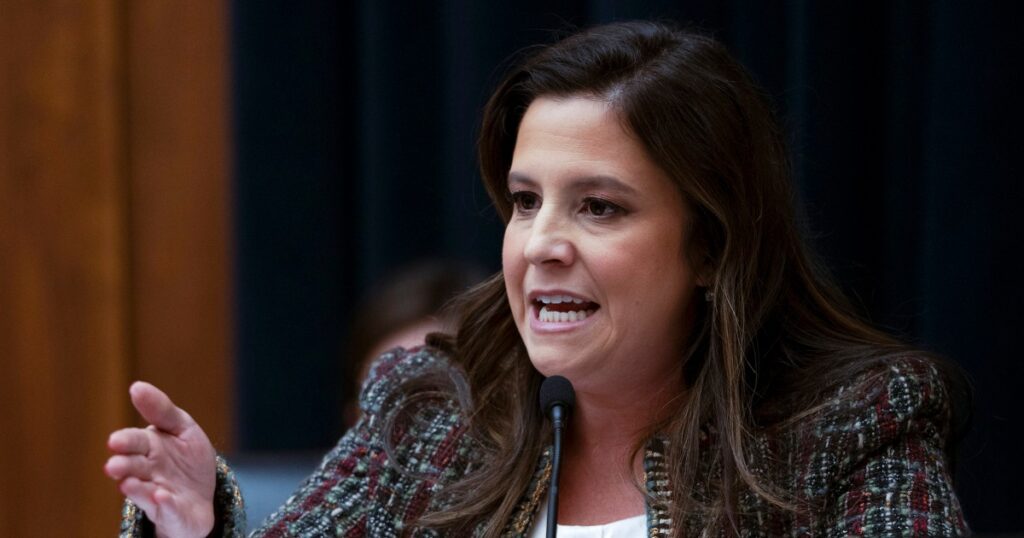
This congressional hearing with Harvard, Penn, and MIT university presidents has gone viral after they were asked if calling for the extermination of Jews would violate their code of conduct. Rep. Elise Stefanik has called for an investigation into the universities' perpetration of antisemitism, and praised the resignation of University of Pennsylvania President Liz Magill. The incident has raised questions about the universities' codes of conduct and has highlighted the need for greater oversight to ensure that they are taking appropriate steps to address antisemitism.
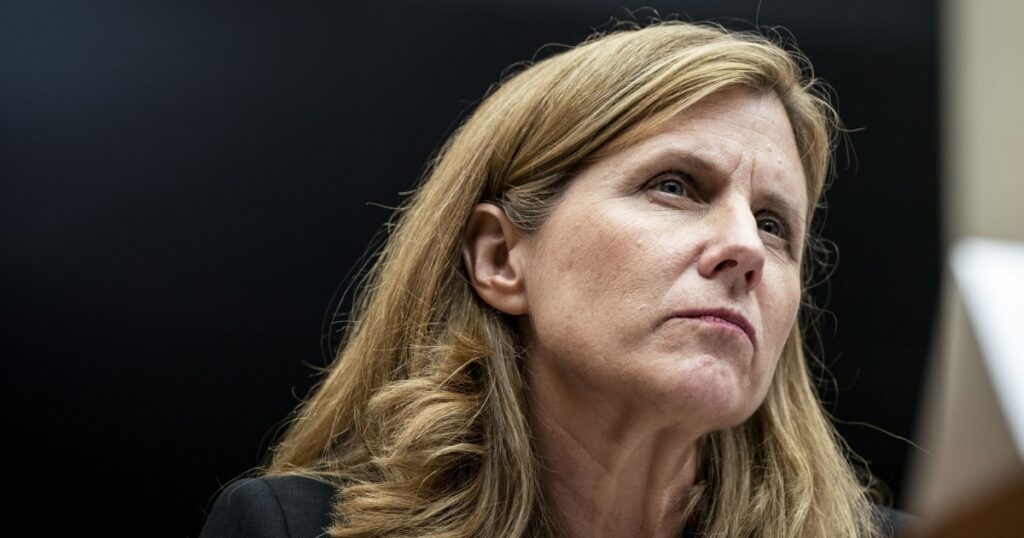
University of Pennsylvania President Liz Magill has resigned following intense criticism from the White House, lawmakers, and high-profile alumni over comments she made during a congressional hearing on campus antisemitism. Magill had apologized for her comments and reaffirmed her commitment to fighting antisemitism on campus, but the damage had already been done and the university was facing the threat of losing a $100 million donation. The university has yet to announce a replacement for the position, and will continue to work to combat antisemitism on campus.

The FDA is investigating the death of a 21-year-old woman with a heart condition who allegedly died after consuming a highly caffeinated lemonade from Panera Bread. The lawsuit filed by the woman's family claims that Panera failed to properly warn consumers about the drink's ingredients, which contain more caffeine than a standard can of Red Bull and Monster energy drinks combined. The FDA is gathering information about the incident and is working to determine if the drink was responsible for the woman's death, and if Panera should have provided more information about the drink's ingredients.

The parents of Sarah Katz, a 21-year-old college student who died after drinking Panera Bread's Charged Lemonade, have filed a lawsuit alleging that the drink contains more caffeine than Red Bull and Monster Energy Drink combined and no consumer warning. The lawsuit seeks damages for the parents' loss, punitive damages for Panera's alleged negligence, and an injunction to prevent Panera from selling the drink without warning customers of its potential health risks. Panera has yet to comment on the lawsuit.
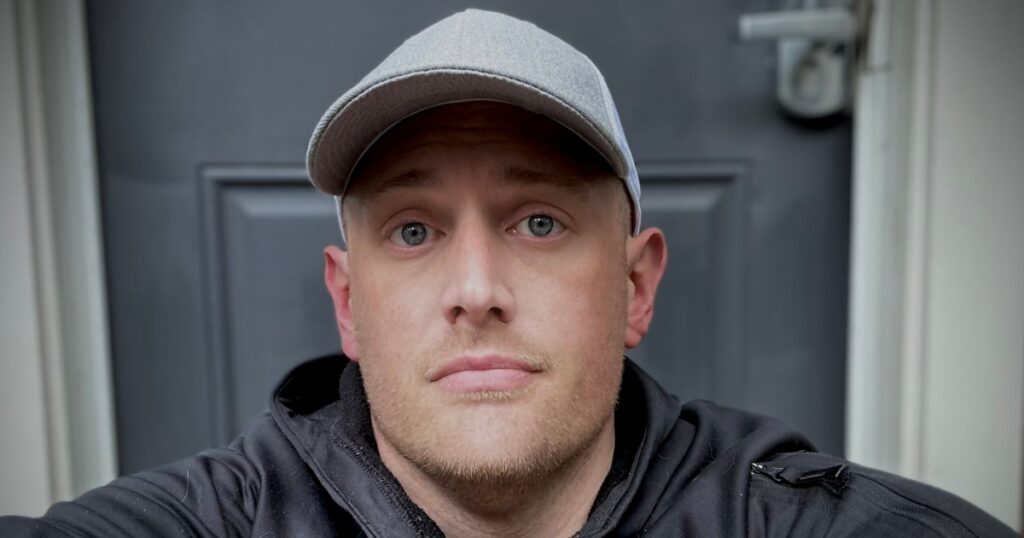
Philadelphia Police have identified Robert Edmond Davis, 19, as the suspect in the murder of journalist and activist Josh Kruger. An arrest warrant has been issued for Davis, which includes charges of murder and related offenses. Lt. Hamilton Marshmond thanked the public and Kruger's family and friends for providing information and assisting the police department in the investigation. Kruger's death has been a shock to the Philadelphia community, and a vigil was held to remember him.
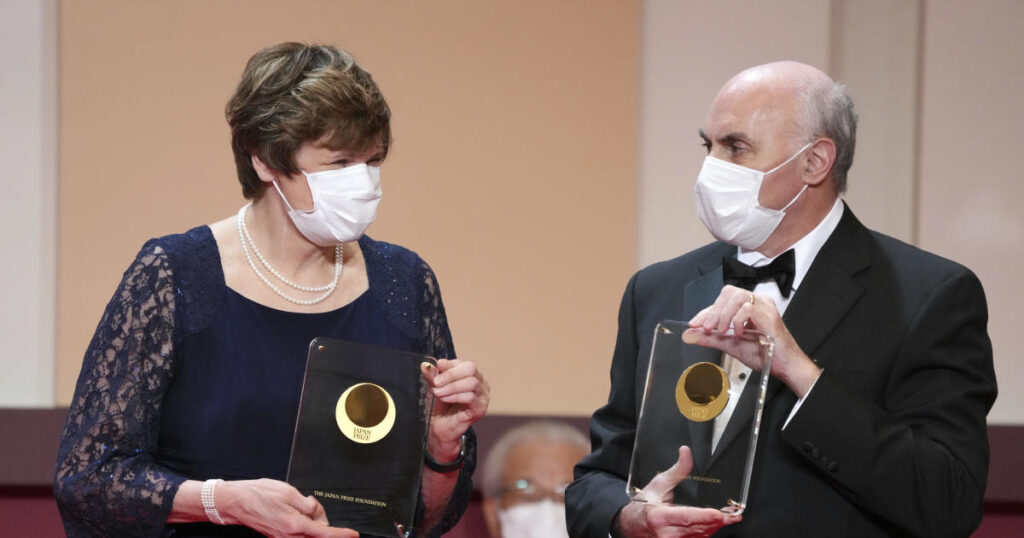
Katalin Karikó and Drew Weissman have been awarded the 2023 Nobel Prize in Physiology or Medicine for their discoveries that enabled the development of mRNA vaccines against COVID-19. The Nobel Assembly praised the laureates for their work which has "fundamentally changed our understanding of how mRNA interacts with our immune system" and for contributing to the "unprecedented rate of vaccine development". This technology has been used to develop vaccines for a range of diseases, including COVID-19.