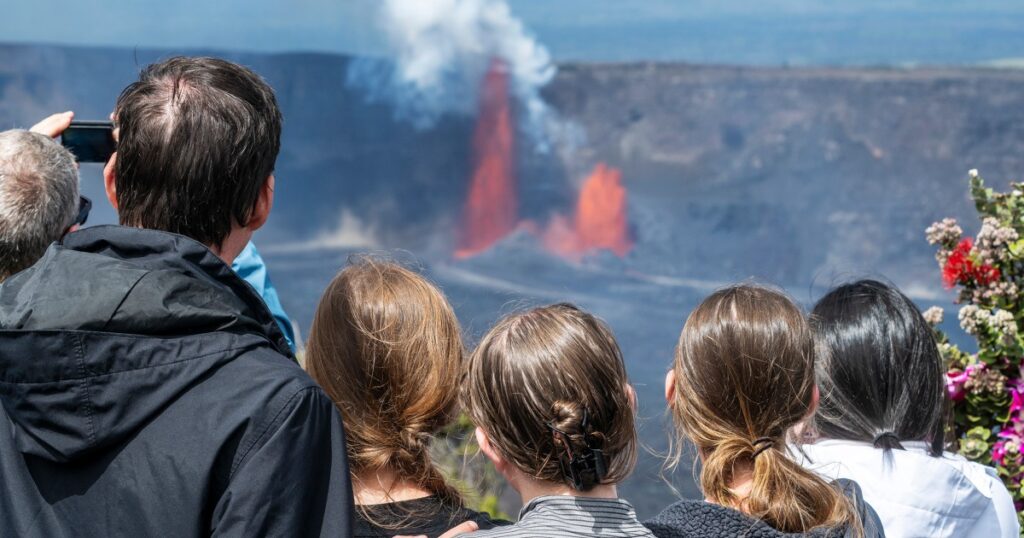
Hawaii's Kilauea volcano has erupted again, with lava fountains reaching up to 700 feet, marking the 14th episode in an ongoing eruption sequence after a brief pause. The eruption lasted 28 hours and was closely monitored by the USGS' Hawaiian Volcano Observatory, which reported consistent intensity throughout the event. While the eruption was contained within Hawaii Volcanoes National Park and posed no immediate threat to nearby communities, it highlights the need for continued monitoring and understanding of volcanic activity.
Posts tagged as “The U.S. Geological Survey”
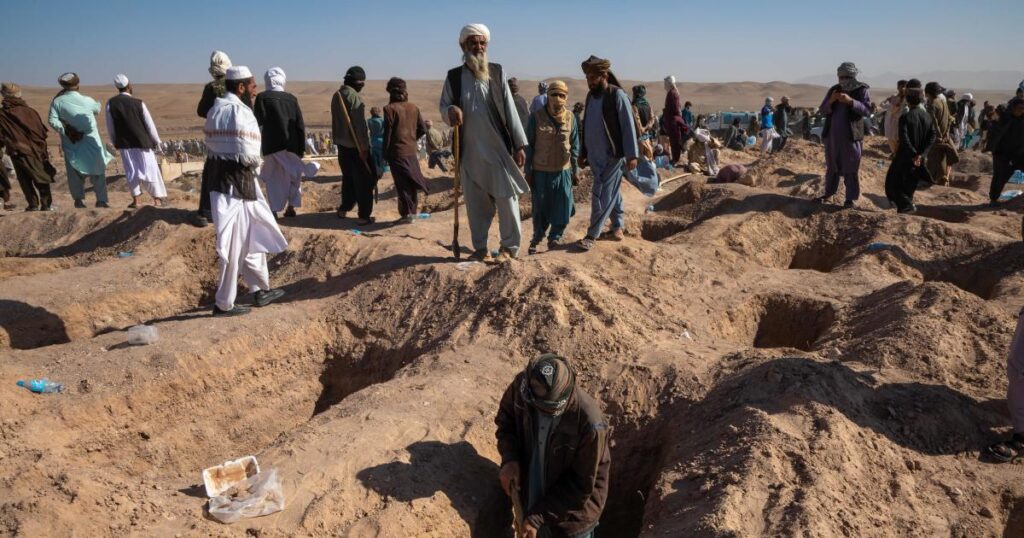
On Sunday, a series of earthquakes rocked the city of [...] leaving over 2,400 dead and 2,000 injured. The United Nations has approved a $5 million emergency reserve allocation from the Afghanistan Humanitarian Fund to help with the relief efforts, and the death toll is expected to rise further. Donations are being urged to help provide food, shelter, medical assistance, and other essential services to those affected.

A new government study has revealed that nearly half of the United States' tap water contains one or more "forever chemicals" known as PFAS, which have been linked to a range of health problems. The study is the first nationwide effort to test for PFAS in tap water from private sources, and is a reminder of the importance of being aware of the water sources in your area. The EPA has established a health advisory level for two types of PFAS, but individuals should take steps to protect their health, such as using a water filter or drinking bottled water.
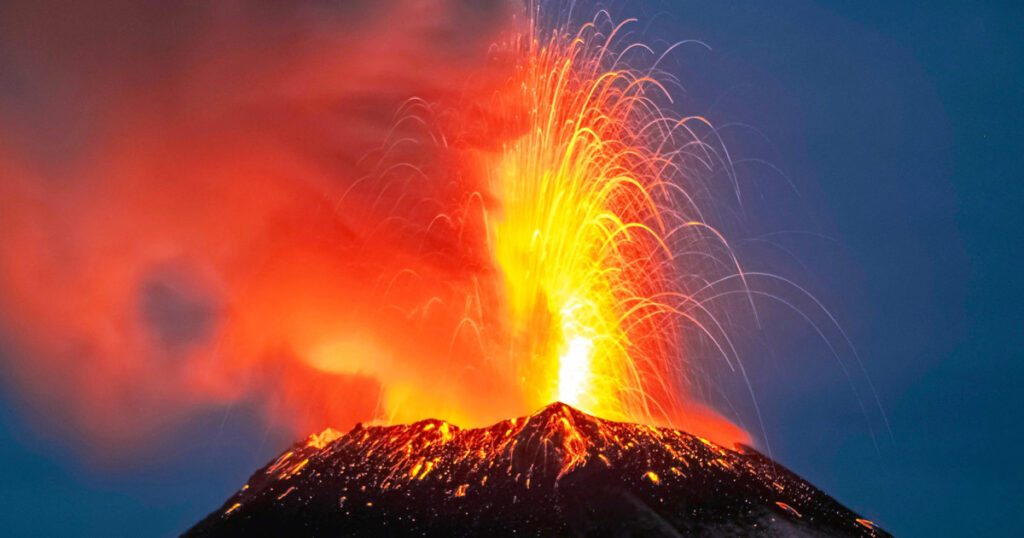
On Monday, Mexico City was affected by the Popocatépetl volcano after the National Center for Disaster Prevention raised the alert level to "yellow phase 3". This activity has caused flight cancellations and delays, and the Mexican government is monitoring the situation closely and preparing to take action if necessary. Residents in the area are advised to take precautions and stay informed of any updates.
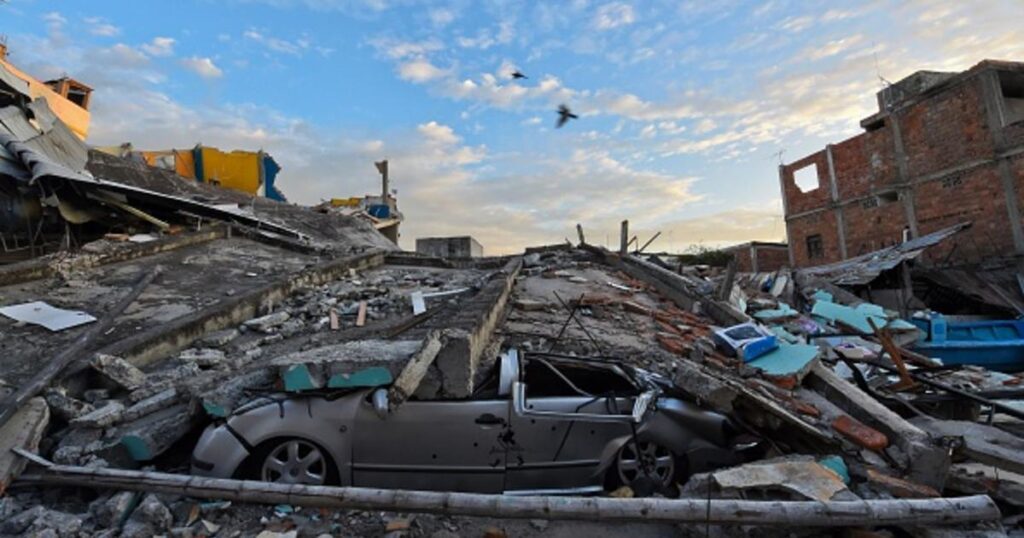
A 7.8 magnitude earthquake shook the region around Ecuador's second-largest city, Guayaquil, resulting in the death of at least 480 people and causing widespread destruction and panic. Solange Coyago, a resident of Guayaquil, described the windows shaking and the lights moving quickly. The Ecuadorian government has declared a state of emergency and requested international assistance, while rescue teams are searching for survivors and assessing the damage.
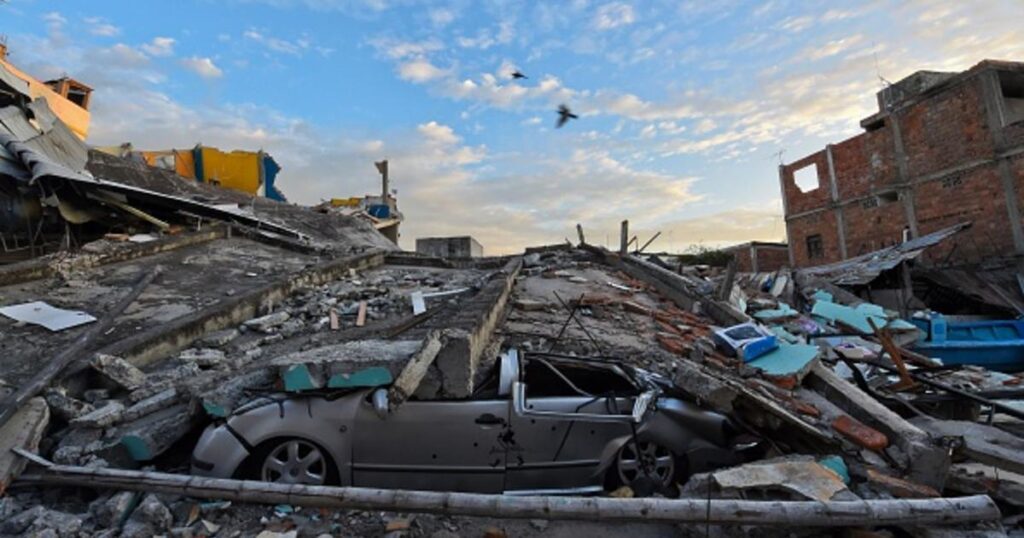
This article discusses the devastating 7.8 magnitude earthquake that struck Ecuador's second-largest city, Guayaquil, on Saturday. The earthquake has caused significant damage to homes and buildings, resulting in the death of at least 480 people. The Ecuadorian government has declared a state of emergency and mobilized the military to assist with search and rescue operations, while the Ecuadorian Red Cross is providing medical assistance and assessing the damage. The international community has also offered its support.
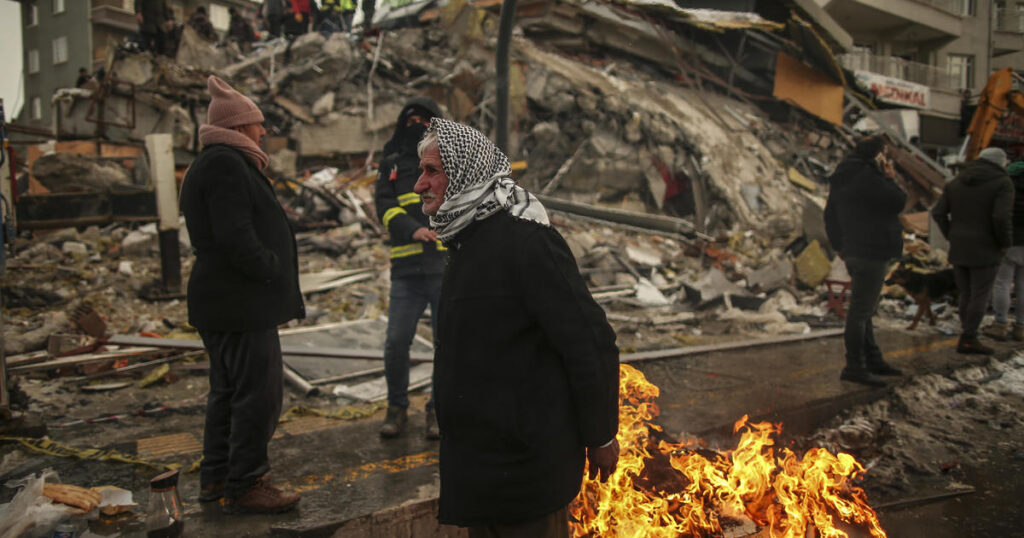
A 7.8 magnitude earthquake has caused destruction in Turkey and northwest Syria, with search teams and relief supplies coming in from around the world. Rescue workers are facing a difficult task as they try to reach those in need, hindered by a winter storm that has made roads almost impassable. It is a "race against time" to save as many people as possible before the situation worsens.
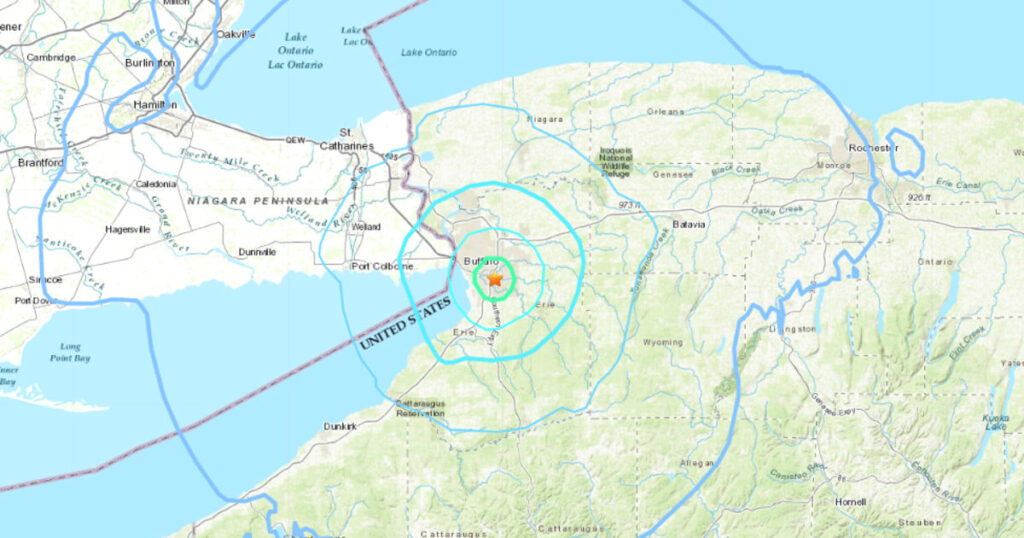
On Monday morning, residents of the Buffalo area were shaken awake by a 3.8-magnitude earthquake, the strongest recorded in the area in 40 years. Seismologist Yaareb Altaweel said the quake lasted a few seconds and sent residents into a panic. The U.S. Geological Survey is continuing to monitor the area for any further seismic activity and residents are urged to take precautions in case of any aftershocks.