Press "Enter" to skip to content

Posts tagged as “The U.S. Central Command”
Trump Administration Weighs Military Escort for Oil Tankers in Strait of Hormuz Amid Rising Iranian Drone Attacks and Regional Tensions

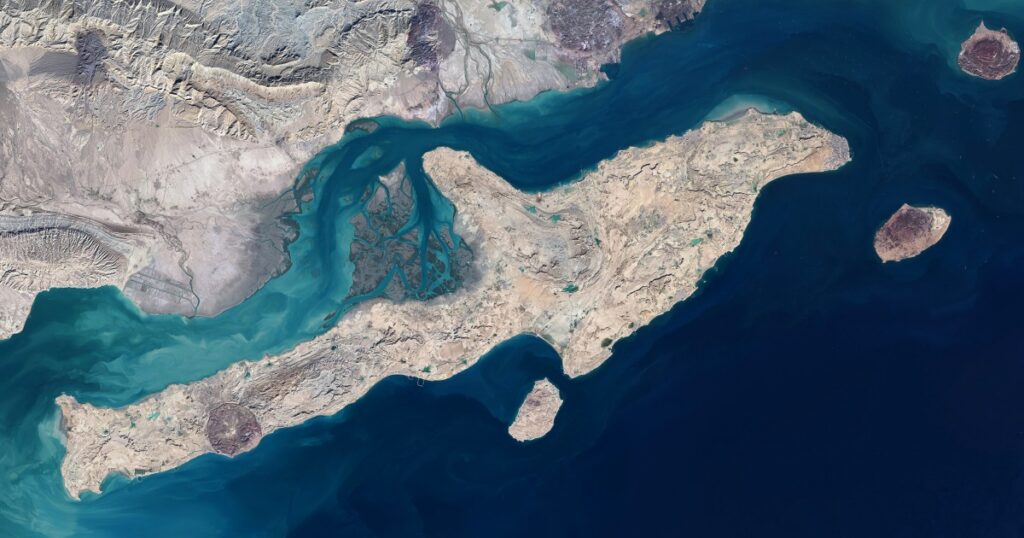
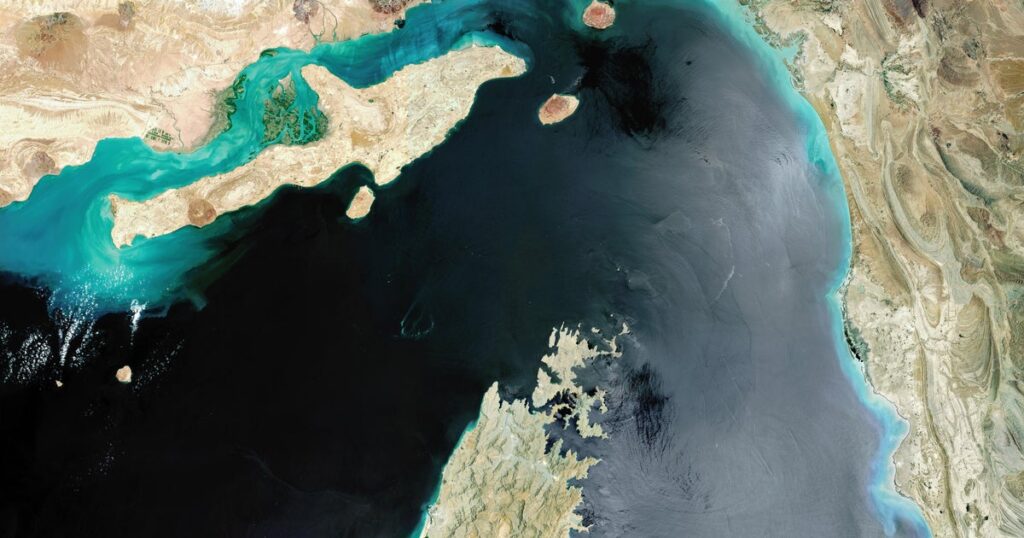
The Trump administration is considering a military operation to escort oil tankers through the Strait of Hormuz following a series of attacks on vessels in the Persian Gulf, which have disrupted global oil shipments and driven up prices. The proposed operation involves neutralizing Iranian threats through strikes on missile and drone facilities before providing convoy protection with U.S. Navy ships and international partners, amid ongoing drone attacks by Iran targeting U.S. bases and regional infrastructure. As the conflict escalates, the U.S. and allies are working to secure critical maritime routes and counter Iran’s advanced drone warfare capabilities in a highly volatile environment.

Pentagon Updates on US-Iran Conflict: Significant Reduction in Iranian Missiles Amid Ongoing Strikes and Rising Global Oil Prices

The Pentagon provided updates on the U.S.-Iran conflict, reporting a significant reduction in Iran’s missile capabilities and ongoing investigations into a recent U.S. tanker crash in Iraq. Despite extensive U.S. strikes on Iranian targets, Iranian attacks continue, impacting global oil prices and prompting temporary easing of sanctions on Russian oil to stabilize markets. Public opinion remains divided over the conflict, with mixed messaging from U.S. officials and Iran asserting its intent to control the Strait of Hormuz and sustain attacks in the region.

U.S. and Allies Face Escalating Middle East Conflict as Iran Tensions Intensify Amid Military Strikes and Diplomatic Turmoil

The conflict involving Iran in the Middle East has intensified over nearly two weeks, marked by a tragic U.S. military aircraft crash in Iraq, persistent Iranian drone and missile attacks on Gulf allies, and rising tensions fueled by President Trump’s aggressive rhetoric. These attacks have disrupted critical shipping routes like the Strait of Hormuz, prompting discussions of U.S. naval escorts to protect oil tankers amid soaring global energy prices. Meanwhile, Iran’s internal crackdown on protests and calls from international leaders for regime change highlight the multifaceted and volatile nature of the ongoing crisis.

Four U.S. Military Personnel Killed in KC-135 Crash Near Iraq-Jordan Border Amid Ongoing Iran Conflict Operations

Four U.S. military personnel died when a KC-135 aerial refueling aircraft crashed near the Iraqi-Jordanian border during operations related to conflicts involving Iran, with two crew members still missing as rescue efforts continue. CENTCOM confirmed the crash was not due to hostile or friendly fire and noted a second KC-135 involved in the same operation was damaged but landed safely in Tel Aviv. This incident is the fourth U.S. aircraft crash linked to Operation Epic Fury, which has resulted in 11 U.S. service member deaths since February 28, and recovery operations are ongoing amid an active investigation.

US Senator Backs Military Action Against Iran Amid Rising Costs and Casualties in Ongoing Conflict

The conflict between the United States, Israel, and Iran has led to significant military casualties, economic costs exceeding $11.3 billion in the first six days, and disruptions to global oil trade through the Strait of Hormuz. Democratic Senator John Fetterman supports the U.S.-Israel military campaign, citing Iran’s limited ability to inflict damage and emphasizing the threat posed by Iran’s nuclear ambitions despite intelligence reports indicating no active nuclear weapon development. Meanwhile, the war’s human toll includes thousands of deaths across the involved nations, and President Trump has expressed uncertainty about the conflict’s duration as the U.S. seeks additional funding to sustain military operations.

U.S. Intensifies Airstrikes in Yemen Amid Accusations of Prison Attack, Sparking Renewed Scrutiny and Humanitarian Concerns

The conflict in Yemen has intensified with the U.S. military's increased airstrike campaign against Houthi rebels, targeting over 800 locations since mid-March. A recent alleged U.S. airstrike on a prison in the Saada governorate reportedly killed 68 African migrants, prompting scrutiny and criticism from activists. This escalation occurs amid U.S.-Iran nuclear negotiations, raising concerns about the broader implications for regional stability and humanitarian issues.

U.S. Airstrikes on Yemen’s Ras Isa Oil Port Kill 58, Injure 126 in One of Deadliest Attacks Against Houthi Rebels

U.S. airstrikes on the Ras Isa oil port in Yemen, controlled by Houthi rebels, resulted in 58 deaths and 126 injuries, marking one of the deadliest incidents since the U.S. began its campaign against the group. The strikes aimed to disrupt a critical fuel supply for the Houthis, who rely on the port for sustaining their operations. The lack of detailed information from the U.S. Central Command about the campaign has made it difficult to fully assess the impact of these military actions, raising international concerns about the humanitarian implications and the complexities of the conflict.

CIA Director William Burns Travels to Poland to Negotiate Release of Hostages in Gaza

CIA Director William Burns is in Poland to meet with Israeli and Qatari officials in an effort to secure the release of hostages held in Gaza. The U.S. military has been involved in the situation, engaging 14 one-way attack drones from Yemen, and the top two U.S. military leaders are now traveling to Tel Aviv to advise the Israeli government. The same group met twice last month in Doha, Qatar, in an attempt to resolve the hostage situation and prevent a wider regional conflict.

We've updated the design to something a little more modern.  Got an opinion?  Let us know!