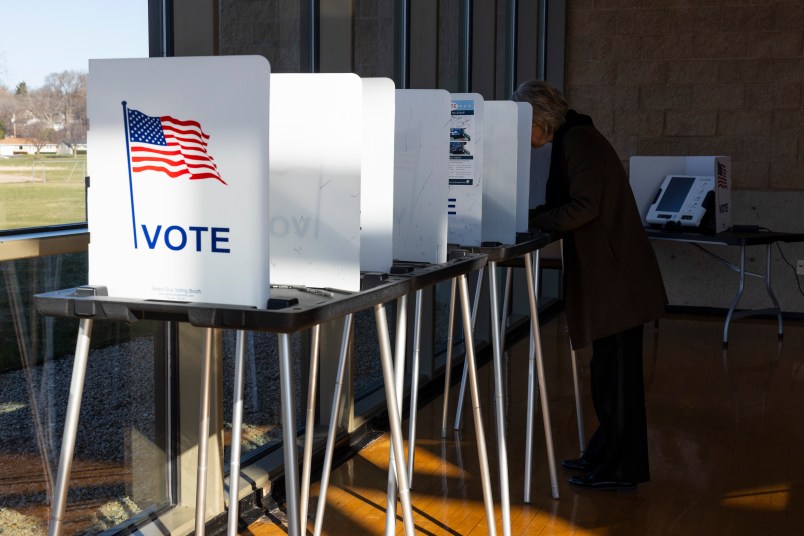
Chris Taylor wins a Wisconsin Supreme Court seat, expanding the liberal majority to 5-2. The victory continues a trend of Democratic-backed successes in the state’s high court races and could influence key issues like redistricting and voting rights.
Posts tagged as “the Supreme Court”
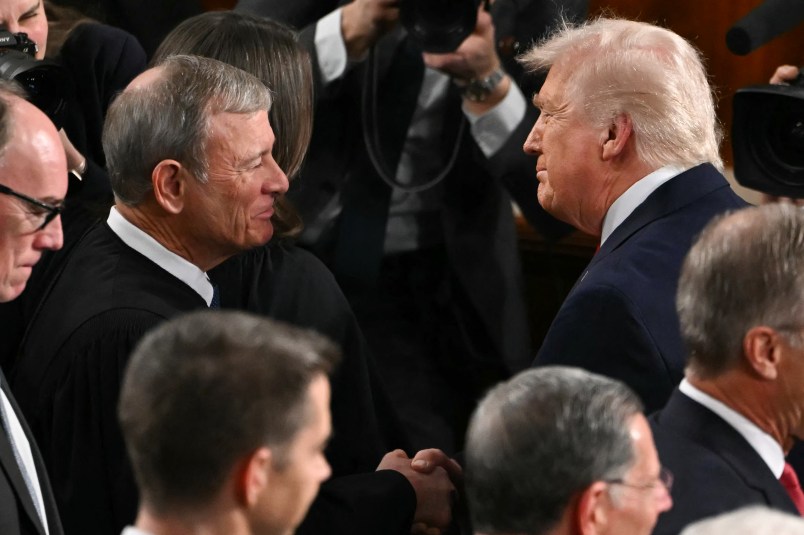
The Supreme Court will hear arguments on a Trump-era executive order aiming to restrict birthright citizenship by limiting it to children born to U.S. citizens or lawful permanent residents, challenging the traditional interpretation of the 14th Amendment’s Citizenship Clause. The administration argues that the clause’s phrase “subject to the jurisdiction thereof” excludes children of temporary visitors or undocumented immigrants, citing historical cases, while opponents maintain that longstanding legal precedent and the amendment’s language guarantee citizenship to nearly all born on U.S. soil. The Court’s decision could have significant implications for constitutional law and immigration policy, with former President Trump expected to attend the proceedings.
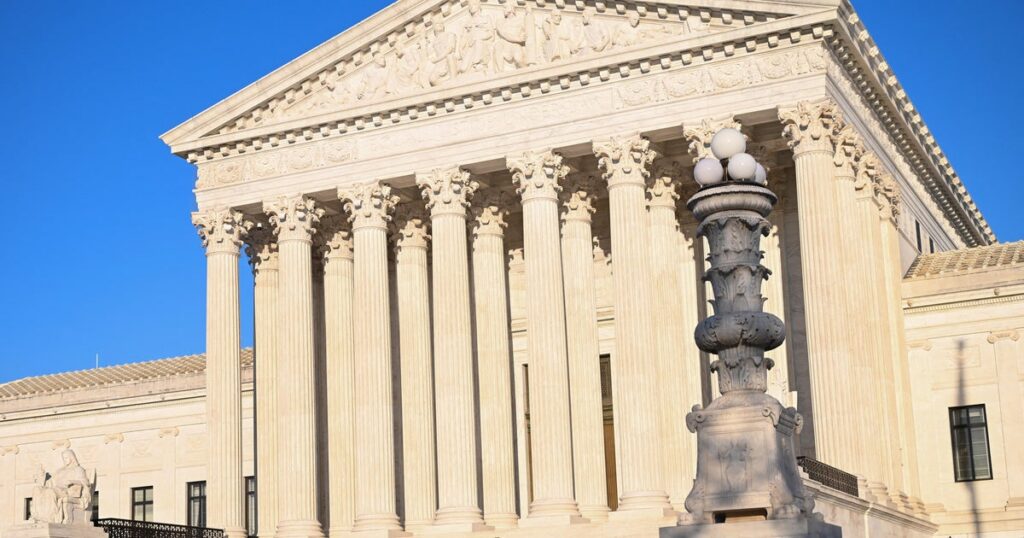
President Donald Trump is set to attend Supreme Court oral arguments on his executive order aimed at ending birthright citizenship for children born in the U.S. to undocumented or temporarily present immigrants, marking the first time a sitting president has personally attended such a session. The case challenges the longstanding interpretation of the Fourteenth Amendment’s Citizenship Clause, which has historically granted citizenship to nearly all individuals born on U.S. soil, regardless of their parents' status. With a conservative majority on the Court, including three Trump appointees, a ruling expected by July could significantly impact immigration law and constitutional citizenship rights.
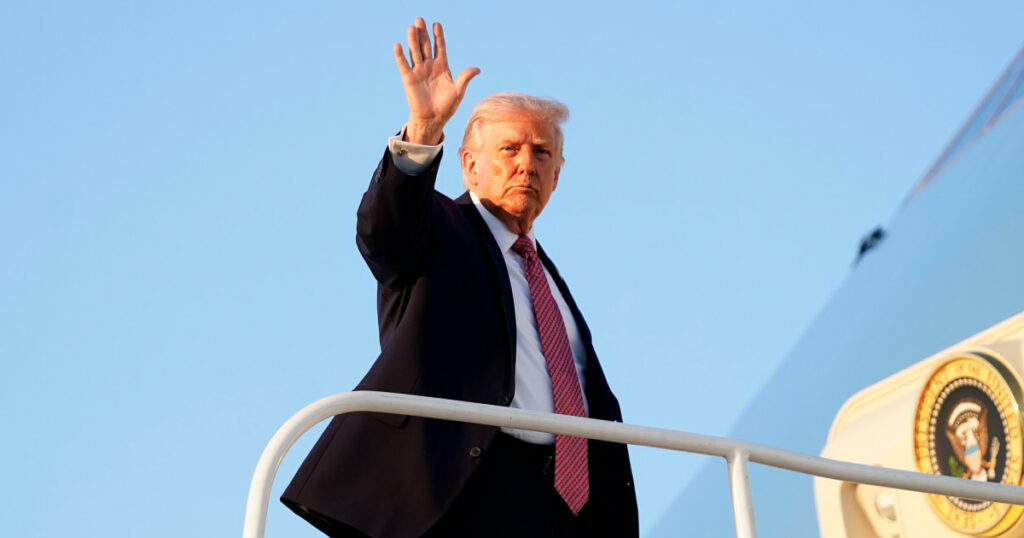
Amid ongoing tensions with Iran, President Trump has continued to play golf, describing it as a way to relax while asserting that the U.S. has significantly weakened Iran’s military and that the conflict is nearing resolution. Meanwhile, the partial shutdown of the Department of Homeland Security has caused operational disruptions and financial strain for TSA workers, with political divisions in Congress preventing a unified funding solution. Concurrently, the Department of Justice is intensifying election-related investigations, sparking debate over election integrity, while multiple legal and political controversies, including immigration enforcement and Supreme Court cases, contribute to a complex national environment.
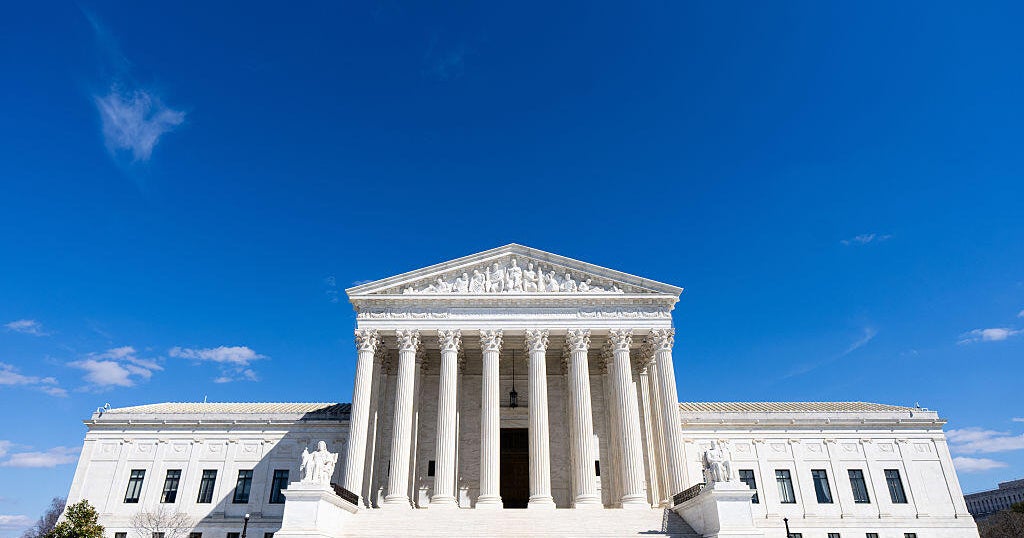
The U.S. Supreme Court ruled 8-1 that Colorado's ban on conversion therapy for minors violates the First Amendment by regulating speech based on viewpoint rather than professional conduct. The decision, authored by Justice Gorsuch, emphasized that the law censors speech and sent the case back to lower courts for further review under stricter constitutional scrutiny. Justice Ketanji Brown Jackson dissented, warning the ruling could hinder states' ability to regulate medical professionals and protect patients, highlighting the ongoing conflict between free speech rights and LGBTQ protections.
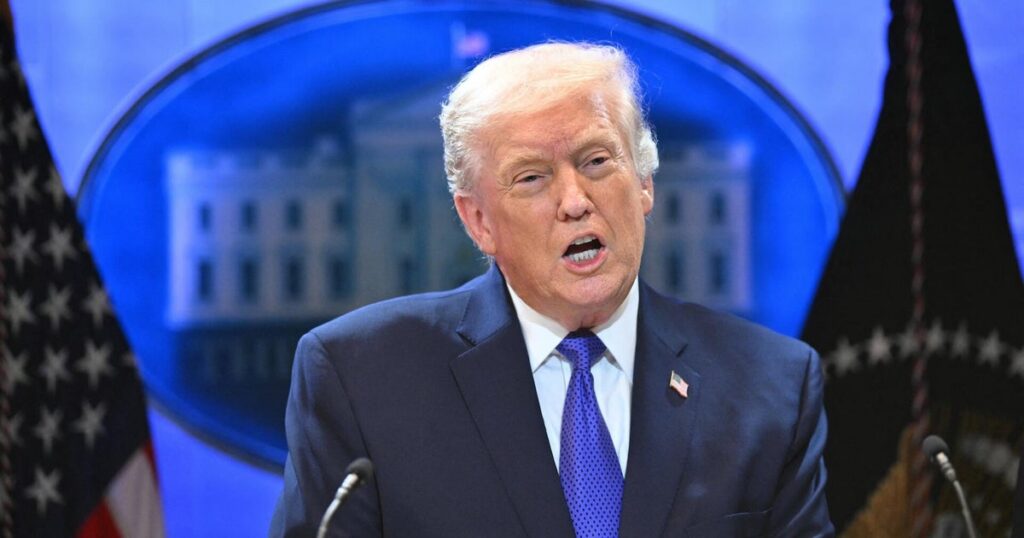
The Trump administration has launched multiple trade investigations into over a dozen countries, including the EU, China, and Mexico, focusing on "structural excess capacity" in manufacturing that may harm U.S. wages and market access. These probes, conducted under Section 301 of the Trade Act, aim to determine whether new tariffs should be imposed before the current global 10% tariff expires in July, with potential increases to 15% also under consideration. Additionally, separate investigations will target forced labor compliance in about 60 countries, raising concerns among U.S. trading partners and threatening recent trade agreements.
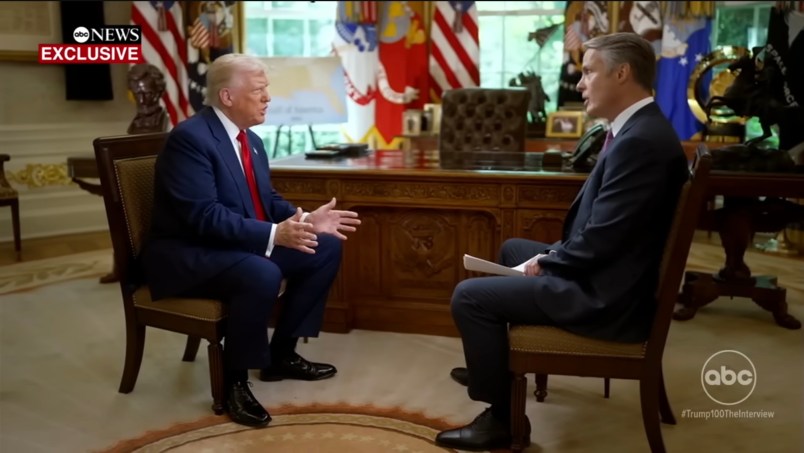
The Trump administration's decision to deport migrants to a maximum-security prison in El Salvador, using the Alien Enemies Act of 1798, has sparked constitutional debates, particularly in the case of Kilmar Abrego Garcia. Despite a Supreme Court mandate for his release, President Trump has refused to intervene, stating that the decision is not his to make. This reliance on an outdated law has raised concerns about its relevance today, with critics pointing out that many deportees have no criminal records, prompting scrutiny of the administration's deportation practices.
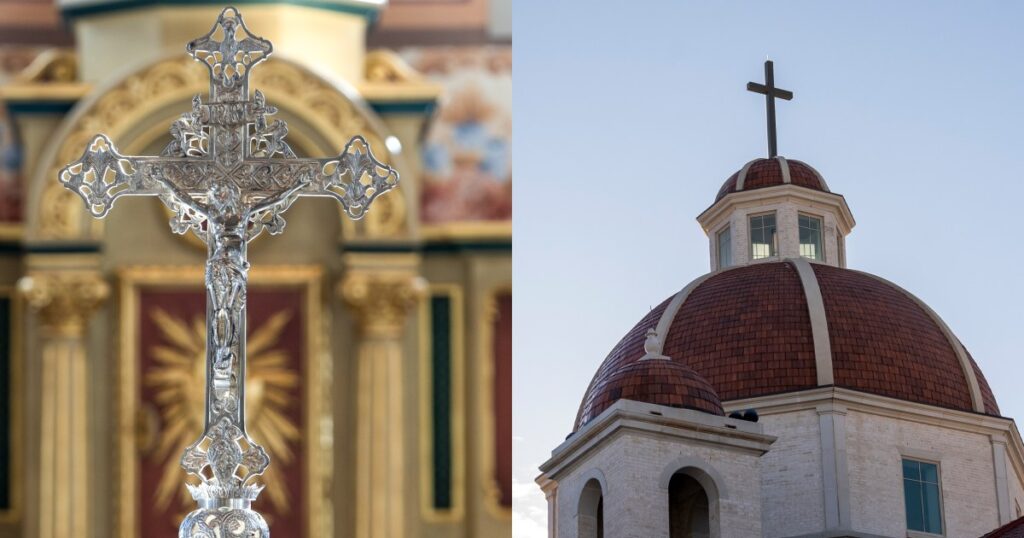
The United States Supreme Court is set to hear a pivotal case regarding the establishment of St. Isidore of Seville Catholic Virtual School in Oklahoma, which could become the nation's first religious charter school. This case has sparked debate over the potential impact on laws in 45 states, the District of Columbia, and the federal charter school program, all of which currently require charter schools to be nonsectarian. A ruling in favor of the school could lead to public funds being directed to religious institutions, challenging the separation of church and state and potentially setting a precedent for the future of public funding for religious education nationwide.