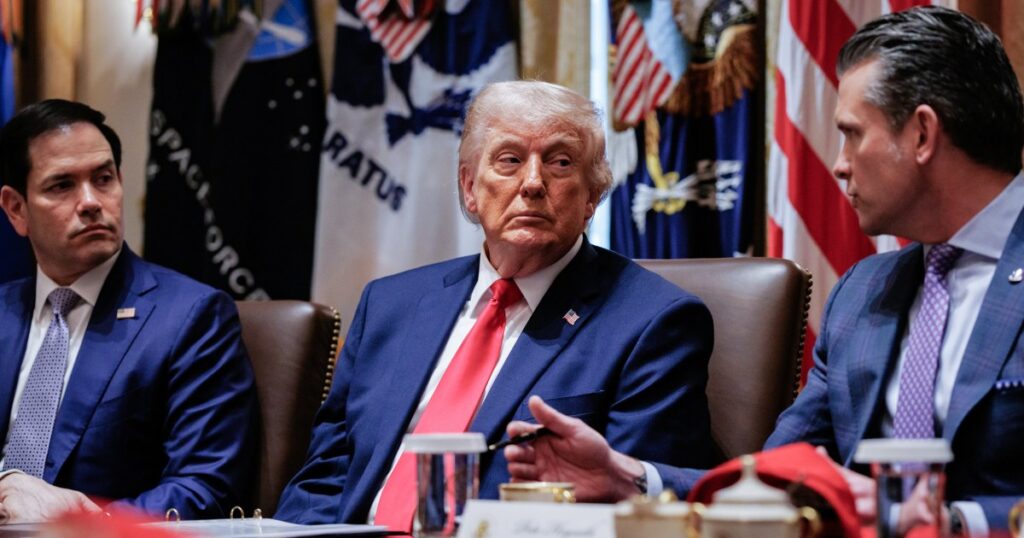
The Trump administration has launched multiple trade investigations into over a dozen countries, including the EU, China, and Mexico, focusing on "structural excess capacity" in manufacturing that may harm U.S. wages and market access. These probes, conducted under Section 301 of the Trade Act, aim to determine whether new tariffs should be imposed before the current global 10% tariff expires in July, with potential increases to 15% also under consideration. Additionally, separate investigations will target forced labor compliance in about 60 countries, raising concerns among U.S. trading partners and threatening recent trade agreements.
Posts tagged as “the Supreme Court”
The Trump administration's decision to deport migrants to a maximum-security prison in El Salvador, using the Alien Enemies Act of 1798, has sparked constitutional debates, particularly in the case of Kilmar Abrego Garcia. Despite a Supreme Court mandate for his release, President Trump has refused to intervene, stating that the decision is not his to make. This reliance on an outdated law has raised concerns about its relevance today, with critics pointing out that many deportees have no criminal records, prompting scrutiny of the administration's deportation practices.
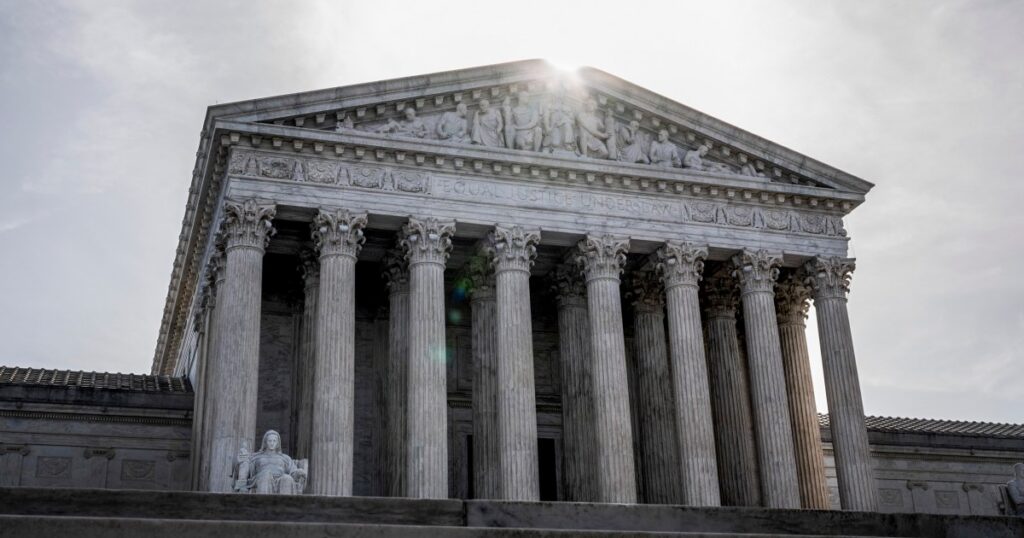
The United States Supreme Court is set to hear a pivotal case regarding the establishment of St. Isidore of Seville Catholic Virtual School in Oklahoma, which could become the nation's first religious charter school. This case has sparked debate over the potential impact on laws in 45 states, the District of Columbia, and the federal charter school program, all of which currently require charter schools to be nonsectarian. A ruling in favor of the school could lead to public funds being directed to religious institutions, challenging the separation of church and state and potentially setting a precedent for the future of public funding for religious education nationwide.
President Donald Trump has asked the Supreme Court to allow the enforcement of his administration's policy banning transgender individuals from serving in the military, following legal challenges that have blocked its implementation nationwide. The administration criticizes nationwide injunctions by federal judges, arguing they overreach judicial authority and interfere with national policy, and seeks Supreme Court intervention to proceed with the ban. Deputy Assistant Attorney General Hashim Mooppan contends that the injunction conflicts with military judgment, and the case could significantly impact both military policy authority and transgender rights.
The legal proceedings involving Kilmar Abrego Garcia, mistakenly deported to El Salvador, have been complicated by accusations against the Department of Justice under the Trump administration for delaying the discovery process. Despite court orders, including one from the Supreme Court, mandating his return to the U.S., his legal team argues that the government's restrictive interpretation of these orders is hindering efforts to secure his return. The case underscores the complexities of immigration proceedings and the importance of adhering to court mandates to ensure due process.
A federal judge in Colorado has mandated that Venezuelan migrants detained in the state receive a 21-day notice before deportation, ensuring they are informed of their right to contest the removal. This ruling, issued by U.S. District Judge Charlotte Sweeney, temporarily blocks deportations under the 1798 Alien Enemies Act within Colorado and emphasizes the need for communication in a language the migrants understand. The decision aligns with a U.S. Supreme Court order requiring adequate notice and aims to uphold the migrants' rights, highlighting ongoing legal and humanitarian concerns surrounding their deportation.
The Supreme Court is set to deliberate on a case involving families challenging the Montgomery County Board of Education's policy that mandates participation in educational content featuring LGBTQ characters, which they argue infringes on their First Amendment rights. The families claim that the policy contradicts their religious beliefs and denies them the ability to exclude their children from lessons on gender identity and sexual orientation. This case highlights the ongoing national debate over the inclusion of LGBTQ content in school curricula and the balance between religious freedoms and LGBTQ rights, with potential nationwide implications for educational policies.
The United States Supreme Court is set to deliberate on a pivotal case concerning the Affordable Care Act's provisions for preventive healthcare services, specifically focusing on the U.S. Preventive Services Task Force's role in recommending services that insurers must cover without charging patients. Originating from a federal appeals court ruling in New Orleans, the case challenges the classification and authority of the task force, with Christian employers and individuals arguing that the mandate to provide no-cost HIV prevention medication conflicts with their religious beliefs. The outcome could significantly impact the landscape of preventive healthcare coverage in the U.S., potentially altering the scope of services covered without patient cost-sharing and sparking broader discussions on healthcare policy and religious freedom.