
The Supreme Court has ruled against West Virginia officials in a case involving a law that bans transgender athletes from competing on female sports teams. The law, challenged by 12-year-old transgender girl Becky Pepper-Jackson, cannot be enforced while the case is being litigated. Justices Samuel Alito and Clarence Thomas dissented from the court's decision, which is the latest in a series of rulings that have favored transgender rights. The court is expected to issue a ruling in a separate case involving transgender rights later this year.
Posts tagged as “the Supreme Court”
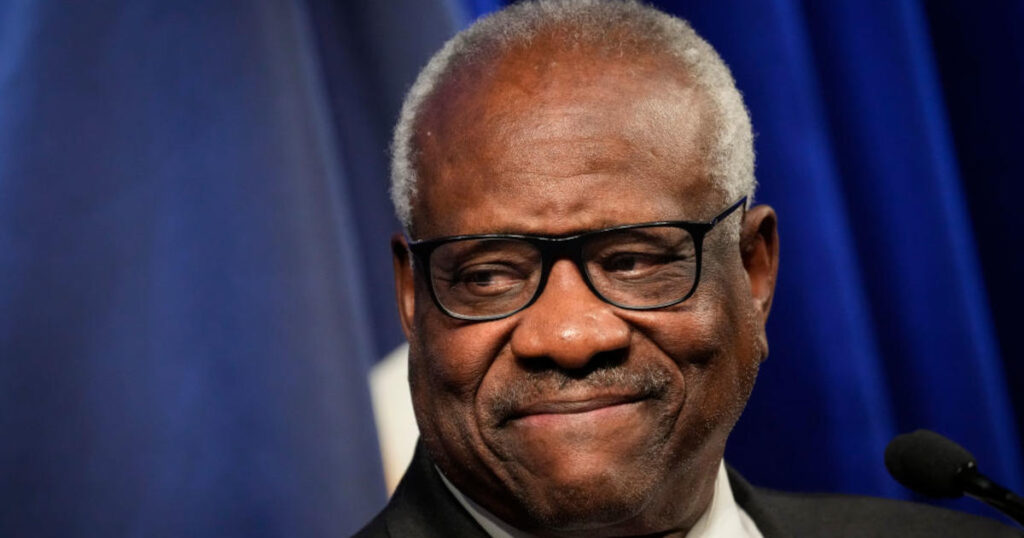
Supreme Court Justice Clarence Thomas has been taking luxury trips paid for by a Republican megadonor for decades without disclosing them, prompting criticism from Democrats and calls for stricter ethics rules. Congresswoman Alexandria Ocasio-Cortez (D-N.Y.) has called for Thomas to be impeached, while other Democratic lawmakers have argued that the court should be subject to the same ethics rules as other branches of government.
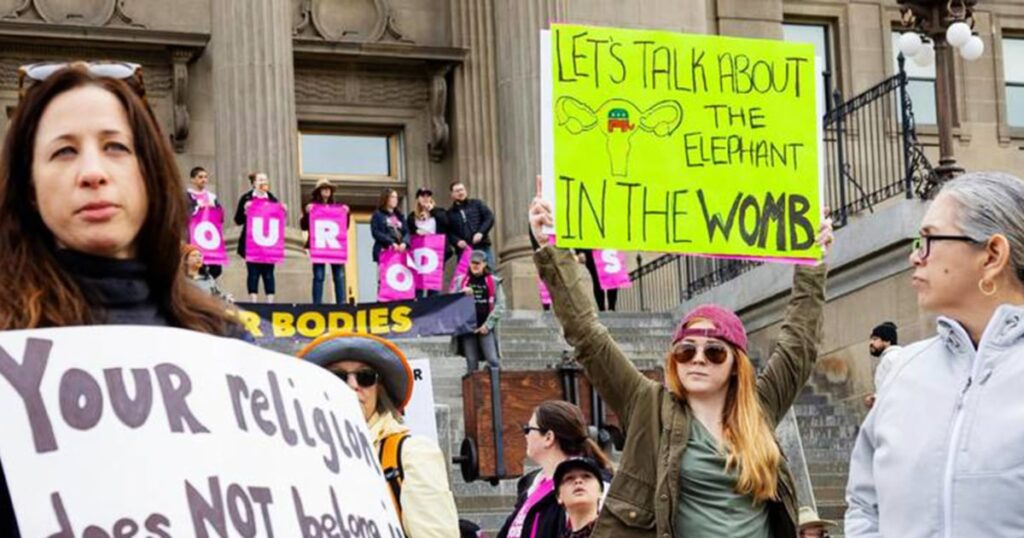
Idaho has become the first state to pass a law explicitly restricting some out-of-state travel for abortions, making it punishable by two to five years in prison to help a pregnant minor get an abortion. This is seen as a way for red states to limit access to abortion for minors, and is likely to face legal challenges as a violation of the right to privacy and a restriction on the right to travel.
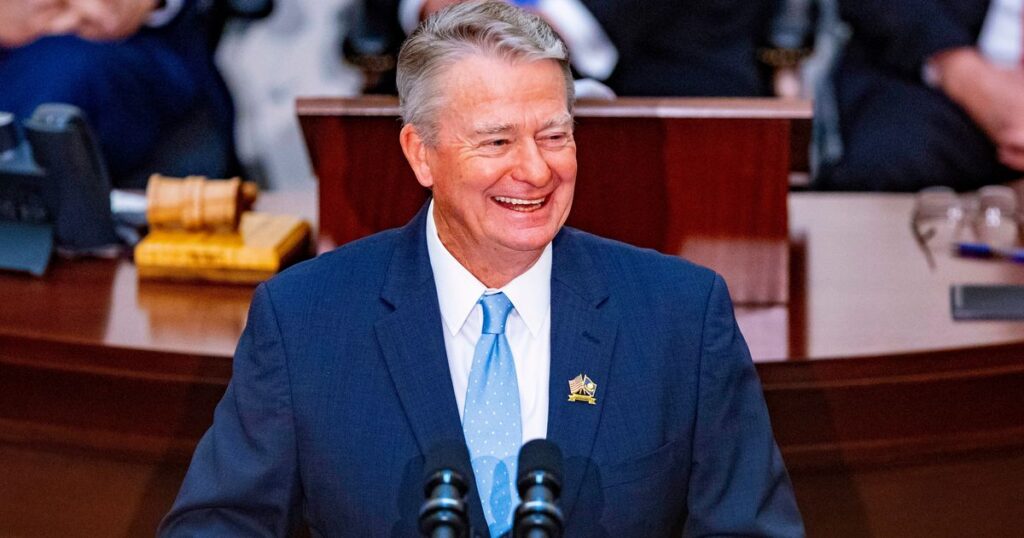
Idaho Governor Brad Little has signed a bill into law making it a felony crime for adults to help minors travel to other states for abortion care without parental consent. The law creates a new crime called "abortion trafficking" with a minimum sentence of two years in state prison, and a maximum sentence of life in prison. The bill has been met with criticism from pro-choice advocates, while proponents argue it is necessary to protect minors from making decisions with long-term consequences.
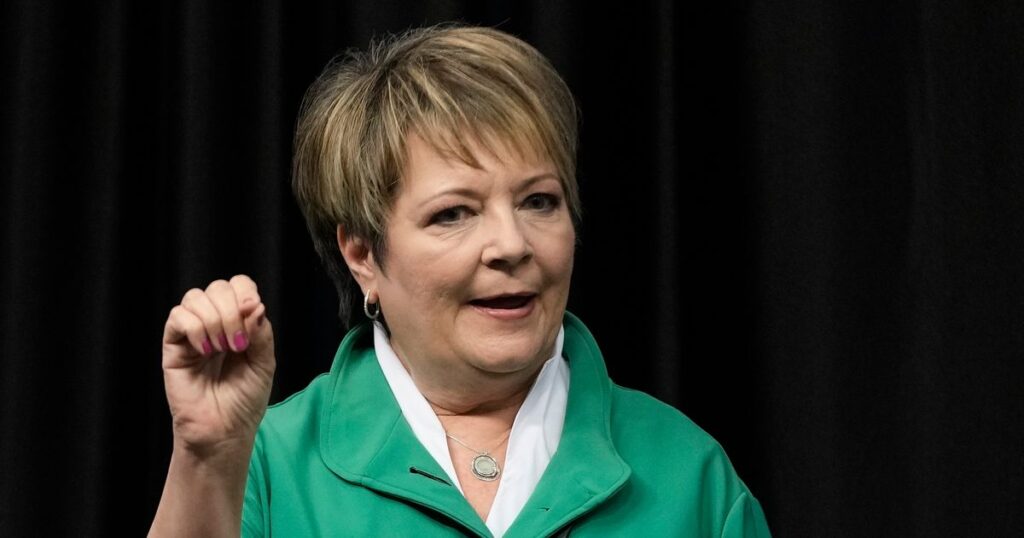
Wisconsin's Supreme Court has seen a shift in power, with liberal Judge Janet Protasiewicz winning a heated race against former Supreme Court Justice Daniel Kelly. This marks the first time since 2008 that the court's liberal bloc has held the majority, and is seen as a major win for the state's progressive movement. Protasiewicz is the first woman of color to serve on the court, and her appointment is expected to have a lasting impact on the court's decisions.

US President Joe Biden has publicly rebuked Israeli Prime Minister Benjamin Netanyahu's proposed judicial overhaul, warning that Israel “cannot continue down this road”. Netanyahu has rejected Biden's comments, while opposition leaders have seized on the open feud as a sign of the potential damage to the US-Israel relationship. Biden has reiterated his concerns, raising questions about the future of the two countries' relationship and the fate of the proposed reforms.

A 29-year-old Wisconsin man has been arrested in connection with a firebombing attack on an anti-abortion organization's office in the state's capital. The attack, which included graffiti reading "If abortions aren't safe then you aren't either", was linked to the suspect using DNA evidence from a partly eaten burrito. If convicted, he faces up to 20 years in prison and a $250,000 fine.
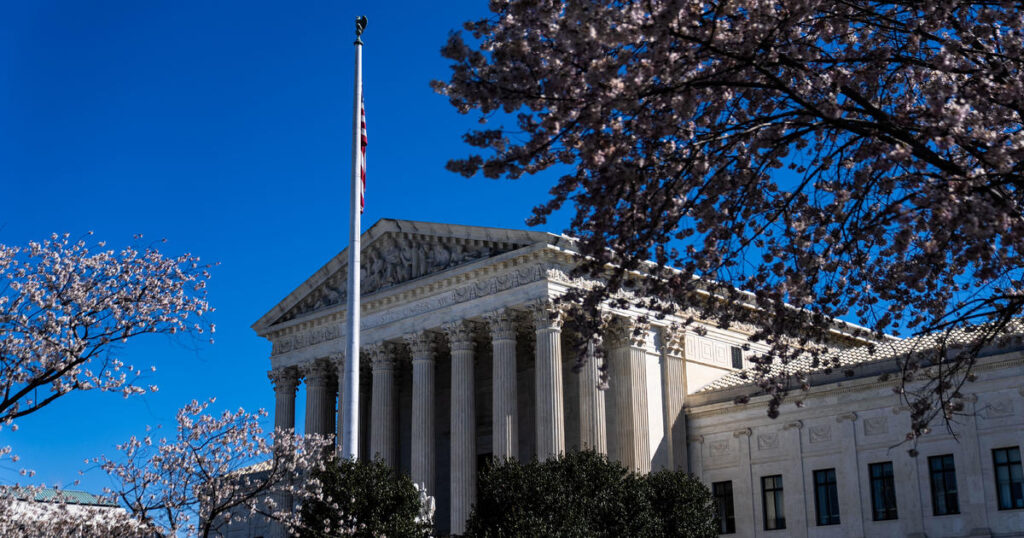
The Supreme Court has agreed to hear a case involving Deborah Laufer, a disability rights campaigner who has filed hundreds of federal lawsuits against hotels for failing to disclose accessibility information on their websites. The case centers around Acheson Hotels, which argues that Laufer does not have legal standing to bring the cases under the Americans with Disabilities Act. The outcome of this case could have a major impact on disability rights and the ability of disabled activists to hold hotels accountable for failing to disclose accessibility information.