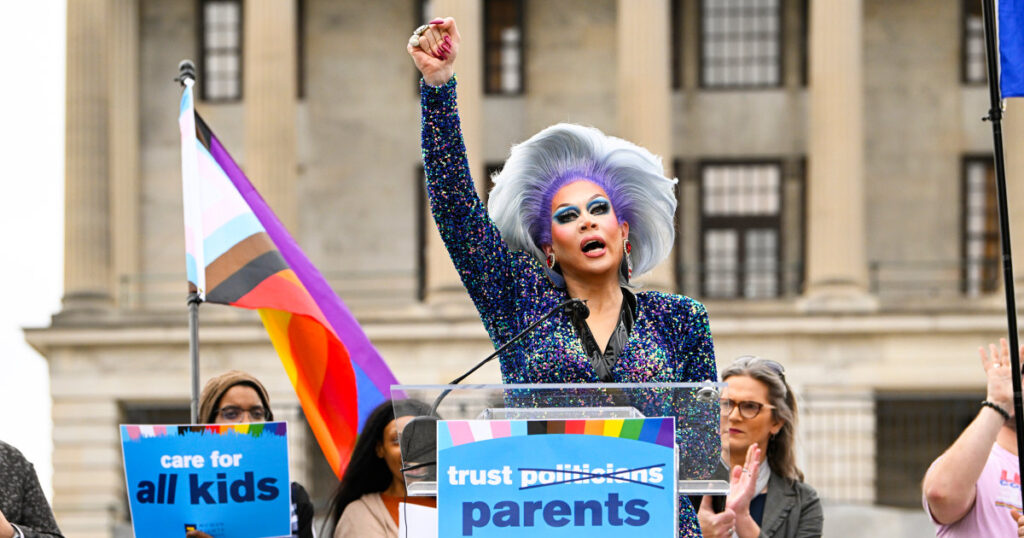
A federal judge has ruled that Tennessee's law restricting drag performances in public or where children were present is unconstitutional, striking a blow to efforts in U.S. states to regulate LGBTQ conduct. U.S. District Judge Thomas Parker noted that the First Amendment to the Constitution commands that laws infringing on freedom of speech must be narrow and well defined. This ruling is a victory for LGBTQ rights activists and a reminder of the importance of the First Amendment in protecting freedom of speech, though it is likely to be appealed.
Posts tagged as “the Supreme Court”
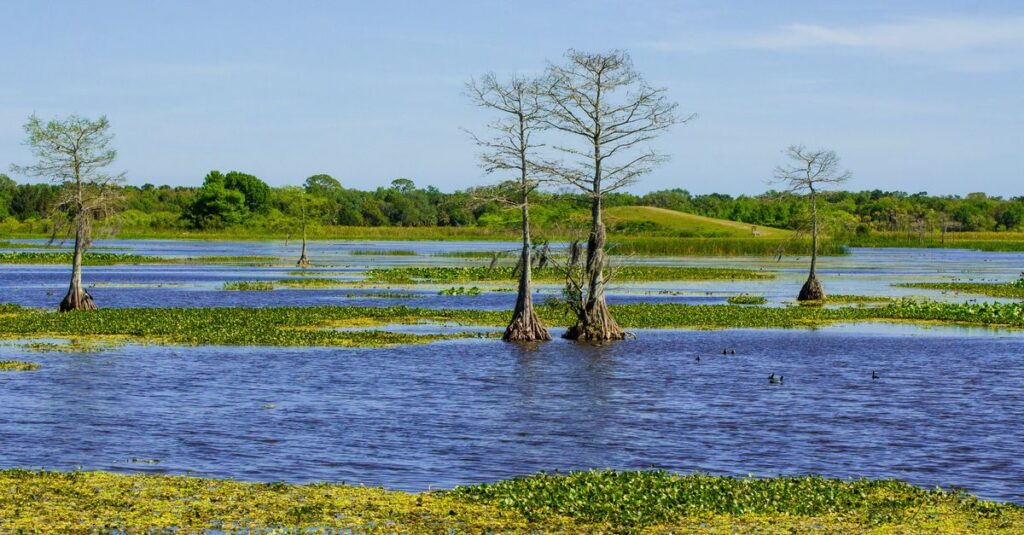
Special Counsel Jack Smith is nearing the end of his investigation into former President Donald Trump's refusal to return classified documents related to his time spent at Mar-a-Lago. This follows a legal battle from two decades ago, when the EPA brought a civil lawsuit against Michigan resident John Rapanos for filling in three wetlands on his property without federal Clean Water Act permits. Sources close to the matter have indicated that possible criminal charges could be announced in the days or weeks following Memorial Day.
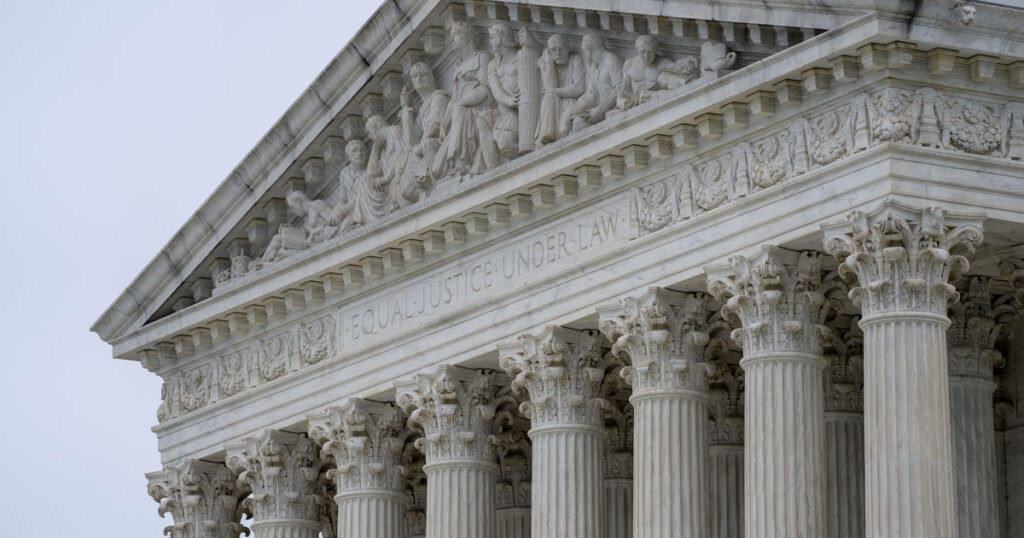
Geraldine Tyler, a 94-year-old Minneapolis resident, won a unanimous Supreme Court ruling in her claim that Hennepin County violated the Constitution when it sold her condominium and kept the entire $40,000 profit. The Court agreed that the county had taken her property without paying "just compensation" and that she can pursue her argument that the county violated the Constitution. This ruling sets a precedent for other cases involving the takings clause of the Fifth Amendment.
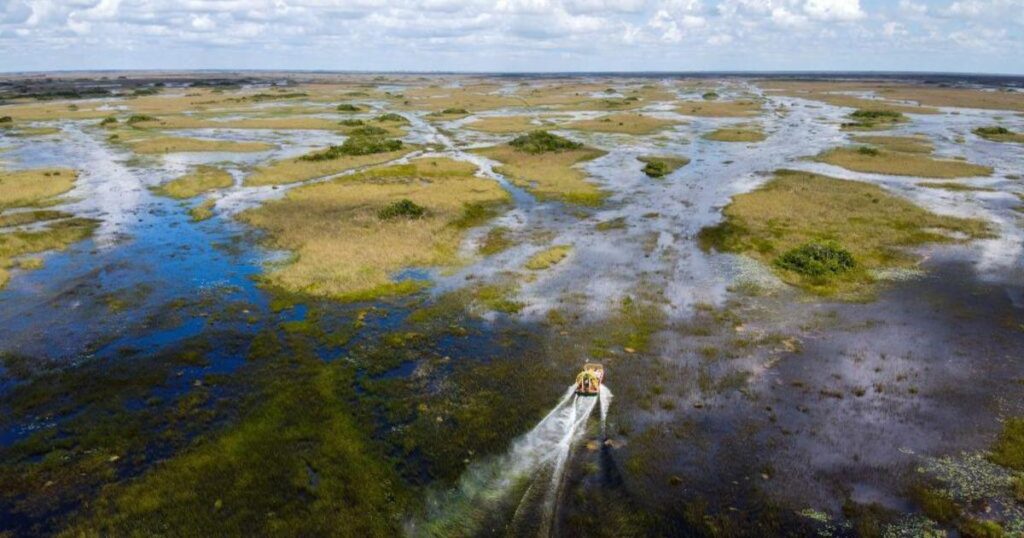
The Supreme Court ruled unanimously in favor of an Idaho couple in a landmark case that weakens the Clean Water Act. The Sacketts had challenged the EPA's compliance order claiming their land was subject to the law, arguing that their land did not contain wetlands subject to federal oversight. The decision is a major victory for property rights advocates and a setback for environmental groups, and will likely have far-reaching implications for the scope of the law and the ability of the EPA to regulate water pollution.
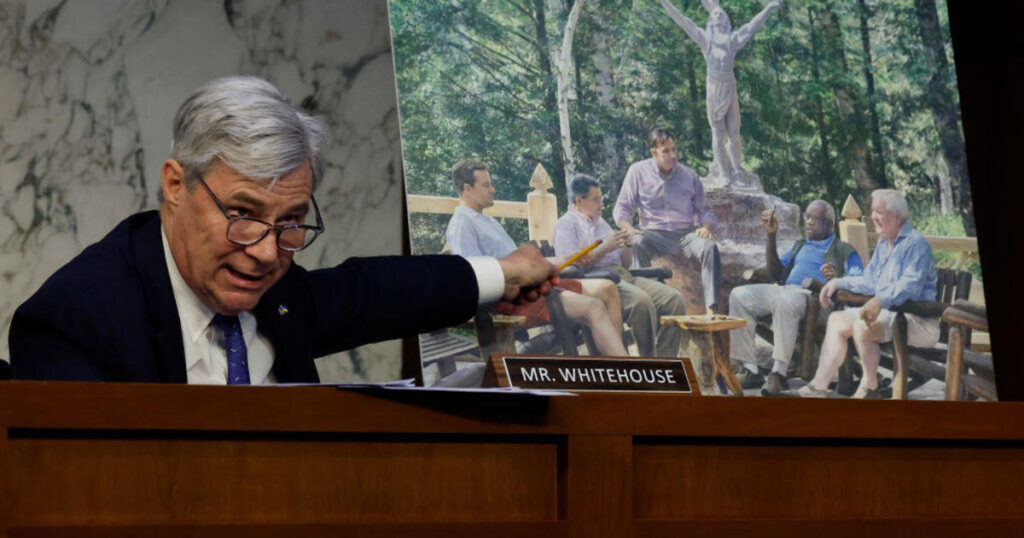
Key takeaways: The Supreme Court’s ethical conduct has come under increased scrutiny in recent months. The court has formed a committee to craft new ethics…
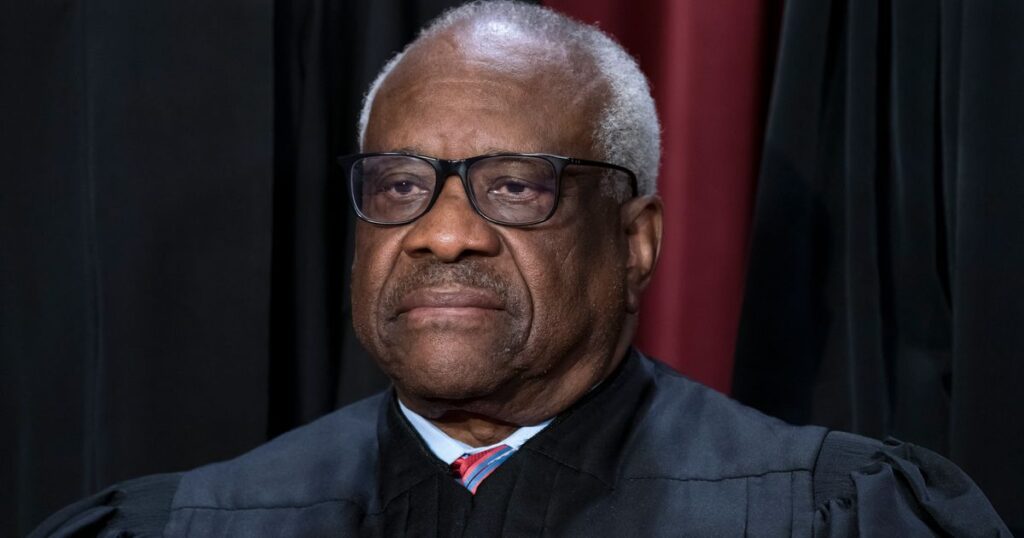
Republican donor Harlan Crow has refused to provide information to Senate Judiciary Democrats about his relationship with Supreme Court Justice Clarence Thomas, arguing that doing so would exceed Congress' authority and violate separation of powers principles. The request was made in response to questions about gifts Crow has given to Thomas that have not been disclosed, raising concerns about potential influence on Thomas' decisions. Crow's refusal is likely to fuel the controversy surrounding their relationship, with it yet to be seen if the committee will take any further action.
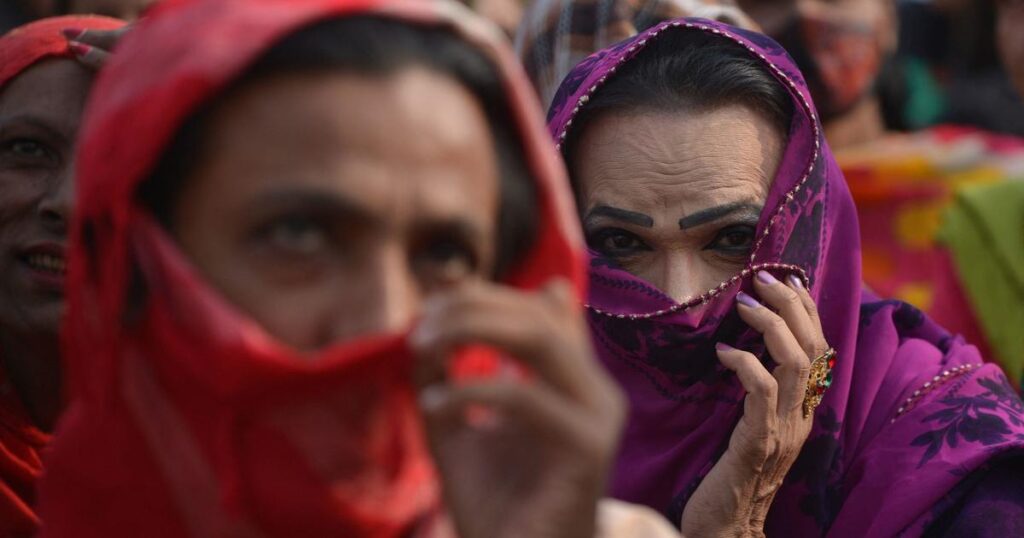
Transgender activists in Pakistan are challenging a ruling from the Federal Shariat Court that struck down several provisions of the Transgender Persons (Protection of Rights) Act, a landmark law passed in 2018 to secure the fundamental rights of transgender Pakistanis. Human rights groups have condemned the ruling and called on the government to take action to protect transgender rights. Activists are now appealing to the Supreme Court of Pakistan in the hopes of overturning the ruling and restoring the protections of the Act.
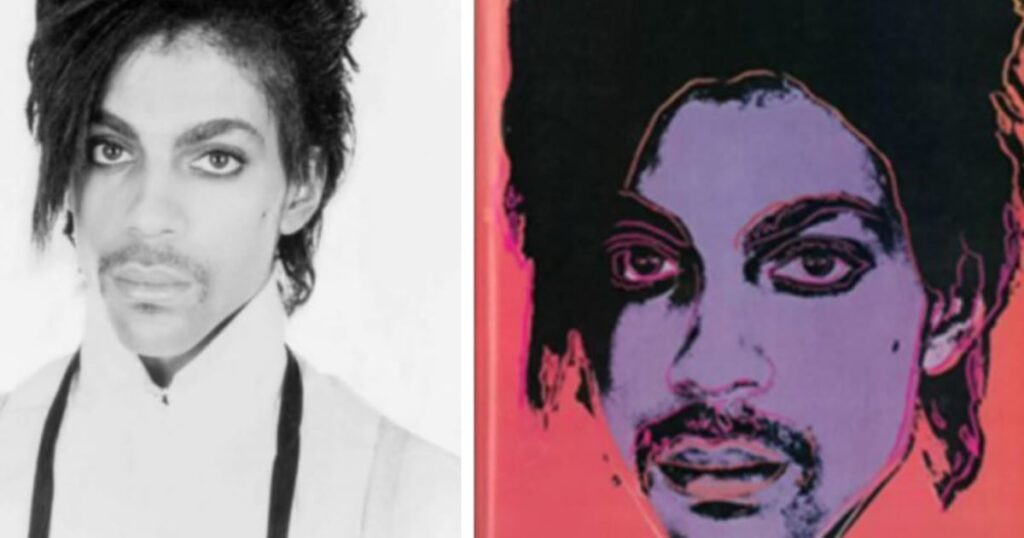
The Supreme Court ruled 7-2 in favor of photographer Lynn Goldsmith in her dispute with the Andy Warhol Foundation over the late artist's use of her 1981 photo of Prince as the basis for a silkscreen image. The ruling clarifies the issue of fair use in copyright law, and is beneficial to people who own copyrighted content upon which other works are based. It serves as a reminder to other creators that they must be mindful of copyright law when creating works based on existing material.