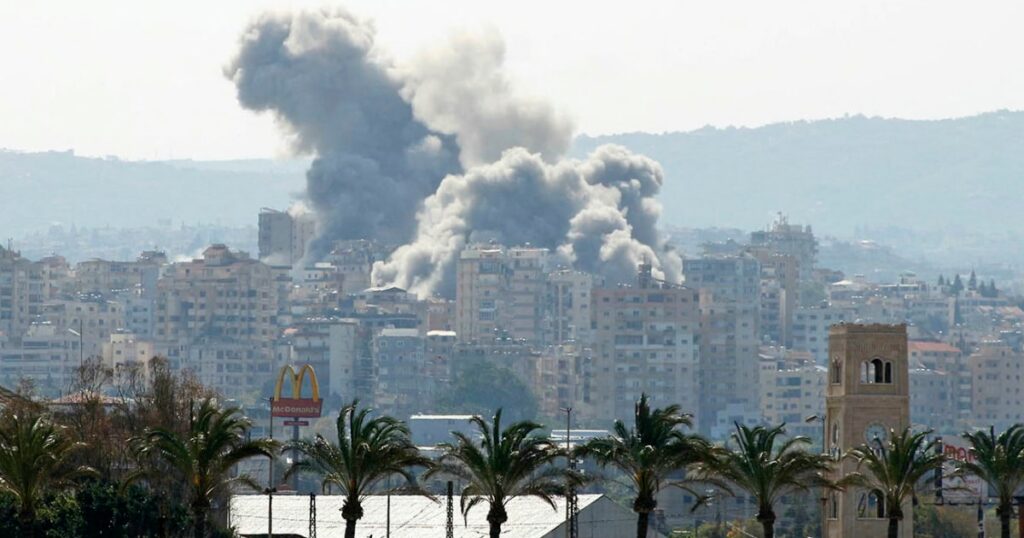
A 10-day ceasefire between Israel and Lebanon begins amid ongoing conflict with Hezbollah and regional tensions involving Iran. The truce aims to pave the way for peace talks, though challenges remain as violations and military deployments continue.
Posts tagged as “the Oval Office of the White House”
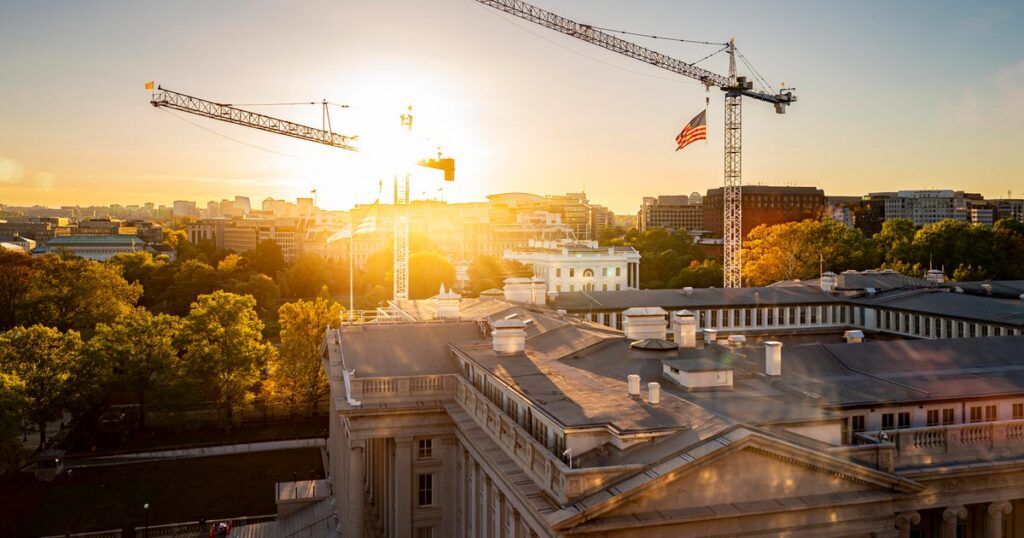
A federal judge halts above-ground construction of President Trump's White House ballroom, allowing only underground bunker work to continue amid a legal battle over national security and historic preservation.
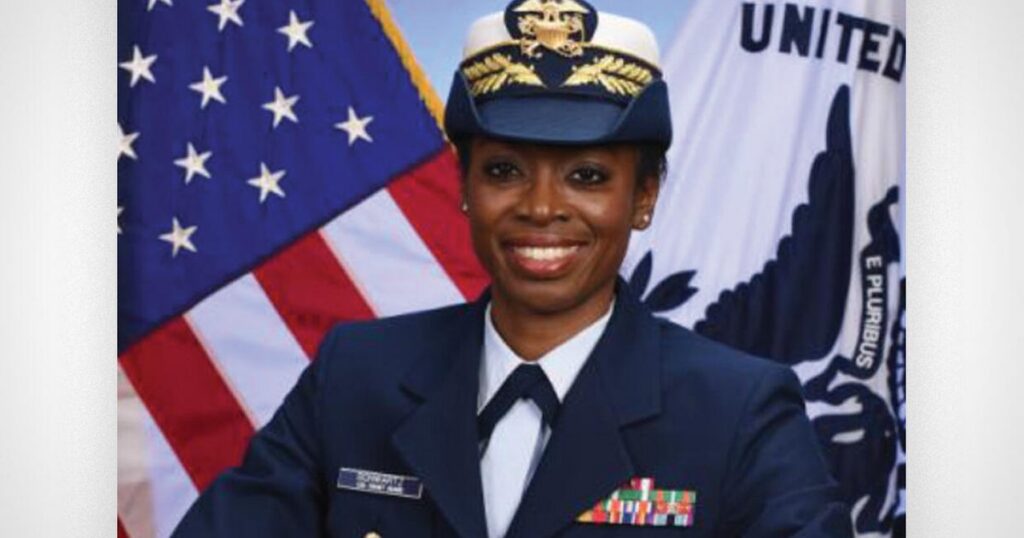
Dr. Erica Schwartz, a former deputy U.S. surgeon general and Coast Guard rear admiral, is the leading candidate to become the next CDC director. The nomination requires former President Trump’s approval amid ongoing agency challenges and vaccine policy controversies.
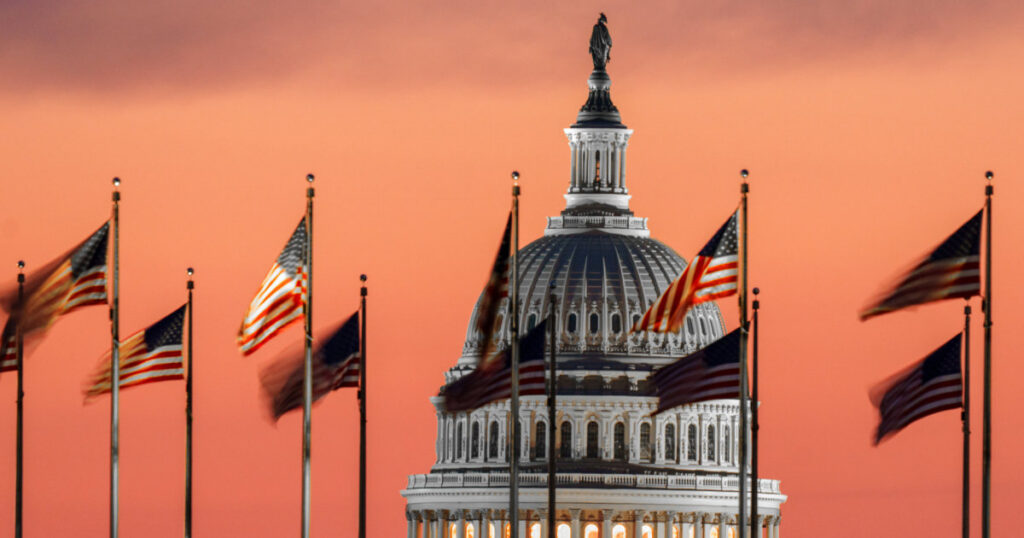
Congress returns to Washington facing critical votes on the Iran war, a prolonged DHS shutdown, and potential expulsions of members amid misconduct allegations. Lawmakers grapple with funding disputes, war powers limits, and ethics investigations as tensions rise.
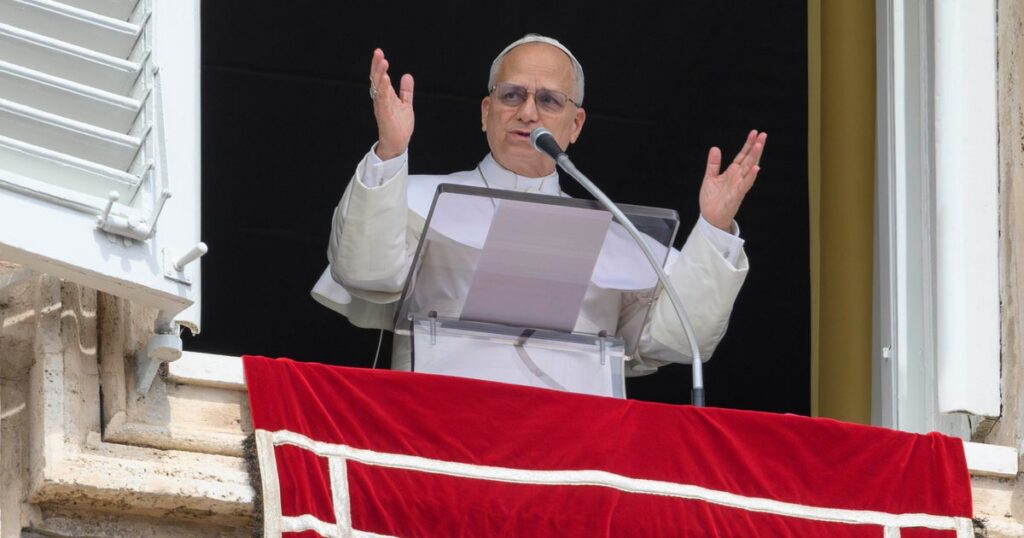
Pope Leo XIV rejects President Trump's accusations of weakness and poor foreign policy, reaffirming his commitment to peace rooted in the gospel. Trump criticized the pope's stance on crime and Iran, prompting a rare direct response from the pontiff during an African tour.
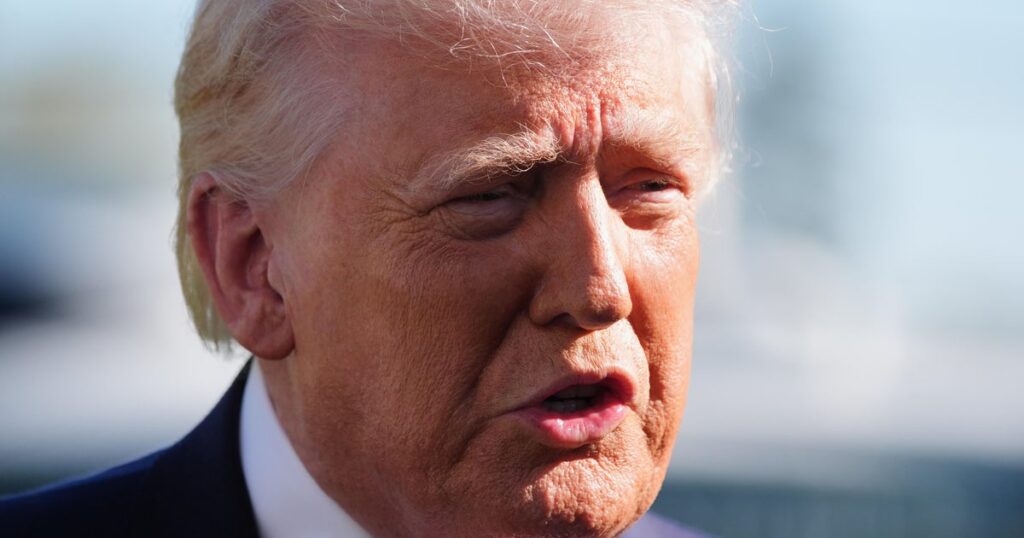
The U.S. will begin blockading ships entering and exiting Iranian ports in the Strait of Hormuz on Monday, escalating tensions after failed peace talks with Iran. The move has sent oil prices soaring and drawn mixed responses from international allies.
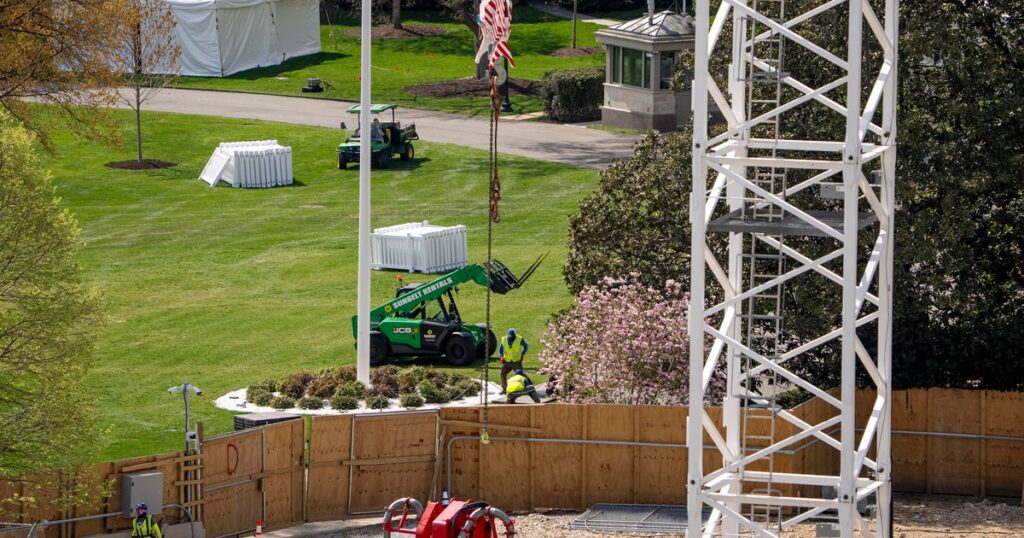
A federal appeals court temporarily allows construction of President Trump's White House ballroom to continue while sending the case back to a lower court to clarify national security concerns. The project faces legal challenges over presidential authority and historic preservation.
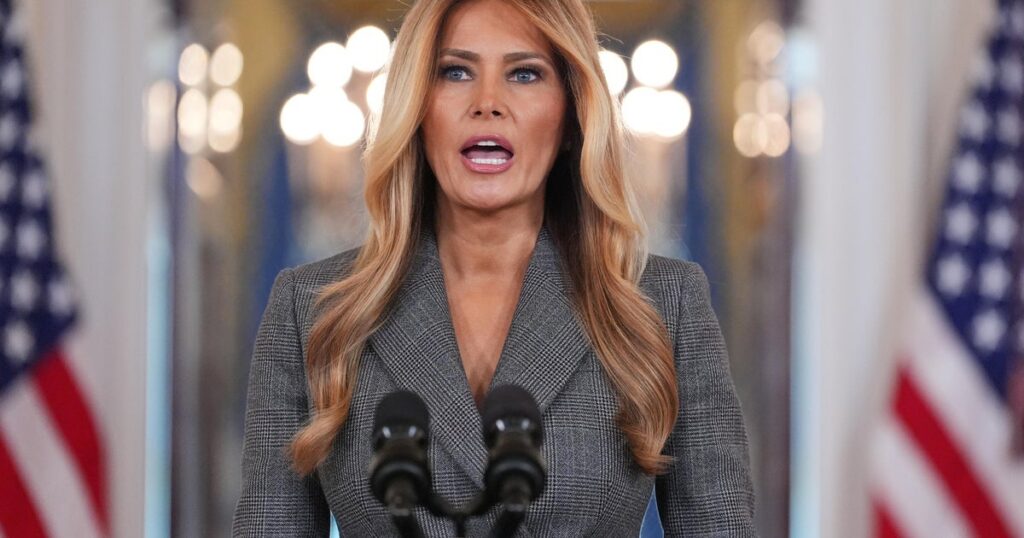
First Lady Melania Trump denies any relationship with Jeffrey Epstein and calls on Congress to hold a public hearing for survivors to testify under oath. She warns against circulating false images and statements about her connection to Epstein.