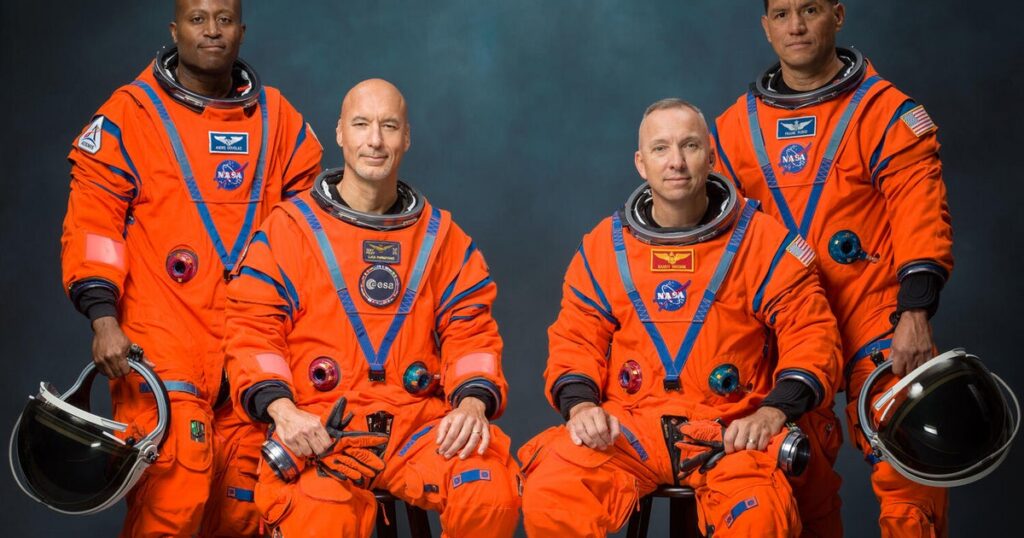
NASA Administrator Jared Isaacman defended the all-male Artemis III crew after criticism online, saying the astronauts were chosen for experience, skills and availability. The 2027 mission will test Orion docking operations with SpaceX and Blue Origin moon landers in Earth orbit.
Posts tagged as “The European Space Agency”
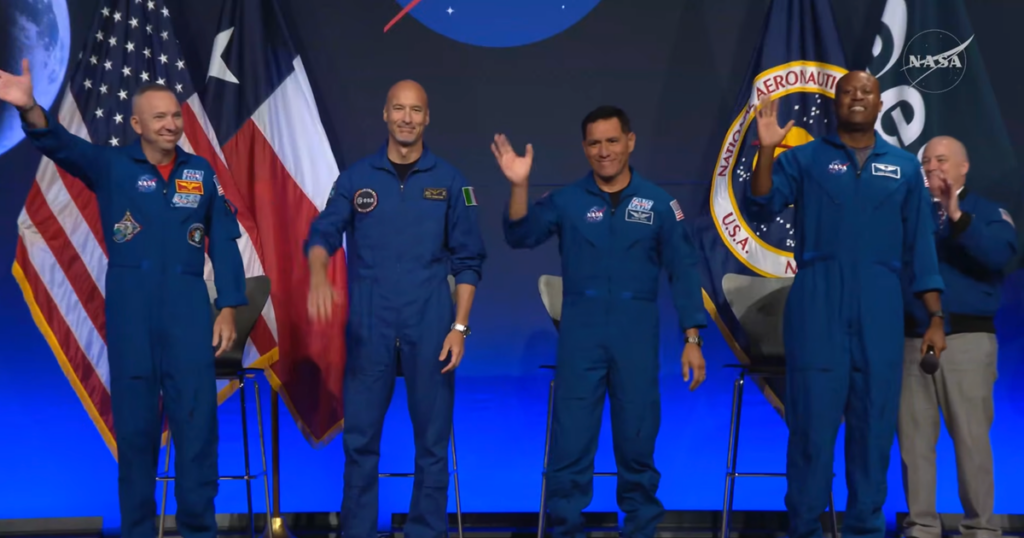
NASA named Randy Bresnik, Luca Parmitano, Frank Rubio and Andre Douglas to the Artemis III crew. The mission will test lunar lander rendezvous and docking in Earth orbit before a planned moon landing attempt in 2028.
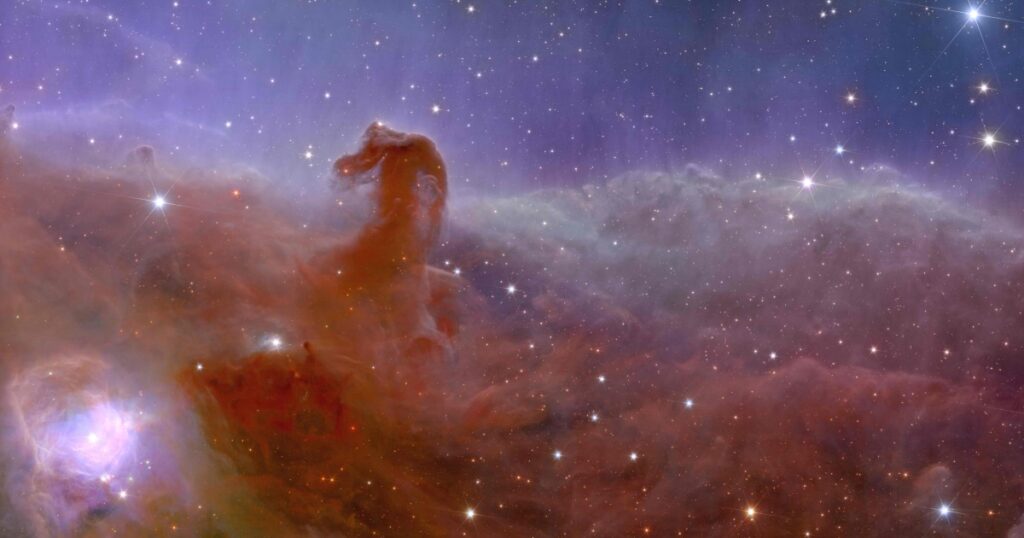
The European Space Agency's Euclid telescope has released its first color images, showcasing galaxies, clusters of stars, and stellar nurseries. The telescope is part of a mission to probe the nature of dark energy and dark matter, and one of the images is of the Perseus galaxy cluster, containing thousands of galaxies embedded in a vast cloud of hot gas. The mission is expected to provide new insights into the nature of dark energy and dark matter, and will be launched in 2022.
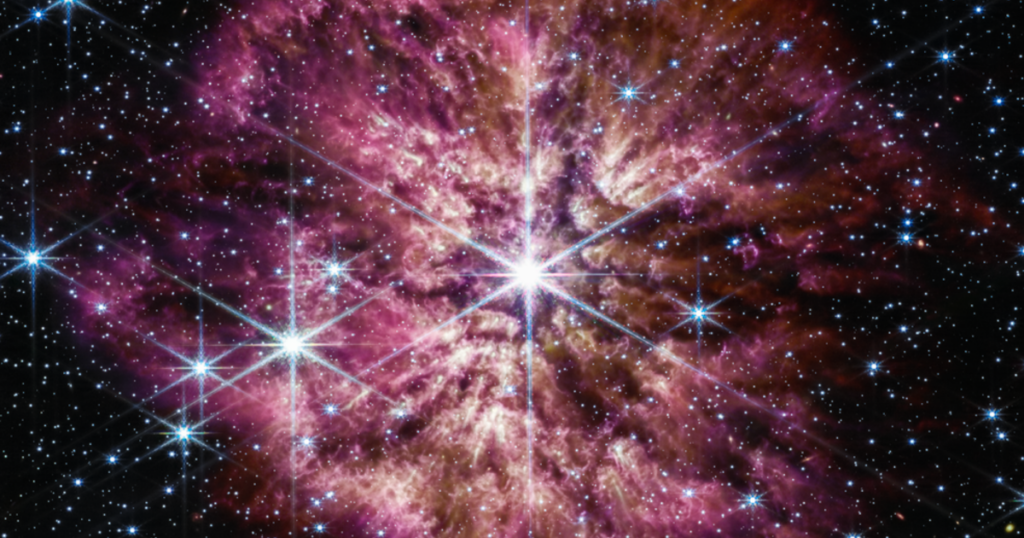
NASA's James Webb Space Telescope has captured an unprecedented image of WR 124, a Wolf-Rayet star in the Sagittarius constellation 15,000 light-years away. This massive star is in the brief Wolf-Rayet phase before going supernova, and Webb's observations of this rare phase are valuable to astronomers. The telescope is a joint project between NASA, the European Space Agency, and the Canadian Space Agency and is set to launch in 2021, providing astronomers with the most powerful space telescope ever built to study stars, galaxies, and planets, and search for signs of life.
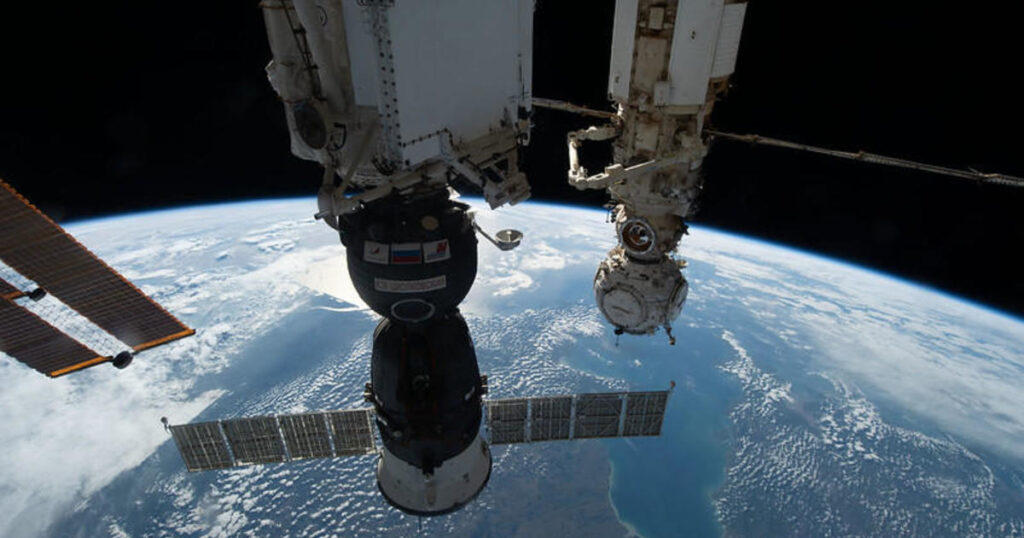
A coolant leak on a Russian supply ship docked to the International Space Station (ISS) has caused the launch of a replacement Soyuz capsule to be postponed until March. The leak was discovered on the Soyuz MS-22 crew ferry ship, which was docked at the Russian Rassvet module, and is believed to have been caused by a presumed micrometeoroid impact in December. The delay of the Soyuz capsule launch will not affect the operations of the ISS, as there are currently three crew members on board.
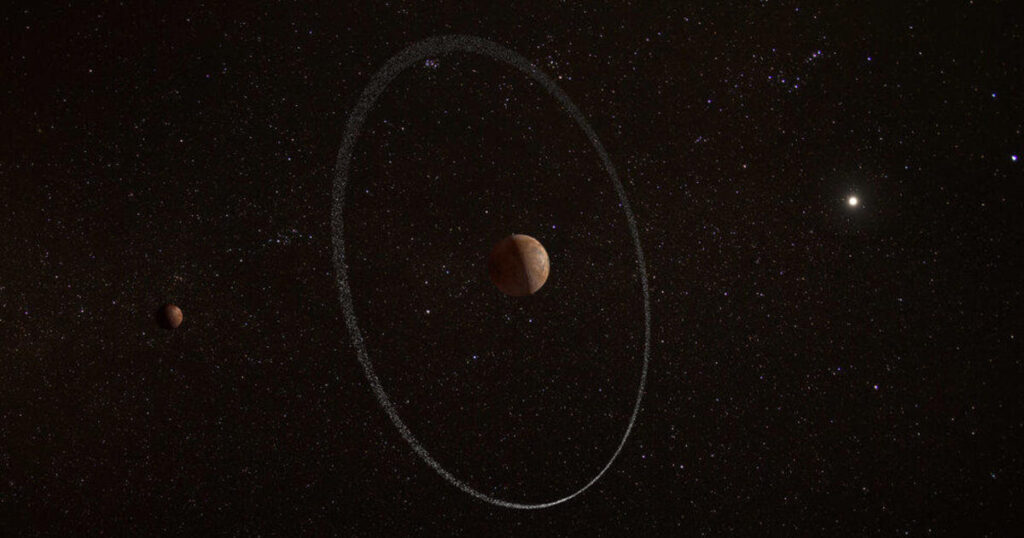
Scientists at the European Space Agency have made a surprising discovery about a dwarf planet in the outer reaches of the solar system: Quaoar has a dense ring around it, farther away from it than previously believed. This discovery was made using data from ground-based telescopes and the space-based telescope Cheops, when the planet blocked light from a distant star. Scientists and astronomers are now working to better understand the ring and its origin, as it could provide new insights into the formation of our solar system.