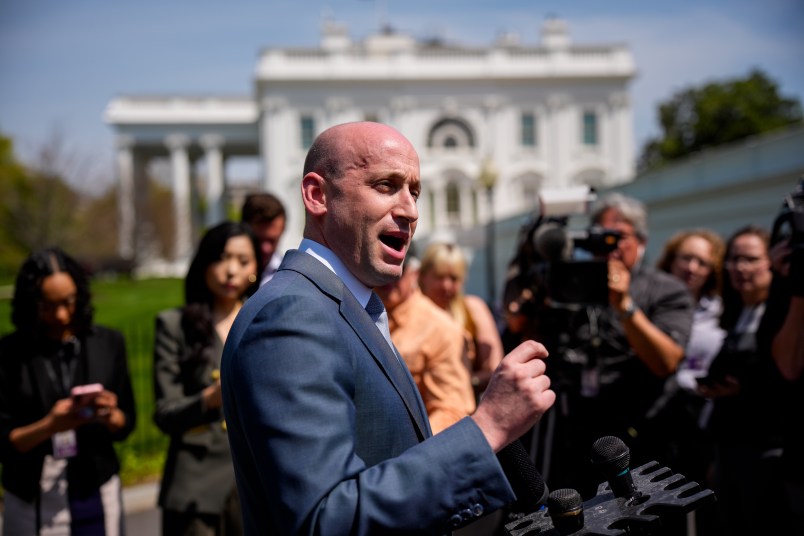
President Donald Trump is marking his 100th day in office with a visit to Macomb County, Michigan, a key region for his electoral base, highlighting his efforts to reshape the political landscape. During his early tenure, Trump has focused on transforming American governance, notably impacting the Department of Justice's Civil Rights Division, which has seen significant turnover and a shift in priorities. As Trump reflects on his initial 100 days, the nation continues to debate the implications of his policies on civil rights and the broader societal and governmental changes under his administration.
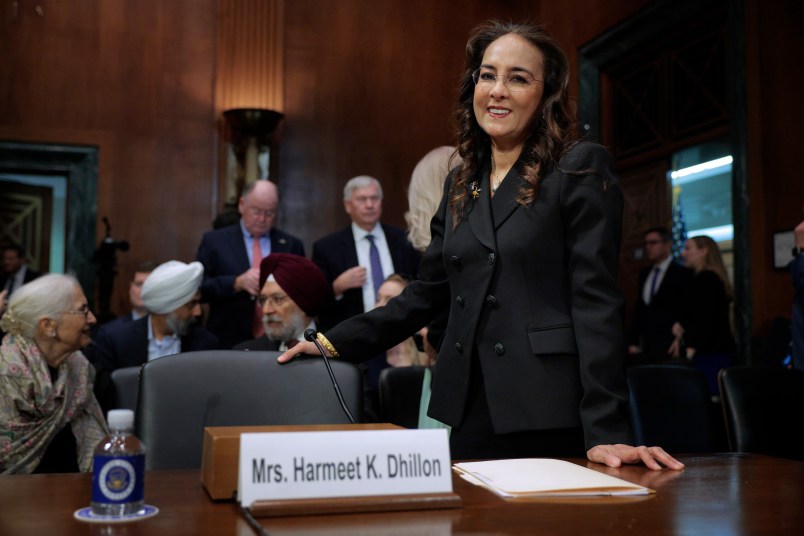
Posts tagged as “the Civil Rights Division of the Department of Justice”
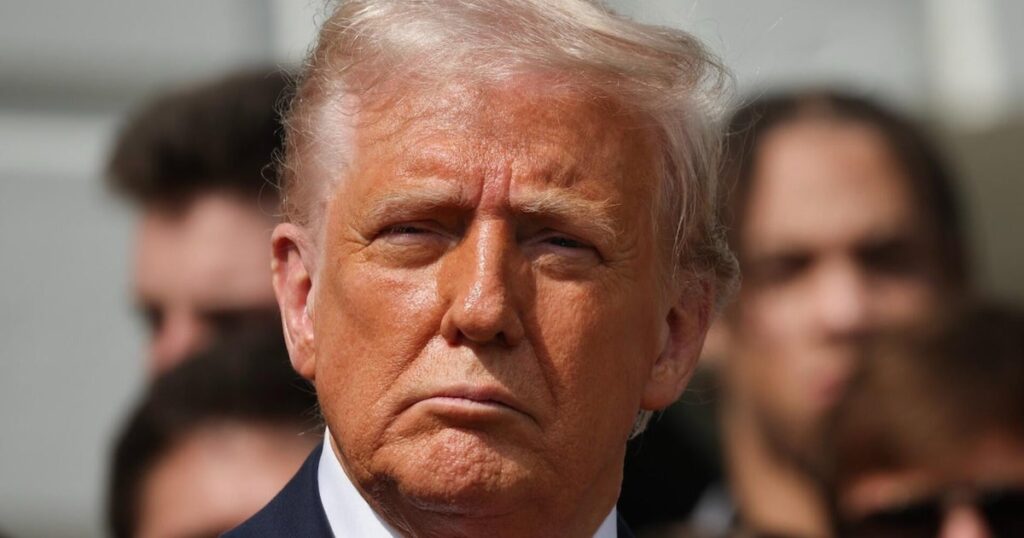
The legal proceedings involving Kilmar Abrego Garcia, mistakenly deported to El Salvador, have been complicated by accusations against the Department of Justice under the Trump administration for delaying the discovery process. Despite court orders, including one from the Supreme Court, mandating his return to the U.S., his legal team argues that the government's restrictive interpretation of these orders is hindering efforts to secure his return. The case underscores the complexities of immigration proceedings and the importance of adhering to court mandates to ensure due process.
D.C. Chief Judge James Boasberg issued a 46-page opinion criticizing the Trump administration for using the Alien Enemies Act of 1798 to deport over 100 Venezuelans to El Salvador, accusing them of ignoring court orders and depriving individuals of due process. Boasberg highlighted the administration's use of rarely invoked wartime powers to justify these deportations and expressed concern over efforts to minimize judicial intervention. He warned of potential legal consequences, including hearings and criminal charges, if the administration does not change its course, emphasizing the gravity of the situation and raising questions about the balance of power between the executive branch and the judiciary.
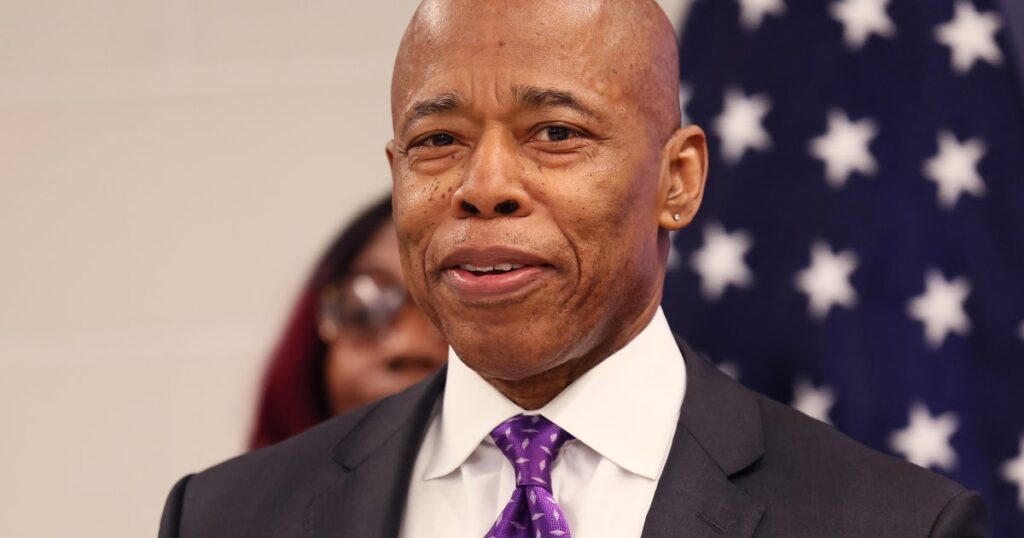
A federal judge has permanently dismissed corruption charges against New York City Mayor Eric Adams, concluding a significant legal chapter with a "with prejudice" ruling that prevents retrial on the same charges. Judge Dale Ho's decision aligns with arguments from Paul Clement, who emphasized the need to avoid any perception of ongoing political pressure on the mayor. This resolution allows Mayor Adams to continue his duties without the threat of legal proceedings, as neither the Department of Justice nor the mayor's office has commented on the outcome.
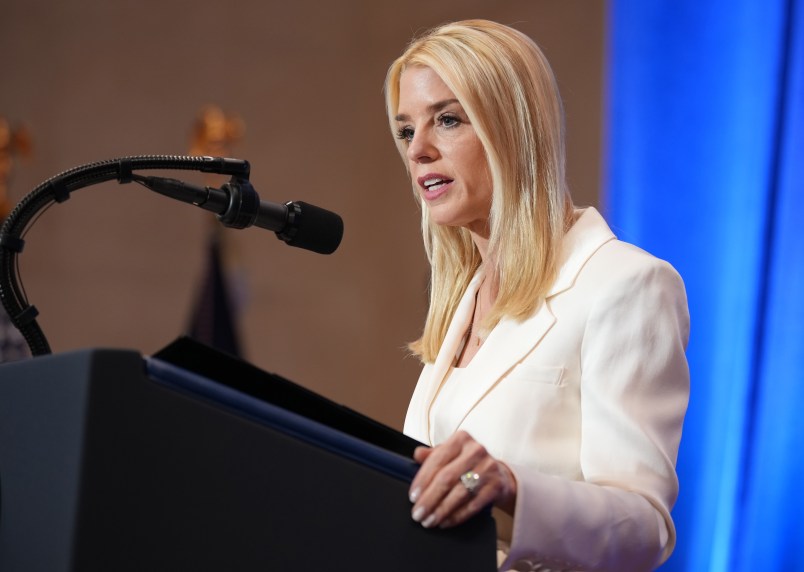
Pam Bondi, a former Florida Attorney General, has issued a warning to those criticizing Elon Musk, highlighting concerns about the Department of Justice under Trump's administration aligning with White House interests to protect Musk's business ventures. Critics argue that this reflects a broader pattern of the administration using governmental institutions to target political adversaries, raising questions about the impartiality of these entities. Additionally, Elon Musk's participation in a Cabinet meeting with Trump, where fiscal prudence was emphasized, underscores the close relationship between Musk and the administration, prompting discussions on the influence of business figures in politics.
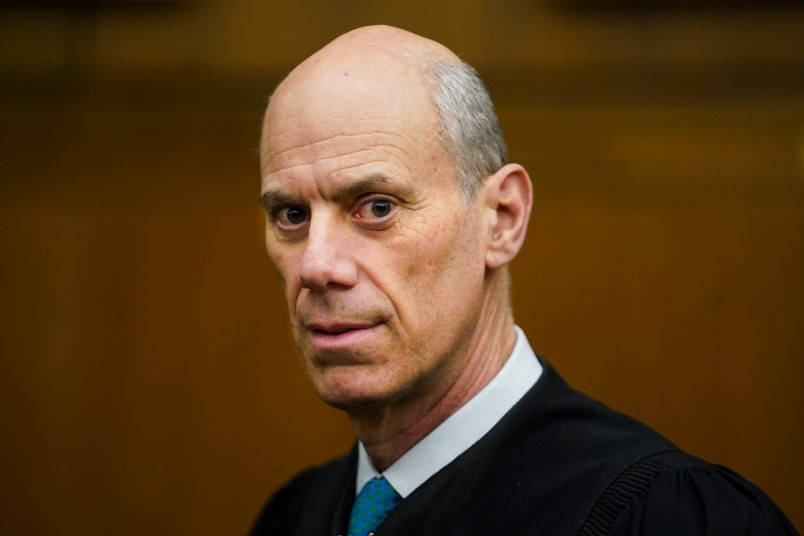
Tensions have risen between the U.S. Department of Justice and D.C. District Chief Judge James Boasberg over the disclosure of details about deportation flights conducted under the Trump administration's Alien Enemies Act. Judge Boasberg has requested specific information to assess compliance with a previous order, while the Justice Department argues that such demands interfere with executive functions and may invoke the state secrets privilege to withhold sensitive information. This legal dispute underscores the broader conflict between judicial oversight and executive authority in immigration enforcement, with potential implications for future interactions between these branches of government.

The Department of Justice (DOJ) has filed a request to delay a deadline set by District Judge James Boasberg, which required the Trump administration to provide detailed information about deportation flights to El Salvador. The DOJ opposes Judge Boasberg's directive, describing it as "digressive micromanagement" and an "unnecessary judicial fishing" expedition, highlighting tensions between the DOJ and the judiciary. This legal dispute underscores ongoing conflicts over immigration enforcement and judicial oversight, with potential implications for how deportation orders are executed and the role of judicial intervention.
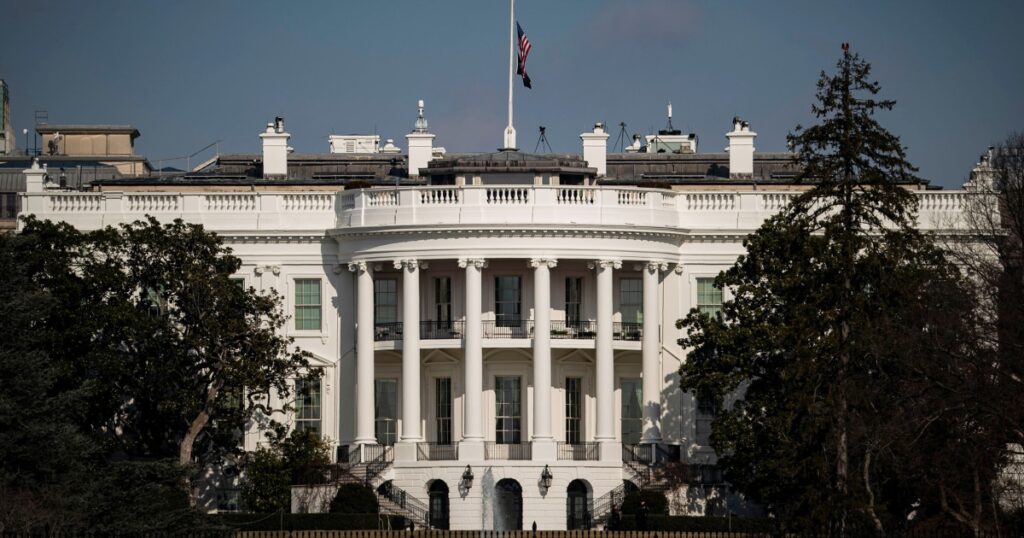
A U.S. appeals court has temporarily allowed the Trump administration to enforce a ban on diversity, equity, and inclusion (DEI) programs within federal agencies and businesses with government contracts, overturning a previous block by a federal judge. The Richmond-based 4th U.S. Circuit Court of Appeals found the executive orders likely constitutional, despite concerns about potential First Amendment issues. While the ruling marks a victory for the administration, the judges acknowledged the need for a more nuanced approach, indicating that the constitutional implications of these measures could lead to further legal challenges.