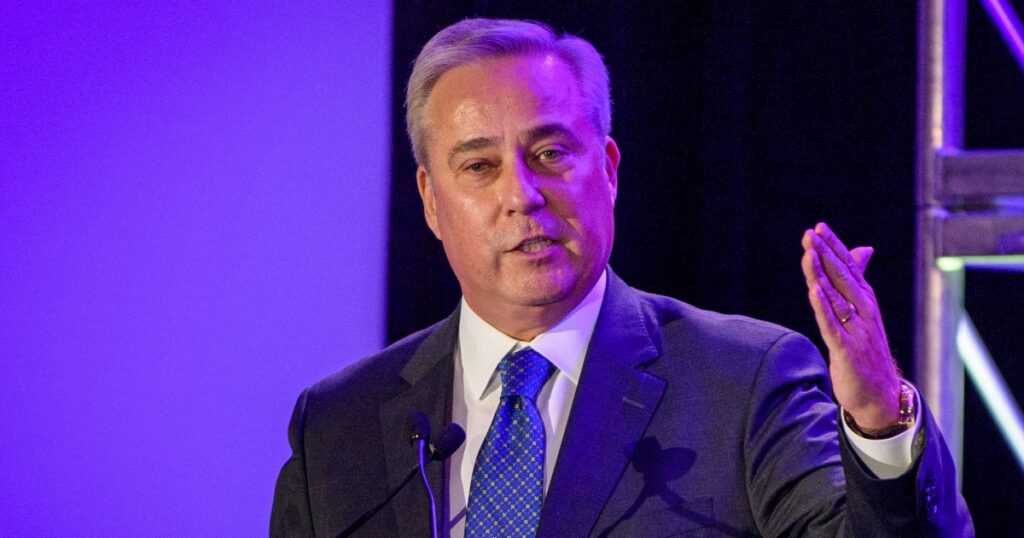
A federal judge blocks Nexstar Media Group's $6.2 billion acquisition of Tegna, citing antitrust concerns raised by state attorneys general and DirecTV. The merger, which would create a media giant owning 265 TV stations, is paused pending resolution of a lawsuit alleging harm to competition and local journalism.
Posts tagged as “the Civil Rights Division of the Department of Justice”

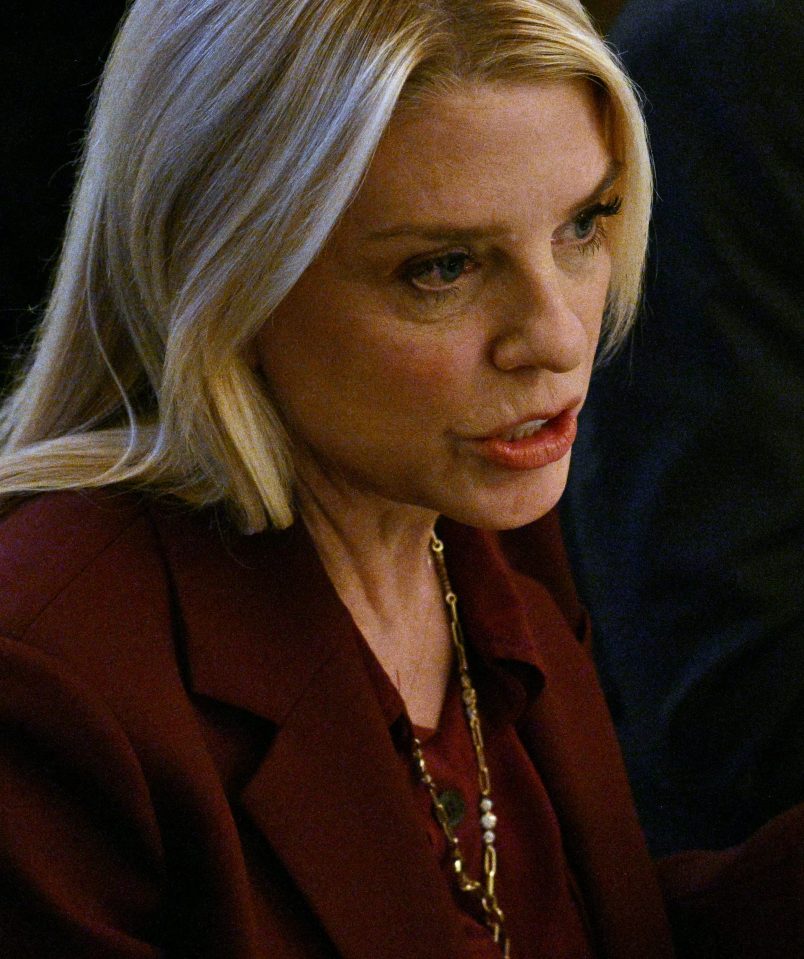
Former Attorney General Pam Bondi will not appear for a scheduled deposition on April 14 regarding the Justice Department's handling of the Jeffrey Epstein investigation, citing her departure from office. The House Oversight Committee insists the subpoena remains valid and threatens contempt charges if she refuses to testify.

Nine people, including rappers Pooh Shiesty and Big30, face federal charges after allegedly kidnapping and robbing rapper Gucci Mane at a Dallas recording studio in January. The group reportedly forced Mane to sign contract release papers at gunpoint before robbing others in the studio.
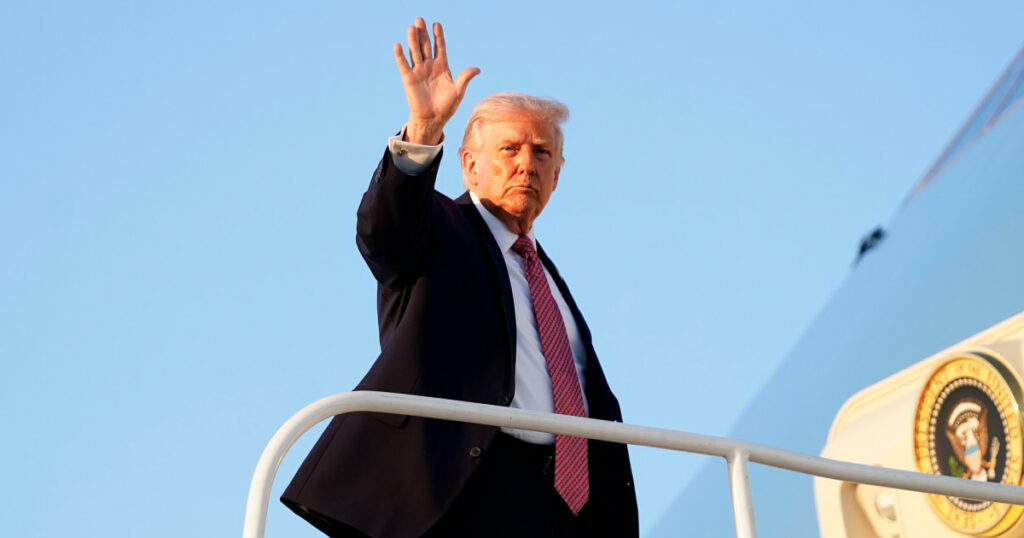
Amid ongoing tensions with Iran, President Trump has continued to play golf, describing it as a way to relax while asserting that the U.S. has significantly weakened Iran’s military and that the conflict is nearing resolution. Meanwhile, the partial shutdown of the Department of Homeland Security has caused operational disruptions and financial strain for TSA workers, with political divisions in Congress preventing a unified funding solution. Concurrently, the Department of Justice is intensifying election-related investigations, sparking debate over election integrity, while multiple legal and political controversies, including immigration enforcement and Supreme Court cases, contribute to a complex national environment.
Robert Frazer, a veteran prosecutor with over 20 years in the New Jersey U.S. attorney’s office, has been appointed interim U.S. attorney, ending nearly a year of legal disputes and leadership turmoil following controversial interim appointments by former President Trump. The prolonged conflict involved court rulings that invalidated previous appointments and criticized the DOJ’s handling, which disrupted ongoing prosecutions and eroded trust in the office. Frazer’s appointment, supported by both political parties, aims to restore stability and refocus the office on its core mission of combating crime and protecting citizens’ rights.

The FCC has approved Nexstar Media Group’s $6.2 billion acquisition of Tegna Inc., creating the largest local television station operator in the U.S. despite lawsuits from eight states and DirecTV arguing the merger will harm competition, raise consumer prices, and reduce local journalism diversity. FCC Chairman Brendan Carr defended the decision, citing regulatory waivers and conditions to promote competition and localism, while Nexstar’s CEO emphasized the deal’s importance for sustaining local journalism amid competition from Big Tech. Critics, including Democratic officials and FCC Commissioner Anna M. Gomez, condemned the approval for lacking transparency and warned it could create a broadcast monopoly, with legal challenges ongoing in federal court.

Cybersecurity firm Nisos uncovered a sophisticated North Korean scheme involving at least 20 operatives using stolen American identities to secure remote jobs at U.S. companies, funneling money back to North Korea and potentially stealing sensitive information. The investigation revealed the operatives applied to over 160,000 U.S. job roles and communicated frequently in English, with the FBI and law enforcement labeling the scheme a significant national security threat. These activities help North Korea evade sanctions and fund illicit programs, while U.S. authorities continue to address related security and political challenges domestically and internationally.
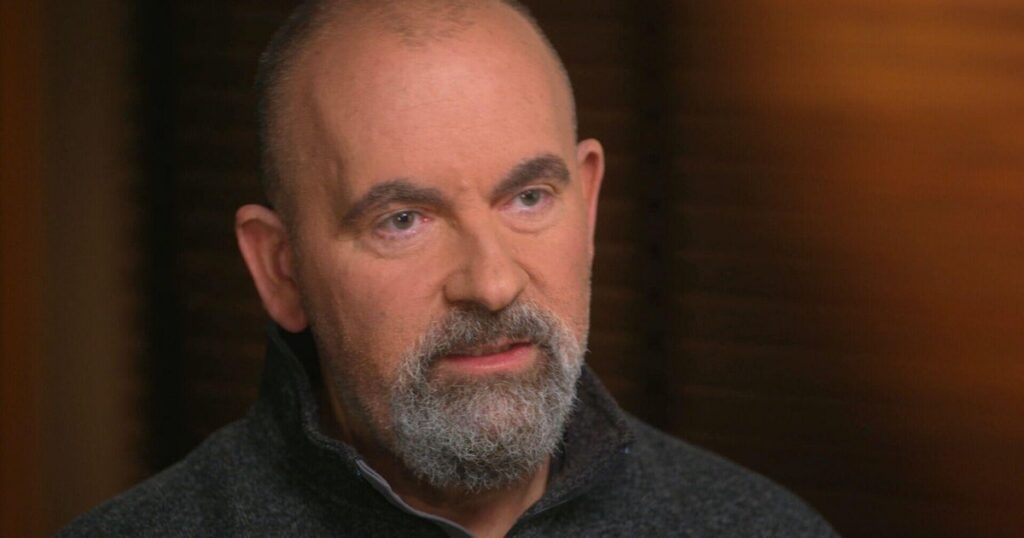
A classified U.S. intelligence mission has reportedly obtained a previously unknown weapon potentially linked to Havana Syndrome, a mysterious condition causing neurological symptoms in diplomats and government personnel since 2016. Medical research suggests that radiofrequency or microwave energy may explain these injuries, supported by animal testing of the weapon at a military base, despite official government skepticism. Meanwhile, the Department of Justice faces multiple internal controversies and investigations, including disciplinary reviews and probes into election-related matters, reflecting ongoing federal legal and political challenges.