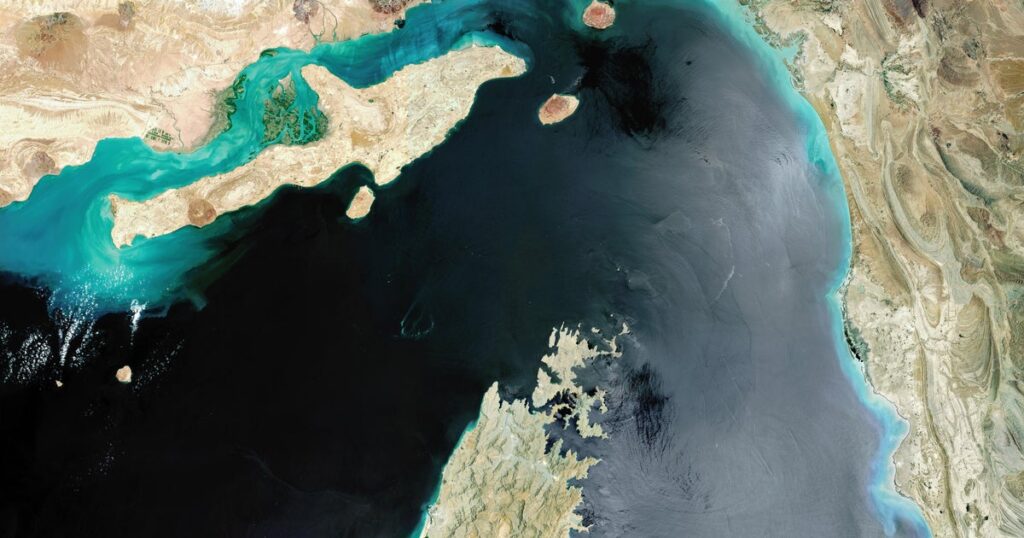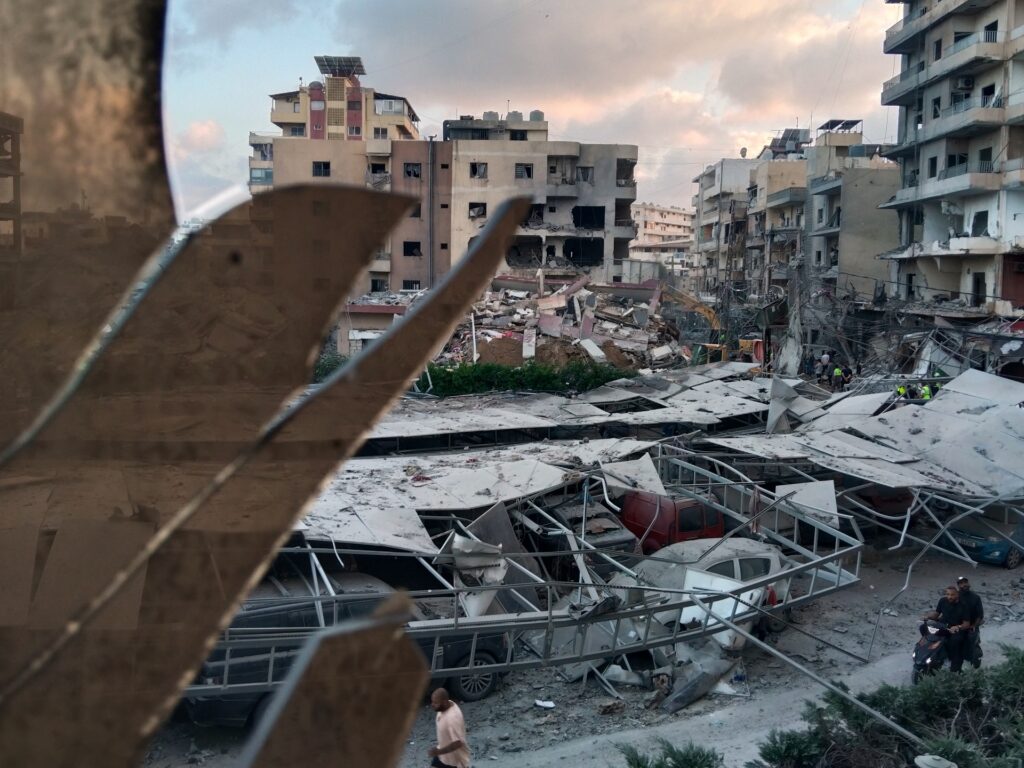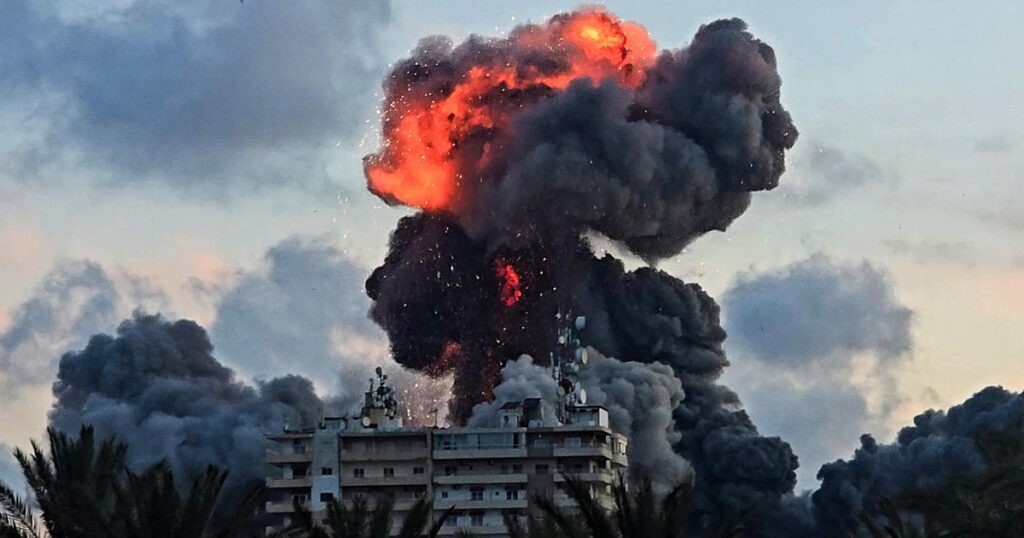
The conflict between the United States, Israel, and Iran has led to significant military casualties, economic costs exceeding $11.3 billion in the first six days, and disruptions to global oil trade through the Strait of Hormuz. Democratic Senator John Fetterman supports the U.S.-Israel military campaign, citing Iran’s limited ability to inflict damage and emphasizing the threat posed by Iran’s nuclear ambitions despite intelligence reports indicating no active nuclear weapon development. Meanwhile, the war’s human toll includes thousands of deaths across the involved nations, and President Trump has expressed uncertainty about the conflict’s duration as the U.S. seeks additional funding to sustain military operations.
Posts tagged as “Tehran”
An internal U.S. military investigation preliminarily found that outdated intelligence led to a missile strike on an elementary school in Iran, killing over 170 civilians, mostly children, during a coordinated U.S.-Israeli operation. The strike mistakenly targeted the school, which had been inaccurately identified as a military site based on old intelligence, with evidence pointing to an American Tomahawk missile. Meanwhile, Iran retaliated with attacks killing six U.S. Army Reserve soldiers in Kuwait, escalating the ongoing conflict that the U.S. administration expects to continue for several weeks.
A series of Israeli airstrikes on Tehran’s oil facilities caused severe environmental hazards, including toxic rain and widespread damage, escalating tensions in the U.S.-Israeli conflict with Iran. The attacks led to a sharp rise in global oil prices due to disrupted supply and heightened concerns over the Strait of Hormuz, while Iranian officials condemned the strikes as chemical warfare. Despite the turmoil, U.S. President Donald Trump expressed confidence in a swift resolution, warning Iran of harsher consequences if it threatened oil shipments.
The conflict in Yemen has intensified with the U.S. military's increased airstrike campaign against Houthi rebels, targeting over 800 locations since mid-March. A recent alleged U.S. airstrike on a prison in the Saada governorate reportedly killed 68 African migrants, prompting scrutiny and criticism from activists. This escalation occurs amid U.S.-Iran nuclear negotiations, raising concerns about the broader implications for regional stability and humanitarian issues.
A significant explosion at the Shahid Rajaei port in southern Iran resulted in five deaths and over 700 injuries, linked to a shipment of a chemical used in missile propellant. The incident coincided with Iran-U.S. nuclear negotiations in Oman, drawing attention but with no official attribution to an attack. The explosion disrupted port operations, impacting trade, while the international community closely monitors the situation amid ongoing nuclear discussions.
The United States and Iran held a second round of negotiations in Rome to address concerns over Tehran's advancing nuclear program and the potential for military conflict. Both parties described the talks as constructive, with progress being made towards a diplomatic solution to reduce regional tensions. A third round of discussions is scheduled for April 26 in Oman, highlighting the importance of regional cooperation and the commitment of both sides to explore peaceful resolutions to the nuclear dispute.
Iran has rejected direct negotiations with the United States over its nuclear program, as stated by Iranian President Masoud Pezeshkian, but remains open to indirect talks through Oman. The history of U.S.-Iran negotiations has been complicated by the U.S.'s withdrawal from the nuclear deal in 2018, leading to stalled diplomatic efforts. The situation is further strained by the Israel-Hamas conflict, which adds tension to U.S.-Iran relations and affects regional stability, leaving the future of negotiations uncertain.