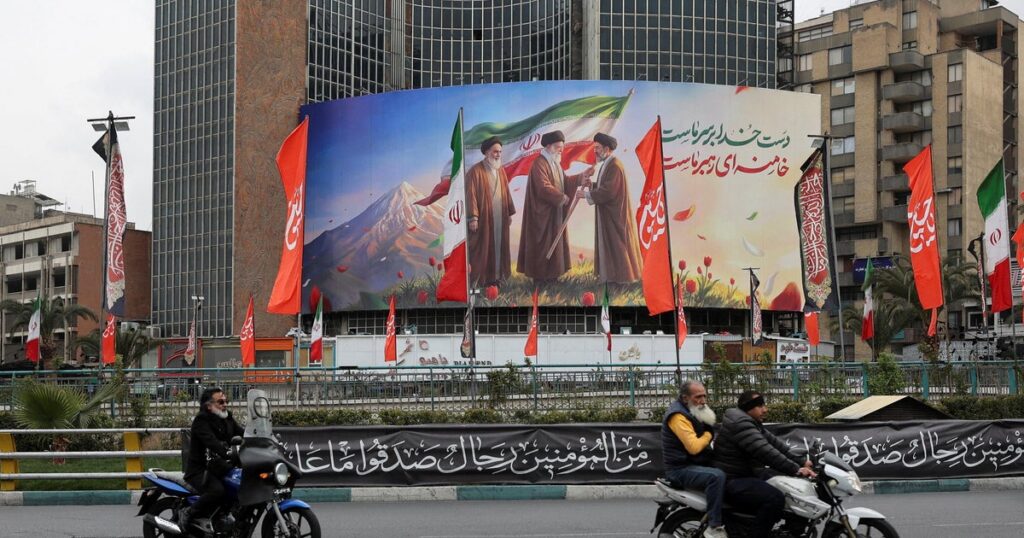
Oil prices have surged due to the escalating Middle East conflict, which has disrupted shipping through the strategic Strait of Hormuz and drawn significant military attention from the U.S. and its allies. Russia has emerged as a key beneficiary of rising energy prices, potentially increasing its oil revenues and military spending amid the ongoing Ukraine war. Meanwhile, the conflict intensifies with attacks on Gulf countries, heightened regional military deployments, and diplomatic efforts to support affected nations and maintain global energy security.
Posts tagged as “Saudi Arabia Border Guards Accused”

Recent U.S.-Russia talks in Saudi Arabia have led to agreements aimed at reducing military tensions and ensuring safe navigation in the Black Sea, with both Russia and Ukraine committing to a ceasefire and a ban on attacks on energy facilities. These discussions, facilitated by American negotiators, focused on maritime security and the protection of energy infrastructure, marking a potential step forward in mediating peace between the two nations. While the agreements represent progress, the broader conflict remains complex, necessitating further negotiations and continued U.S. mediation efforts.
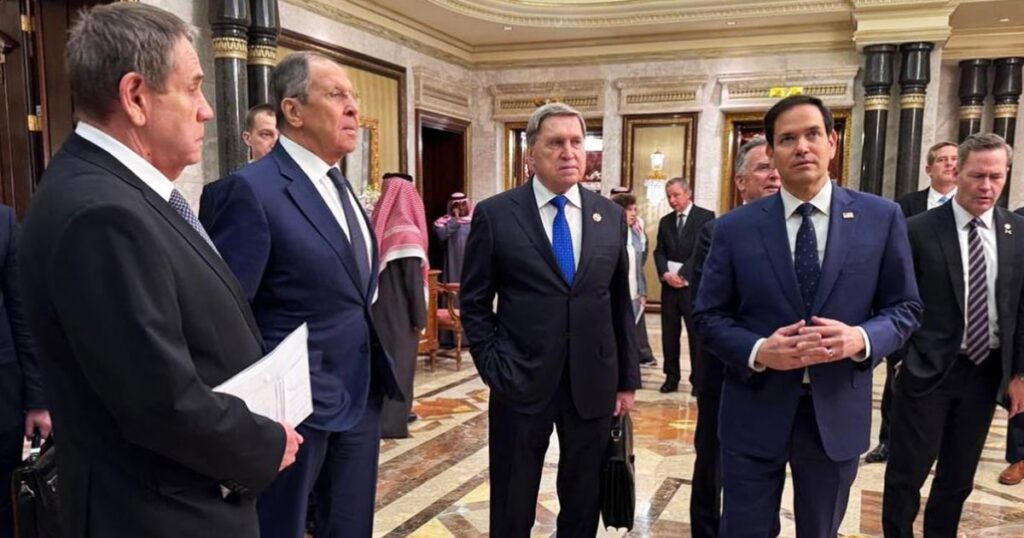
The anticipated joint statement from the United States and Russia regarding a potential ceasefire in Ukraine was not released, as Russian officials continued to review details from recent talks held in Saudi Arabia. These discussions aimed to establish a maritime ceasefire in the Black Sea, but despite initial optimism from the U.S. team, no written agreement was reached. The absence of a formal agreement highlights the ongoing complexities and challenges in achieving a diplomatic resolution to the conflict, as Russian military operations in Ukraine persist.
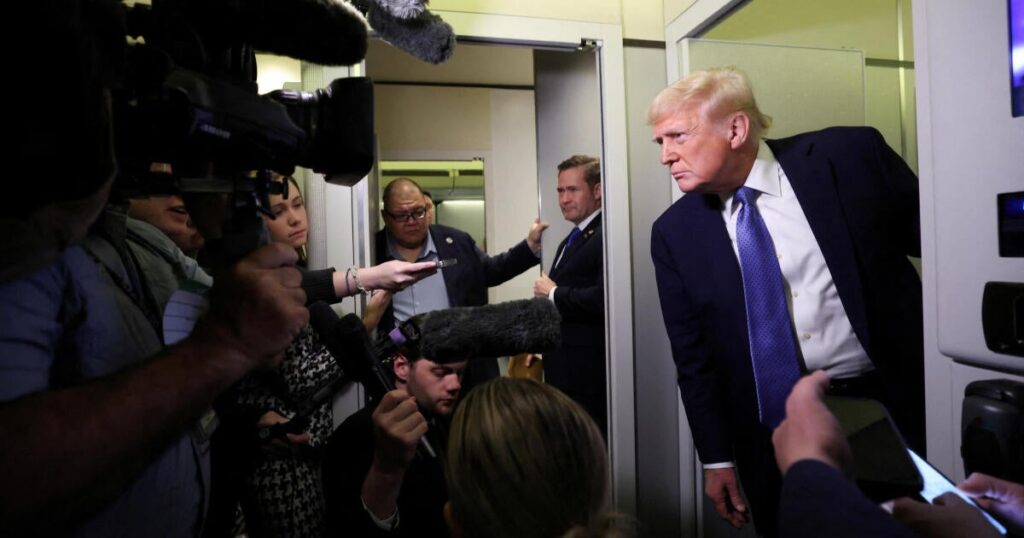
Negotiations between Washington and Moscow have begun to address the division of assets between Russia and Ukraine, aiming to end the ongoing conflict that started with Russia's invasion of Ukraine. President Donald Trump announced plans to discuss the matter further with Russian President Vladimir Putin, focusing on assets like land and power plants as potential steps toward resolution. While a recent proposal for a 30-day ceasefire was made in Saudi Arabia, further discussions are necessary as President Putin has not yet committed to a formal agreement, though diplomatic efforts continue with cautious optimism.
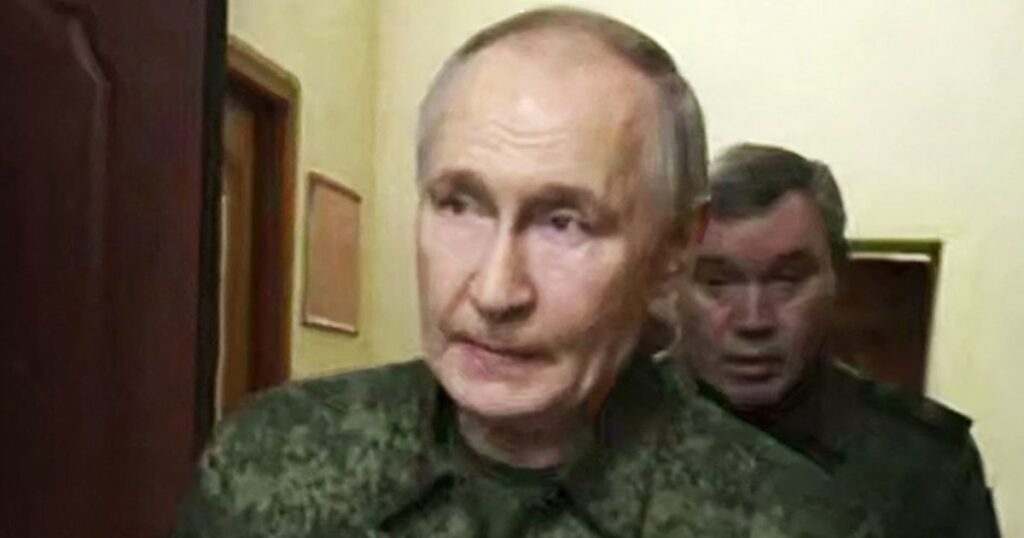
Russian forces have reportedly expelled the Ukrainian army from the town of Sudzha in the Kursk border region, as announced by Russian officials, though these claims remain unverified. This development occurs alongside diplomatic efforts, with a senior U.S. envoy in Moscow discussing a proposed 30-day ceasefire supported by Ukraine, aimed at temporarily halting the ongoing conflict. However, Russia remains skeptical of the ceasefire, viewing it as a strategic advantage for Ukraine, while the international community watches closely for any progress toward a peaceful resolution.
U.S. Secretary of State Marco Rubio announced that Ukraine is ready to halt battlefield activities and begin negotiations for a lasting resolution to the conflict with Russia, following discussions in Jeddah, Saudi Arabia. A preliminary agreement for a monthlong ceasefire was reached, but it remains uncertain if Russian President Vladimir Putin will agree to this temporary cessation of hostilities. Rubio emphasized the importance of Russia's response, noting that the international community is closely watching, as the proposed ceasefire could significantly impact the conflict's trajectory.
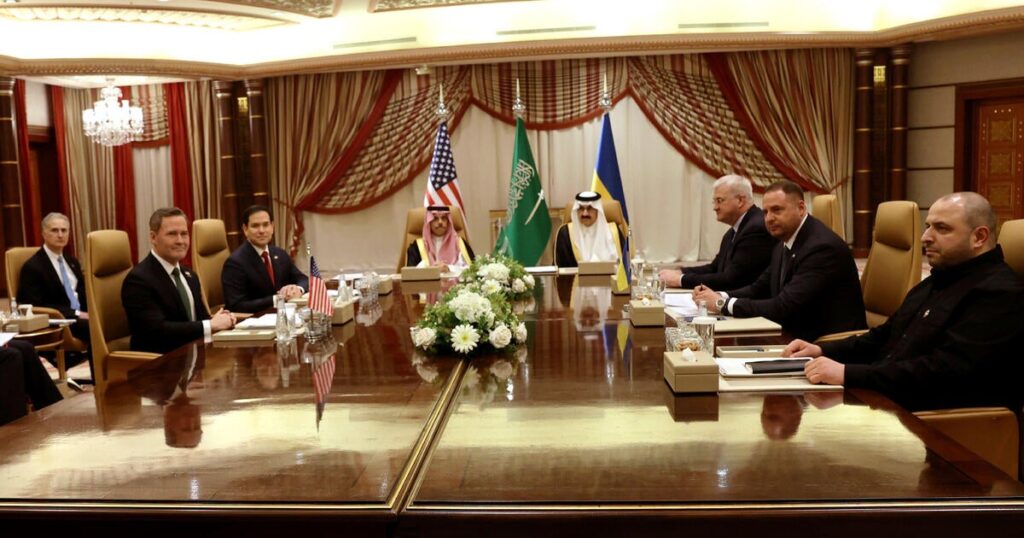
Ukraine has agreed to a U.S. proposal for an immediate 30-day ceasefire with Russia, which could be extended if both parties consent. This decision, following discussions in Saudi Arabia, includes the U.S. resuming intelligence sharing and security assistance to Ukraine, contingent on Russia's acceptance and implementation. The U.S. emphasizes the necessity of Russian cooperation for lasting peace, marking a potential turning point in the conflict as efforts to engage Russia in dialogue continue.
Congress Races to Prevent Government Shutdown Amid DOJ Shakeup and Rising Saudi Diplomatic Influence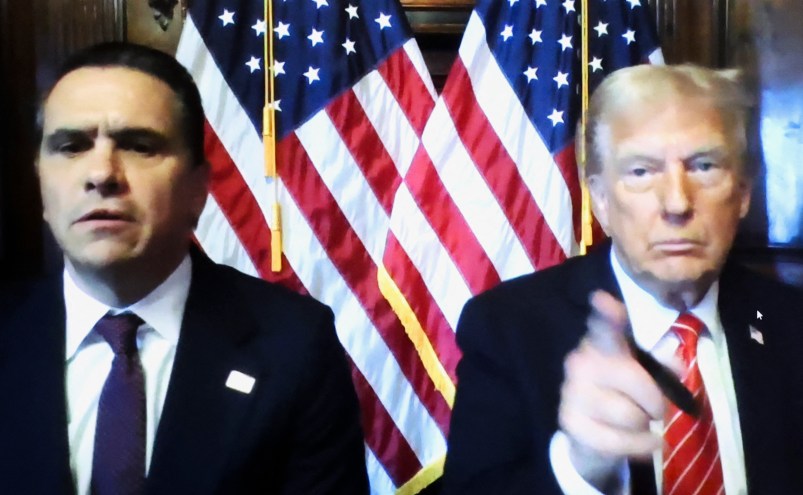
Congress Races to Prevent Government Shutdown Amid DOJ Shakeup and Rising Saudi Diplomatic Influence
Congress is actively working to prevent a government shutdown as the deadline for funding approaches, highlighting the potential impacts on government services and employees. Concurrently, the Department of Justice is undergoing significant changes under the Trump administration, with dismissals of senior officials suggesting a consolidation of control aligned with White House objectives, raising concerns about the DOJ's independence. On the international stage, Secretary of State Marco Rubio and Ukrainian President Volodymyr Zelenskyy's upcoming visit to Saudi Arabia underscores the country's growing influence in global diplomacy.