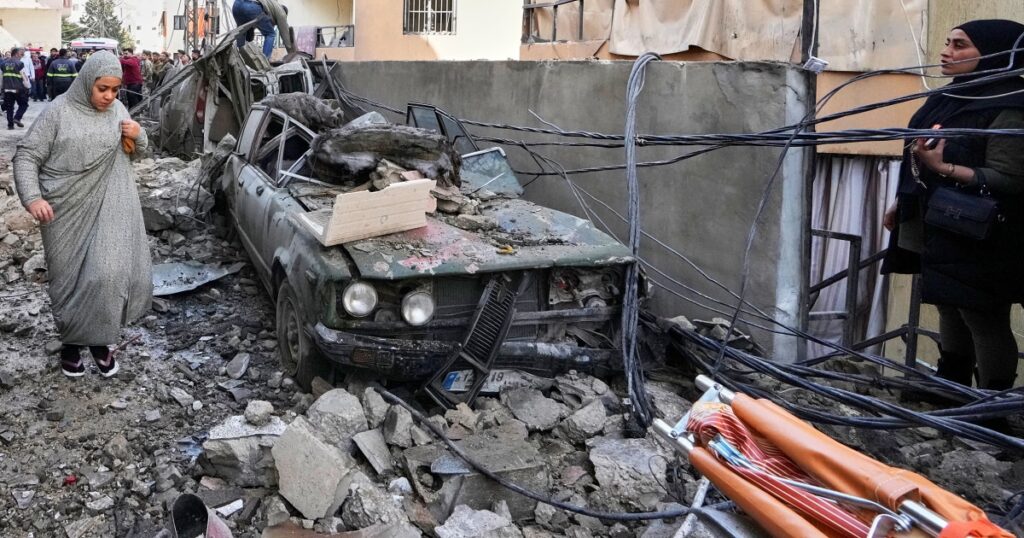
The Trump administration has been considering a high-risk operation involving the Joint Special Operations Command to seize Iran's enriched uranium stockpiles amid ongoing military efforts targeting Tehran and its allies. While initial U.S.-Israel campaigns focused on Iran's conventional military assets, the strategy has shifted toward preventing Iran from acquiring nuclear weapons, despite challenges posed by Iran's continued enrichment and regional counterattacks. Concurrently, escalating conflict in Lebanon, driven by Israeli strikes against Hezbollah and fears of a ground invasion, has displaced thousands and heightened tensions along the border, with uncertain prospects for a lasting resolution.
Posts tagged as “Saudi Arabia Border Guards Accused”
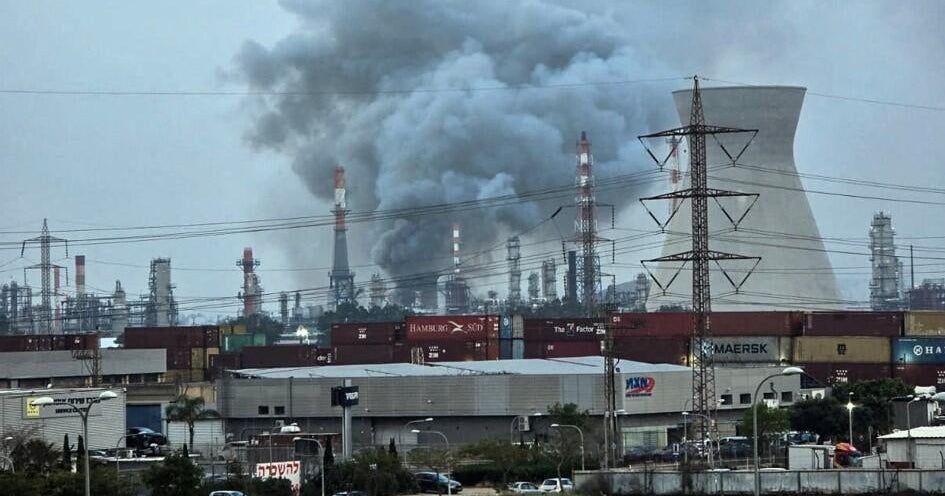
The conflict involving the United States, Israel, and Iran has intensified tensions across the Persian Gulf, with Iran launching retaliatory strikes on energy and civilian infrastructure in neighboring countries, prompting a high-level Gulf states meeting in Riyadh to address the escalating crisis. These attacks have severely impacted regional security and global energy markets, causing significant damage to oil and gas facilities and driving up oil prices, while military confrontations have included missile strikes, air raids, and the emergency landing of a U.S. F-35 jet. Despite widespread alerts and civilian sheltering, Gulf states remain divided on their response, with calls for de-escalation and ceasefire from some, amid fears of broader regional destabilization.
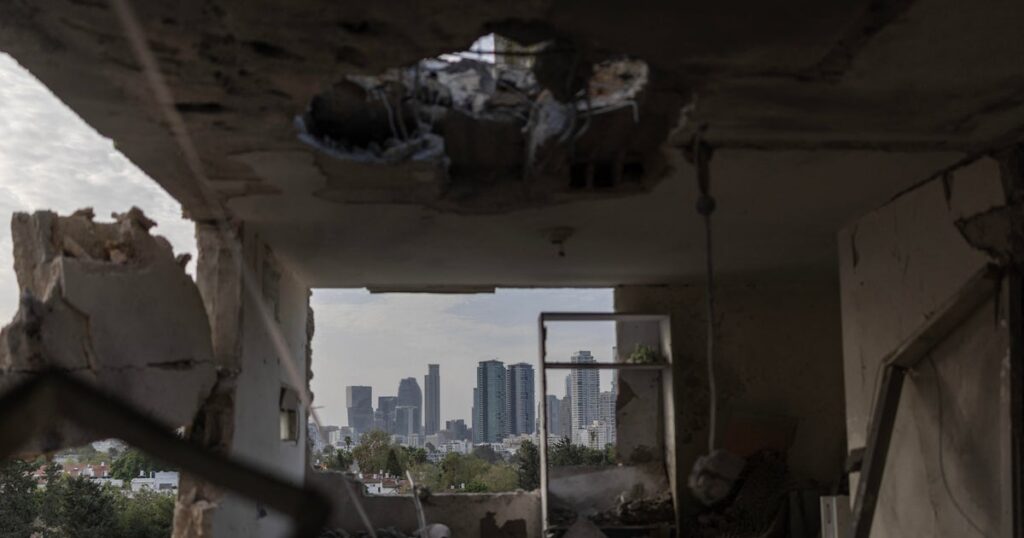
The conflict between Israel, the United States, and Iran has escalated sharply after an Israeli strike on Iran’s South Pars gas field, prompting Iranian retaliatory attacks on energy infrastructure across Gulf states and causing major disruptions to global energy supplies. These attacks have led to soaring oil and natural gas prices, closure of the Strait of Hormuz to tanker traffic, and heightened regional tensions, with international actors calling for de-escalation amid widespread condemnation. The ongoing crisis threatens regional stability and global markets, while diplomatic efforts have so far failed to resolve the conflict, leaving the situation highly volatile.
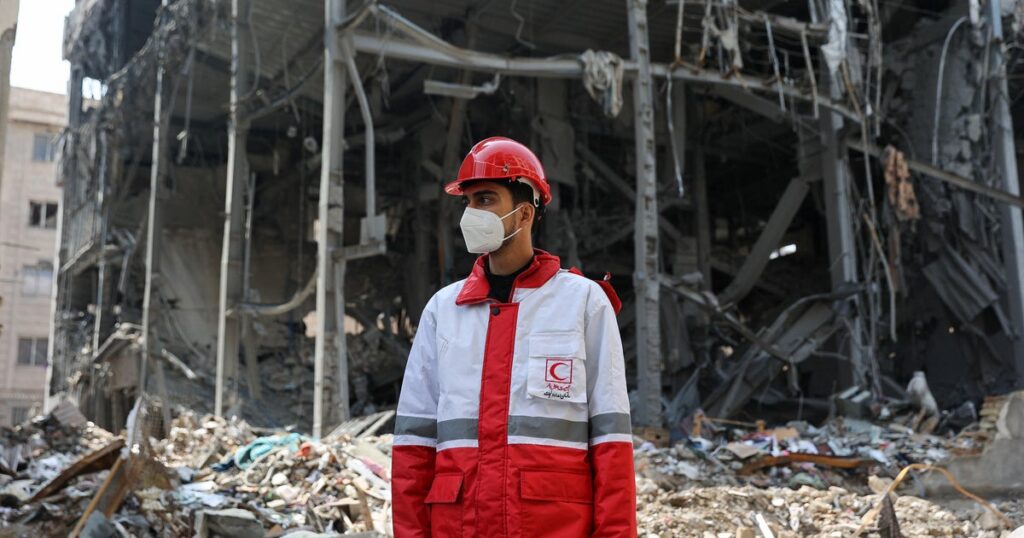
Iran launched missile and drone attacks on Israel and Persian Gulf states following Israeli airstrikes that killed senior Iranian officials, escalating the Middle East conflict with casualties reported near Tel Aviv and Beirut. Israeli Defense Minister Israel Katz vowed to target all senior Iranian figures and hinted at intensified military operations, while Iran maintained governmental stability despite losses and condemned U.S.-Israeli strikes on its territory. The conflict has triggered regional diplomatic efforts, disrupted global oil markets, and sparked controversy within the U.S. administration, including the resignation of a counterterrorism official critical of the war’s justification.
Thirteen U.S. Service Members Killed in Iran Conflict as VA Mental Health Care Faces Staffing Crisis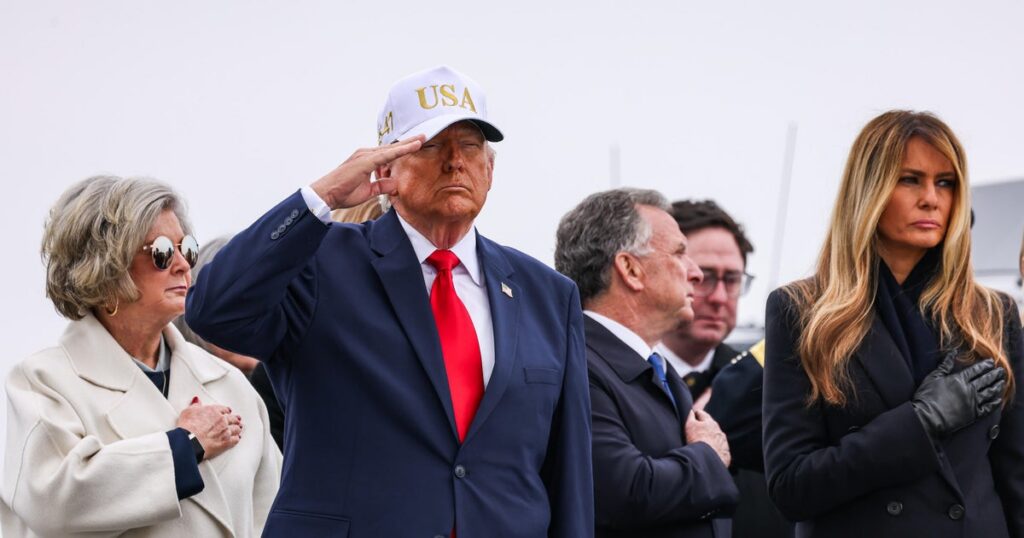
Thirteen U.S. Service Members Killed in Iran Conflict as VA Mental Health Care Faces Staffing Crisis
Since the conflict with Iran began in late February, 13 American service members from diverse backgrounds have died, including six from a U.S. Army Reserve unit in Iowa and others in incidents across the Middle East. Among the fallen are Capt. Cody A. Khork of Florida, Sgt. Nicole M. Amor of Minnesota, and Sgt. Declan J. Coady of Iowa, each honored for their service and sacrifice by family and local officials. Separately, a ProPublica investigation reveals ongoing challenges in the Department of Veterans Affairs mental health system, with significant staff reductions and increased difficulties for veterans seeking consistent care despite the administration’s claims of improvement.
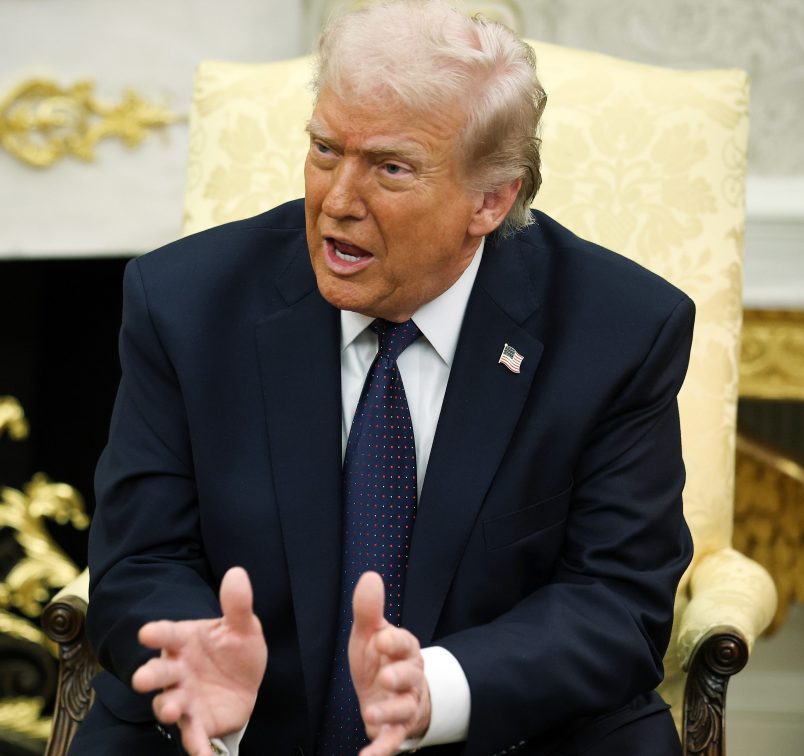
The conflict involving Iran in the Middle East has intensified over nearly two weeks, marked by a tragic U.S. military aircraft crash in Iraq, persistent Iranian drone and missile attacks on Gulf allies, and rising tensions fueled by President Trump’s aggressive rhetoric. These attacks have disrupted critical shipping routes like the Strait of Hormuz, prompting discussions of U.S. naval escorts to protect oil tankers amid soaring global energy prices. Meanwhile, Iran’s internal crackdown on protests and calls from international leaders for regime change highlight the multifaceted and volatile nature of the ongoing crisis.
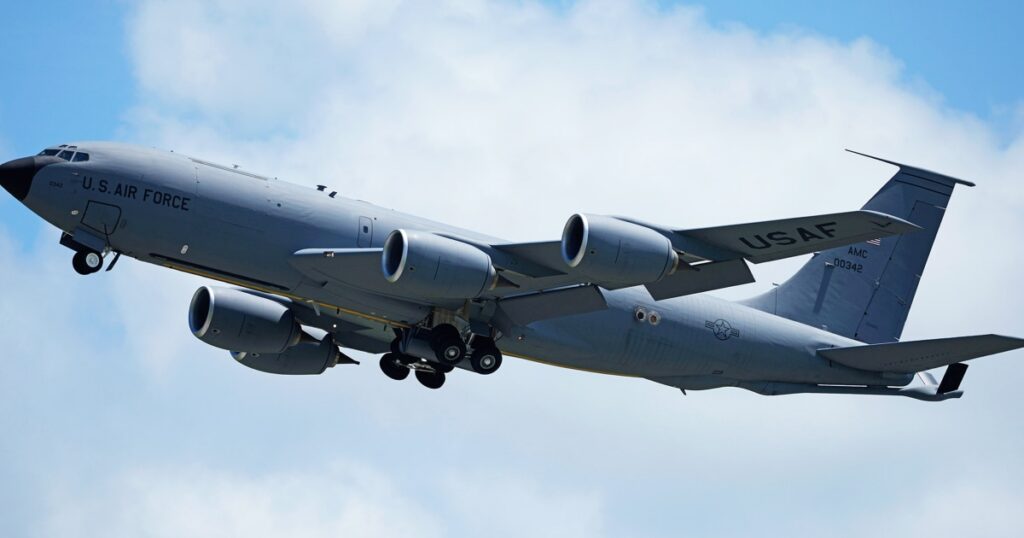
Four U.S. military personnel died when a KC-135 aerial refueling aircraft crashed near the Iraqi-Jordanian border during operations related to conflicts involving Iran, with two crew members still missing as rescue efforts continue. CENTCOM confirmed the crash was not due to hostile or friendly fire and noted a second KC-135 involved in the same operation was damaged but landed safely in Tel Aviv. This incident is the fourth U.S. aircraft crash linked to Operation Epic Fury, which has resulted in 11 U.S. service member deaths since February 28, and recovery operations are ongoing amid an active investigation.
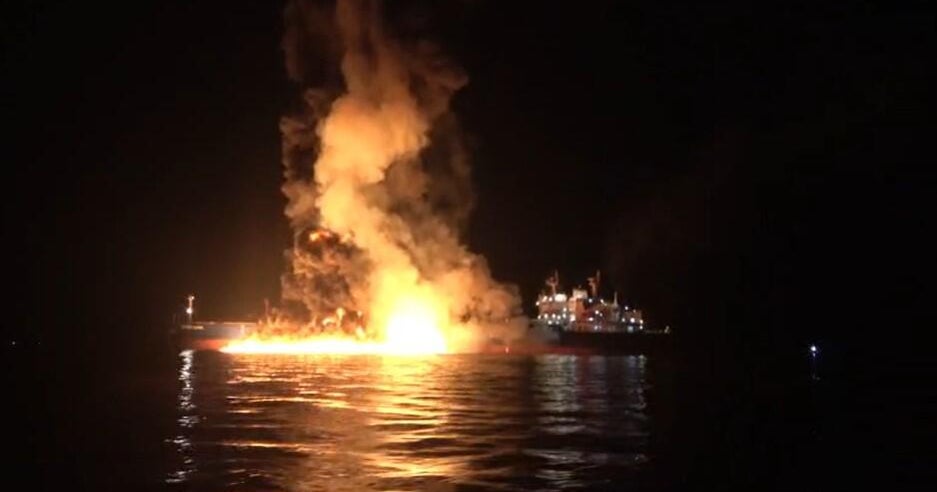
Oil prices surged sharply amid escalating conflict involving the U.S., Israel, and Iran, with Brent crude surpassing $100 per barrel due to disruptions in the critical Strait of Hormuz and attacks on oil infrastructure across the Gulf region. The crisis has led to significant economic impacts, including declines in U.S. stock markets, production shutdowns by major energy companies, and government measures such as fuel rationing in India and potential U.S. policy changes like a temporary Jones Act waiver and strategic oil reserve releases. Meanwhile, military actions have intensified, causing substantial casualties and prompting international efforts to address the escalating threats to global energy supplies and maritime security.