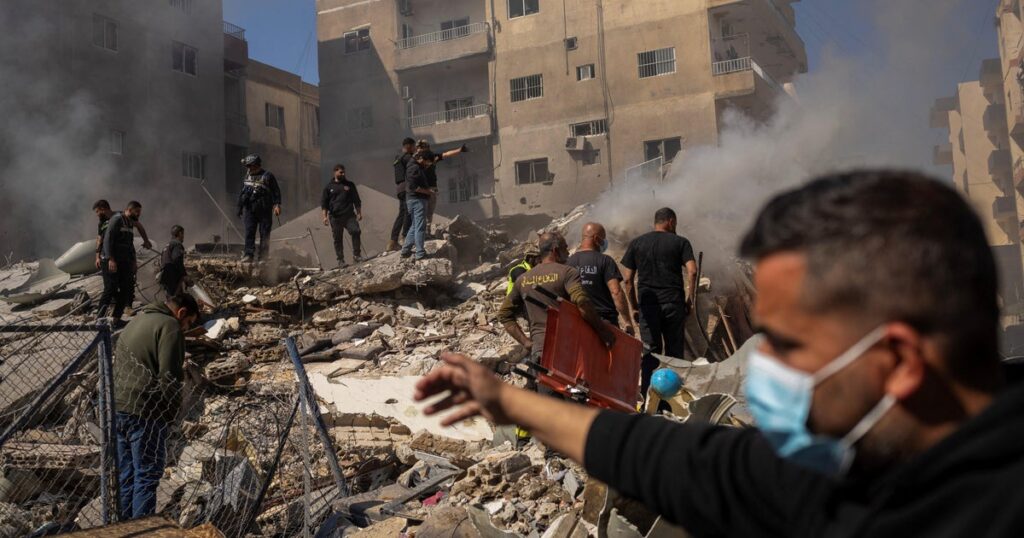
A two-week ceasefire between Iran and the U.S. takes effect amid ongoing Israeli strikes in Lebanon. While markets rally and tanker traffic resumes in the Strait of Hormuz, Israel continues its campaign against Hezbollah, complicating prospects for lasting peace.
Posts tagged as “Saudi Arabia Border Guards Accused”
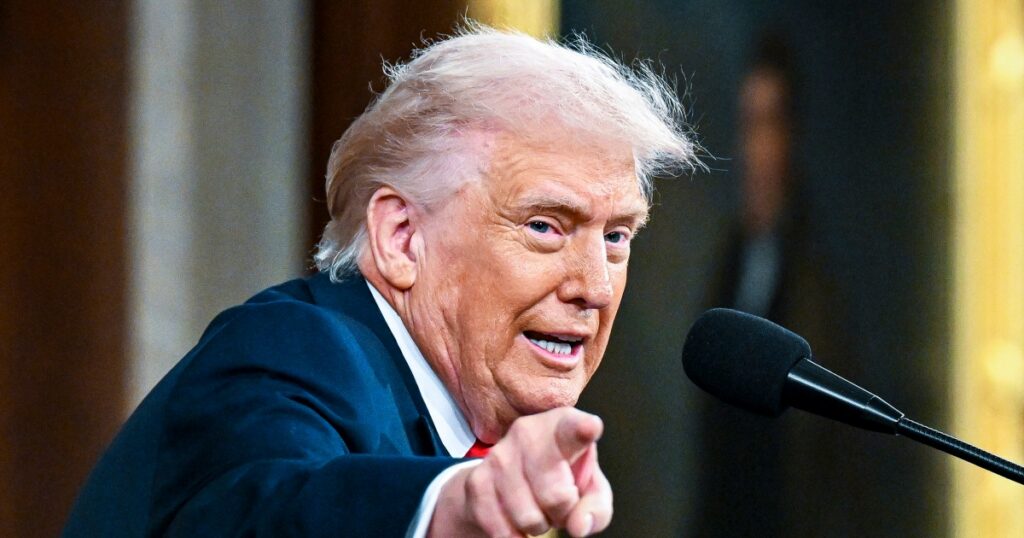
A U.S. airman downed in Iran is rescued in a daring mission as President Trump threatens to strike Iranian power plants and bridges if the Strait of Hormuz remains closed. Iran condemns the threats as war crimes amid ongoing regional tensions.
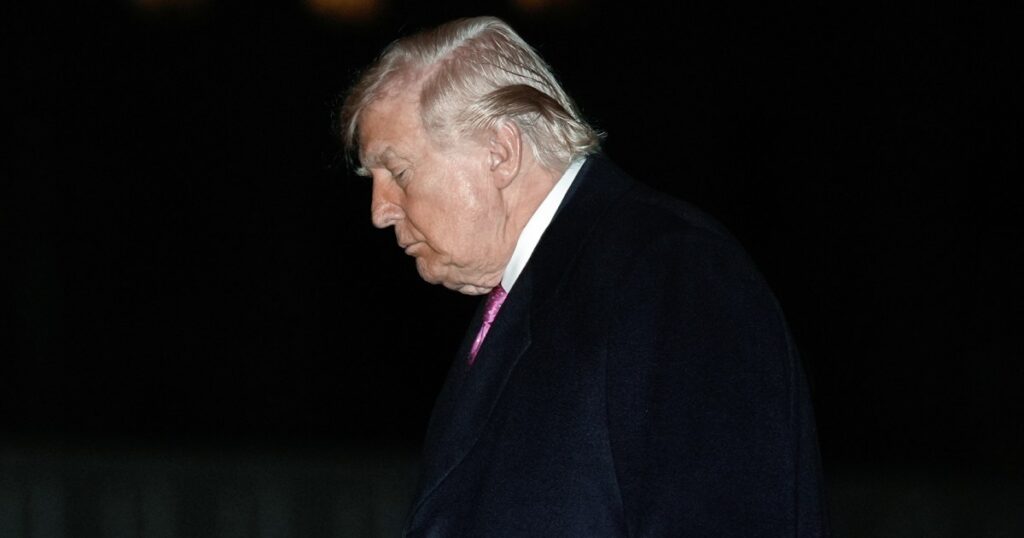
President Donald Trump indicated that U.S. military operations against Iran could end within two to three weeks, leading to a decline in oil prices and gains in global stock markets amid hopes for de-escalation. Trump also threatened to withdraw the U.S. from NATO over European allies’ lack of support for the Iran campaign, raising concerns among members and potentially benefiting Russia. Meanwhile, Pakistan has offered to mediate peace talks between the U.S. and Iran, backed by regional powers, but its efforts are complicated by ongoing conflict with Afghanistan that threatens regional stability.
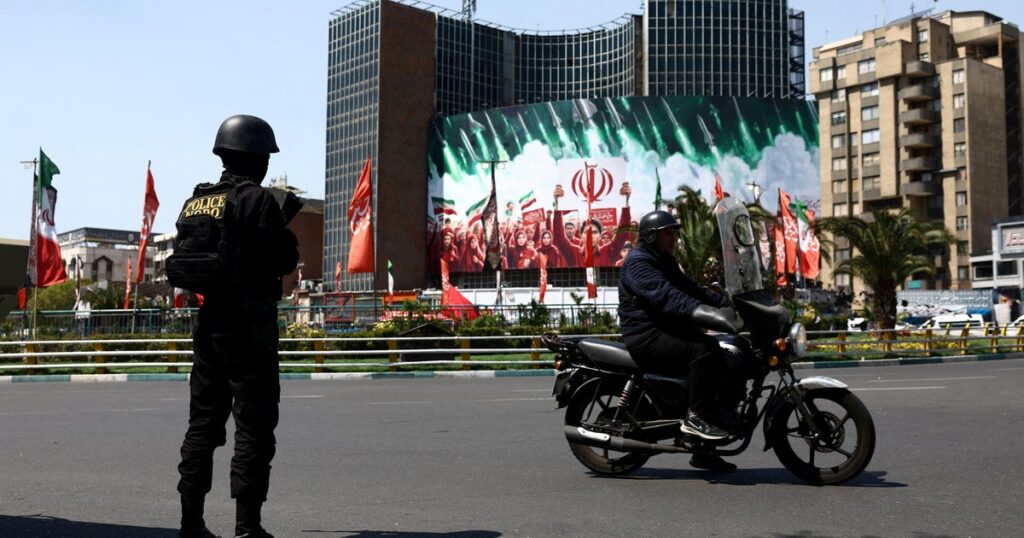
Rising tensions between the United States, Israel, and Iran have led to attacks on critical infrastructure, including a water desalination plant on Qeshm Island and an Iranian drone strike on a Kuwaiti oil tanker, causing regional instability and driving up global energy prices. Israeli Prime Minister Netanyahu claimed significant military progress against Iran and proposed alternative energy routes to bypass Iranian-controlled waterways, while the U.S. considers further military options to secure the Strait of Hormuz. Despite ongoing behind-the-scenes diplomatic efforts, direct negotiations remain stalled as both sides maintain firm demands, prolonging the conflict and uncertainty in the region.

In March 2026, the Trump administration strengthened its ties with the combat sports world through an FBI partnership with the UFC and the appointment of former MMA fighter Senator Markwayne Mullin as Secretary of Homeland Security, highlighting the growing influence of combat sports within conservative politics. This connection is rooted in Trump’s longstanding affinity for combat sports and is further amplified by prominent fighters and media figures like Joe Rogan who promote right-wing ideologies and alternative health views. Concurrently, escalating Middle East tensions involving Russia, Iran, and U.S. forces have intensified debates in the Senate over military responses, amid broader regional conflicts with significant global implications.

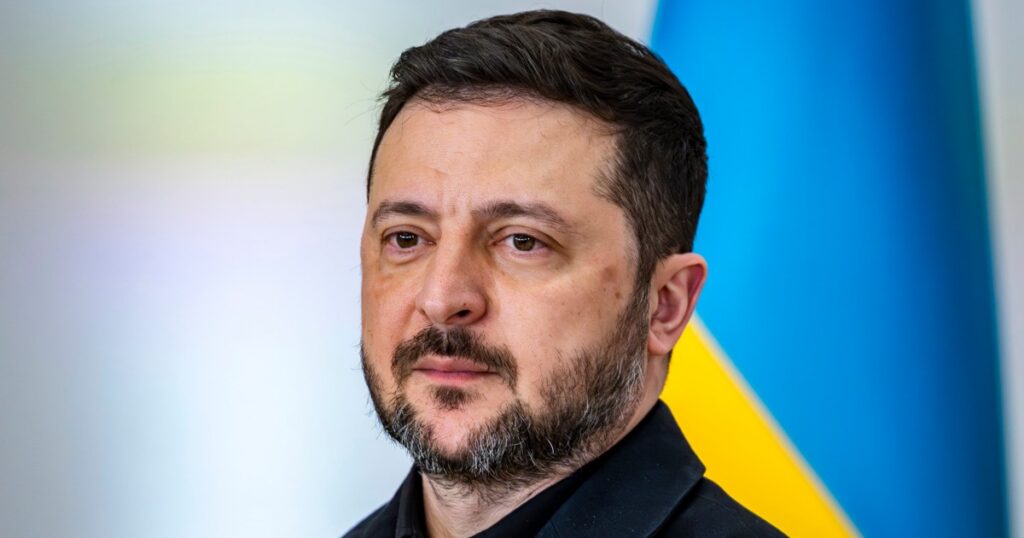
European officials and Ukrainian President Volodymyr Zelenskyy have raised alarms over Russia’s deepening military cooperation with Iran, particularly involving intelligence sharing and drone technology that targets U.S. forces in the Middle East and supports Russia’s efforts in Ukraine. Zelenskyy provided evidence of Russian satellites aiding Iranian attacks on American bases and highlighted Ukraine’s efforts to share anti-drone technology with Gulf states facing Iranian aggression. This growing alliance complicates U.S. military resource allocation and diplomatic negotiations, with Zelenskyy emphasizing the need for sustained Western support amid stalled peace talks and shifting geopolitical priorities.
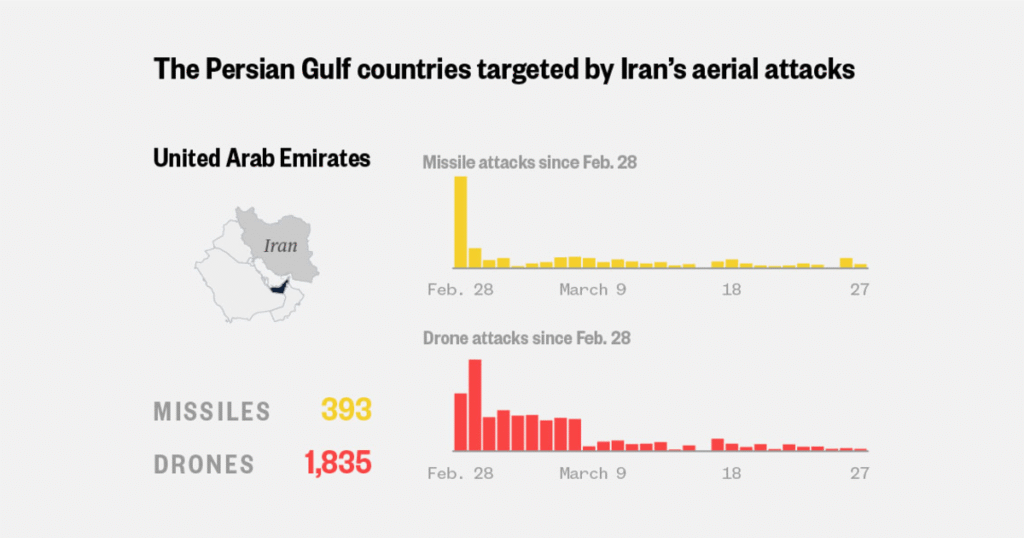
The United States has deployed over 850 Tomahawk cruise missiles in its conflict with Iran, using them at a rate far exceeding annual procurement levels, with current production unable to meet wartime demand. Iran continues daily missile and drone attacks against Gulf neighbors and Israel, causing significant damage to military and energy infrastructure despite high interception rates by regional air defenses. The ongoing hostilities have led to casualties, economic losses, and disruptions to strategic locations like the Strait of Hormuz, posing challenges to regional stability and global energy markets.
President Donald Trump has avoided officially calling the military conflict with Iran a "war," citing constitutional limits on presidential war powers and the need for congressional authorization, though he has occasionally referred to it as such. The legal and political debate continues, with Democrats pushing to restrict the president’s military actions without congressional approval, while Republicans largely oppose these measures. Meanwhile, Ukraine is aiding Gulf nations against Iranian drone attacks by deploying anti-drone specialists, and Senate Republicans are advancing a budget reconciliation bill focused on conservative priorities, including military funding related to the Iran conflict.