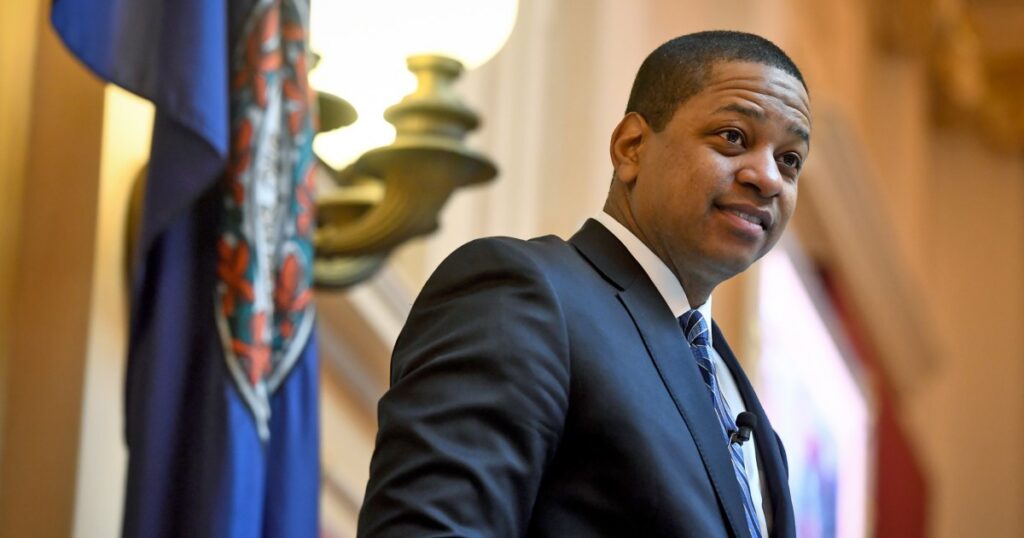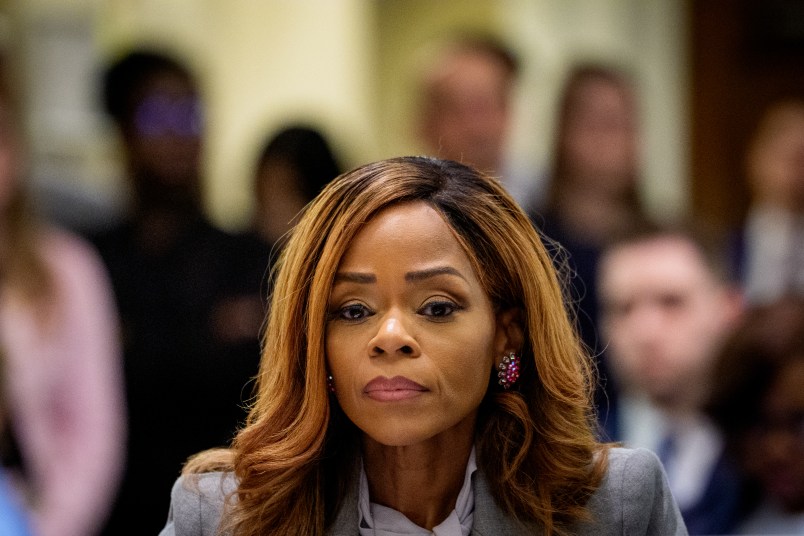
In April, several key elections—including special congressional races in Georgia and New Jersey, a Wisconsin Supreme Court contest, and a Virginia redistricting referendum—will test party strengths and influence the U.S. political landscape. Meanwhile, the Department of Homeland Security remains partially shut down due to partisan disputes, with Senate Republicans and former President Trump clashing over funding tied to controversial voting legislation. These events highlight the ongoing challenges in bipartisan cooperation amid a highly polarized political environment.
Posts tagged as “’s Democratic Party”
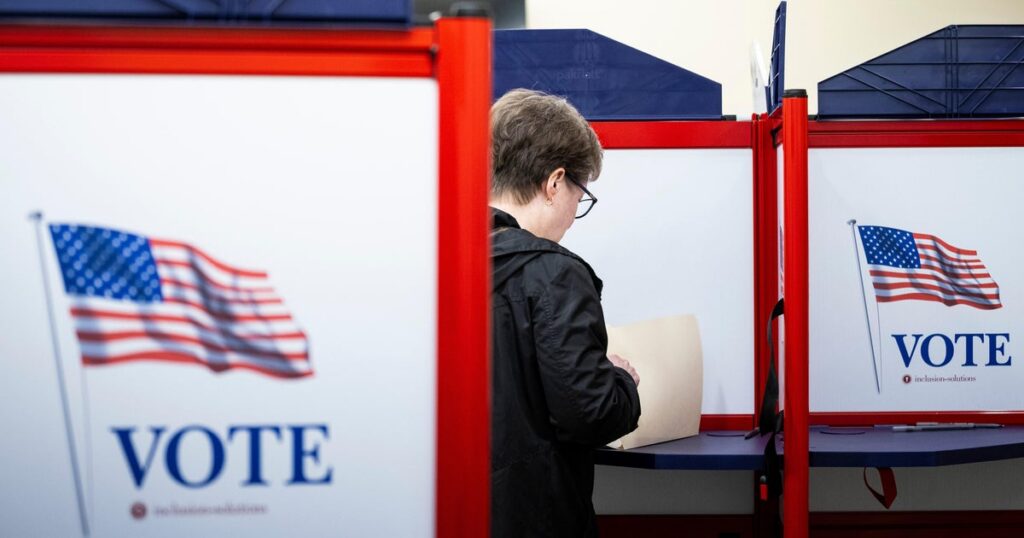
Delta Air Lines has temporarily suspended special services for members of Congress at airports due to operational challenges caused by the ongoing partial U.S. government shutdown and resulting TSA staffing shortages. The shutdown has led to severe workforce reductions, with many TSA employees working without pay and facing financial and mental health hardships, prompting criticism of temporary measures like deploying ICE agents to assist with security. Meanwhile, airlines and airport staff urge Congress to resolve the funding impasse soon, as the Senate nears a potential deal to restore Department of Homeland Security operations and ease widespread travel disruptions.
Senate Republicans are advancing a plan to reopen most of the Department of Homeland Security (DHS) during the ongoing government shutdown by funding all components except ICE’s immigration enforcement, aiming to gain support from President Trump and Senate Democrats. The proposal includes passing election-related provisions from the SAVE America Act through a separate budget reconciliation bill, though experts doubt these measures will meet strict budgetary rules, raising questions about the plan’s political feasibility. While Democrats remain cautiously open but demand ICE restrictions, bipartisan negotiations continue amid optimism from some Senate leaders to end the shutdown and restore DHS operations.
Robert Frazer, a veteran prosecutor with over 20 years in the New Jersey U.S. attorney’s office, has been appointed interim U.S. attorney, ending nearly a year of legal disputes and leadership turmoil following controversial interim appointments by former President Trump. The prolonged conflict involved court rulings that invalidated previous appointments and criticized the DOJ’s handling, which disrupted ongoing prosecutions and eroded trust in the office. Frazer’s appointment, supported by both political parties, aims to restore stability and refocus the office on its core mission of combating crime and protecting citizens’ rights.
The U.S. Senate is close to reaching a deal to fund the Department of Homeland Security and end a six-week partial government shutdown, with Republicans optimistic after meeting President Trump and planning to fund most DHS agencies except ICE deportation operations through separate budget reconciliation. The shutdown began over disputes about ICE funding and election reform tied to the SAVE America Act, which Trump initially demanded be linked to DHS funding but faces Democratic opposition. Separately, despite publicly denouncing mail-in voting, President Trump cast a mail-in ballot in a Florida special election, highlighting his inconsistent stance on the issue amid ongoing debates over voter ID laws.
The United States is experiencing a worsening housing affordability crisis driven by factors such as restrictive zoning, high construction costs, and policy challenges, with recent bipartisan legislation facing uncertainty due to political disputes. Although the Trump administration has taken steps like reducing building regulations and expanding incentives for low-income housing, critics argue that rollbacks of civil rights protections and cuts to social programs undermine housing security for marginalized communities. This crisis reflects broader economic inequality, as wealth gains concentrate among the top 1% while many Americans struggle with rising living costs, exacerbating social and political tensions ahead of upcoming elections.
Senator Markwayne Mullin was confirmed as the new Secretary of the Department of Homeland Security by a 54-45 Senate vote, replacing Kristi Noem amid controversy over her leadership. Mullin’s appointment comes during a prolonged DHS shutdown caused by Democratic demands for immigration enforcement reforms, which remain unresolved despite the leadership change. Known for bipartisan relationships, Mullin has pledged to empower personnel and implement policy shifts such as requiring judicial warrants for enforcement actions, while his confirmation drew both cross-party support and criticism.
Senate efforts to end the 38-day Department of Homeland Security shutdown stalled after former President Trump demanded that the DHS funding bill include his controversial SAVE America Act, which mandates voter ID and citizenship verification, a proposal opposed by Democrats and lacking sufficient Senate support. The shutdown has strained airport security operations, with TSA workers unpaid and ICE agents deployed to assist, while Democrats have offered to fund non-ICE DHS components separately, a move some Republicans are considering. Political tensions remain high as Democrats accuse Trump of sabotaging negotiations, the Senate faces a looming recess, and a Supreme Court case on late-arriving mail-in ballots adds complexity to ongoing debates over election integrity and federal funding.