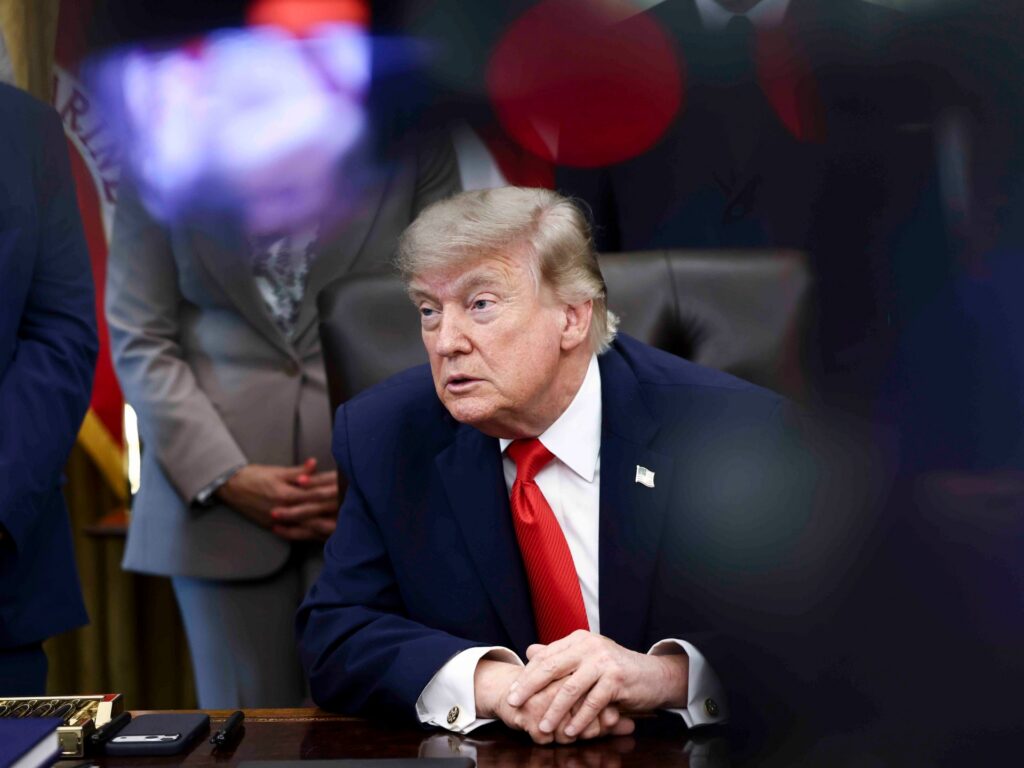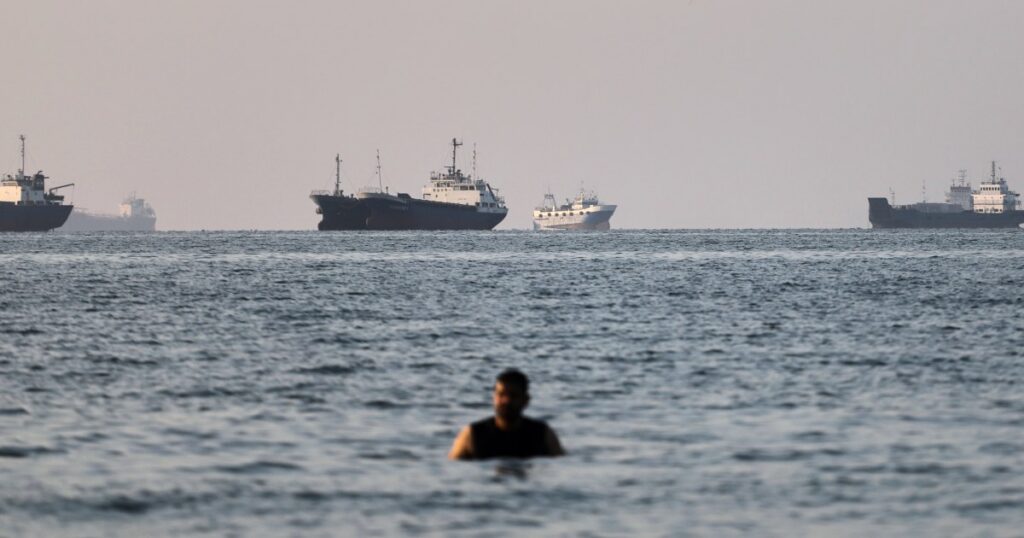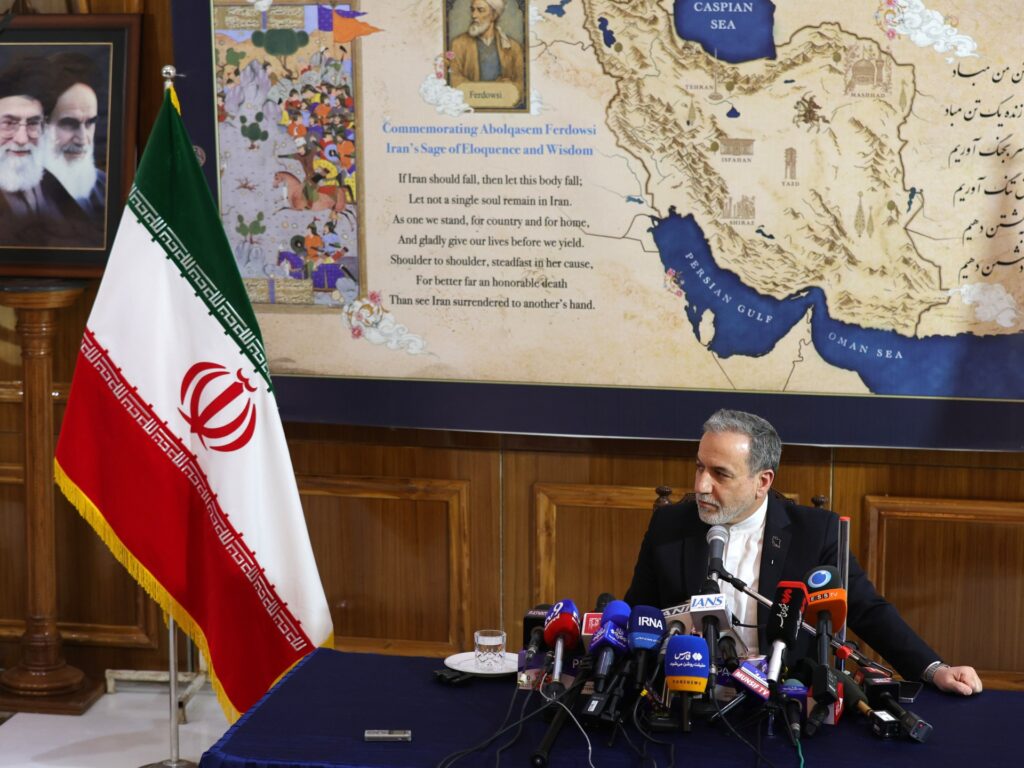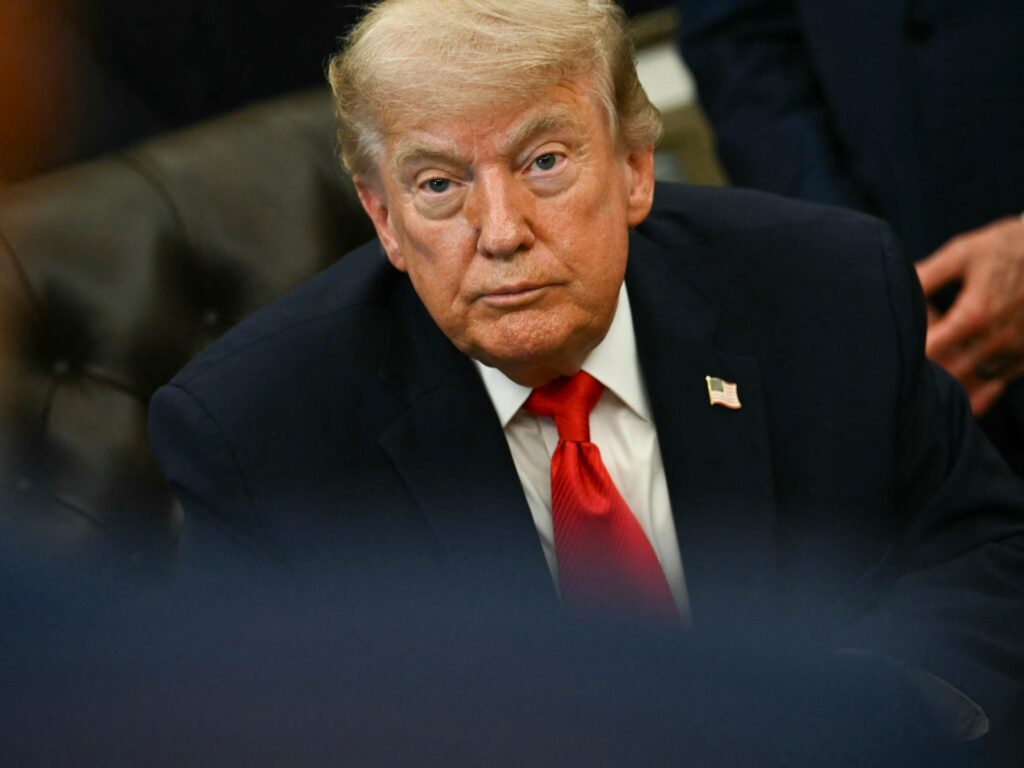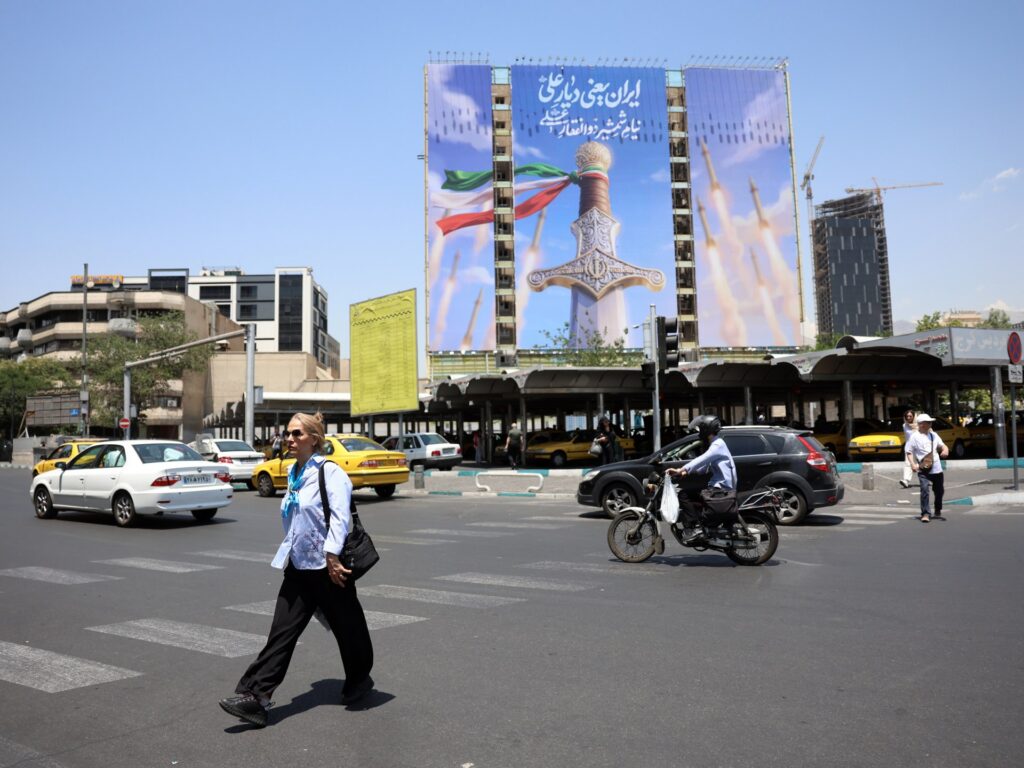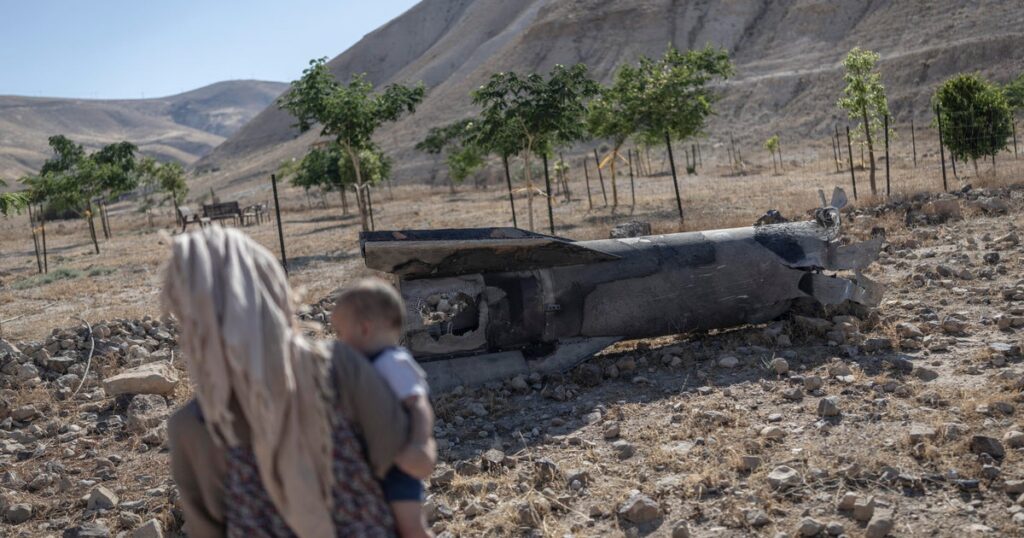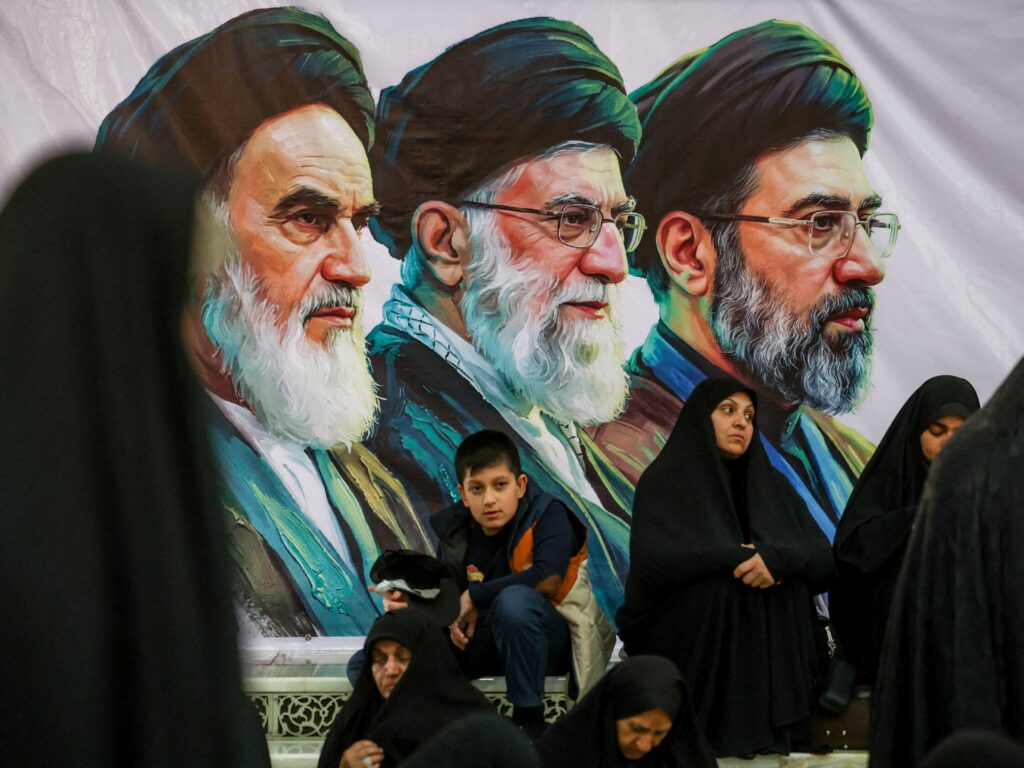
Global oil prices surged to new highs as escalating conflict between the United States, Israel, and Iran intensified missile and drone attacks across the Middle East, raising concerns about prolonged regional instability. Iran and its allied forces targeted Israeli infrastructure and U.S. military assets, while diplomatic efforts for resolution remain stalled amid threats of severe retaliation. The conflict has disrupted global energy markets, particularly impacting Asian oil supplies and driving U.S. gasoline prices to their highest levels since mid-2022, with experts warning of further price spikes and inflationary risks.
Posts tagged as “Pakistan”
More than 1,100 Afghan refugees who supported the U.S. remain stranded at Camp As Sayliyah in Qatar, facing a March 31 deadline to relocate to an unspecified third country or return to Taliban-controlled Afghanistan, despite risks of persecution. Advocacy groups criticize the Trump administration’s handling of the situation, calling the camp a “prison camp” and expressing concerns about the refugees’ uncertain futures, while the State Department defends the closure as necessary and humane. Meanwhile, escalating tensions in the Middle East, particularly involving Iran’s unyielding stance and militia activities, complicate regional security and diplomatic efforts, highlighting the broader challenges affecting both refugees and U.S. foreign policy.
U.S. financial markets declined sharply amid fading hopes for imminent peace talks between the U.S. and Iran, with major stock indexes falling and bond yields rising, leading to increased mortgage rates globally. Oil prices surged over 40% since the conflict began, driven by heightened tensions, while diplomatic efforts stalled as Iran rejected a U.S. peace proposal seen as one-sided. Military actions, including the targeted killing of an Iranian naval commander by Israel and significant U.S. strikes on Iran’s navy, have escalated the conflict, with warnings from President Trump and concerns over Russia’s involvement further complicating the geopolitical landscape.
Amid escalating conflict between Iran and Israel following U.S. and Israeli strikes, diplomatic efforts involving indirect talks facilitated by Pakistan and other regional players have reportedly begun, though official confirmations remain pending. The war has caused over 2,000 deaths, displaced millions, and disrupted global energy markets, pushing Brent crude oil prices above $100 a barrel amid fears of supply shortages. Despite ongoing hostilities marked by missile strikes and air raids, U.S. President Donald Trump expressed cautious optimism about potential negotiations, while regional tensions and economic risks continue to mount.
The United States has reportedly initiated indirect communications with Iran through mediators as preliminary steps toward potential negotiations, following President Trump’s remarks about possible agreements and a temporary military pause. Despite Iran’s initial denial of talks, both sides have identified points of agreement, raising hopes for de-escalation amid ongoing tensions and economic impacts such as fluctuating oil prices. However, key details of any deal remain unclear, including Iran’s nuclear intentions and the role of regional actors like Israel, while the U.S. explores incentives like releasing frozen assets to facilitate a resolution.
The conflict involving the United States, Israel, and Iran has intensified tensions across the Persian Gulf, with Iran launching retaliatory strikes on energy and civilian infrastructure in neighboring countries, prompting a high-level Gulf states meeting in Riyadh to address the escalating crisis. These attacks have severely impacted regional security and global energy markets, causing significant damage to oil and gas facilities and driving up oil prices, while military confrontations have included missile strikes, air raids, and the emergency landing of a U.S. F-35 jet. Despite widespread alerts and civilian sheltering, Gulf states remain divided on their response, with calls for de-escalation and ceasefire from some, amid fears of broader regional destabilization.
Tensions between India and Pakistan have intensified following Pakistan's Information Minister Attaullah Tarar's announcement of "credible intelligence" indicating potential Indian military strikes in response to accusations of Pakistan's involvement in a recent terrorist attack in Kashmir. The attack, which occurred on April 22 and resulted in 26 deaths, has led to a sharp exchange of accusations between the two nations, further straining their already fraught relations. With both countries possessing nuclear capabilities, the situation is being closely monitored by the international community, emphasizing the need for diplomatic efforts to prevent further escalation and focus on peaceful resolutions.