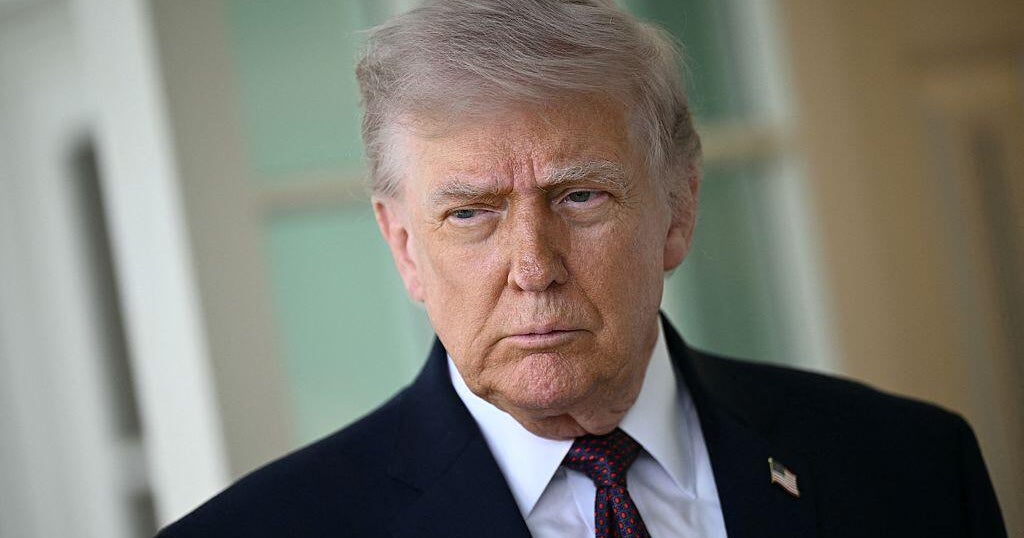
The Senate advances a plan to fund most of the Department of Homeland Security as President Trump pledges to pay all DHS employees amid a partial government shutdown. Lawmakers face divisions over funding immigration enforcement agencies, with Republicans pursuing a two-track strategy to end the shutdown.
Posts tagged as “Mike Johnson”
The Department of Homeland Security (DHS) has rescinded a policy requiring the secretary’s personal review of contracts over $100,000, a change expected to reduce procurement delays that previously hindered agencies like FEMA, CBP, and ICE. Secretary Markwayne Mullin emphasized empowering agency components to make decisions and has also begun reevaluating ICE’s detention facility plans. Meanwhile, amid a partial government shutdown affecting DHS operations, congressional leaders proposed a two-track funding plan to reopen DHS and address immigration enforcement funding separately, though political disagreements continue to stall progress.
The Department of Homeland Security shutdown has become the longest in U.S. history at 45 days, caused by House Republicans rejecting a Senate bipartisan funding package that excluded ICE and parts of CBP. The shutdown has severely impacted TSA operations, leading to staffing shortages and long airport security lines, with ICE agents temporarily assisting TSA amid ongoing disputes between the chambers. Both the House and Senate have recessed until mid-April, while leaders continue negotiations, and President Trump has issued an executive order to pay TSA workers but has yet to compel Congress to return early to resolve the impasse.
The partial government shutdown of the Department of Homeland Security (DHS) has lasted 44 days, primarily affecting TSA operations while other federal agencies remain funded. Efforts to resolve the impasse have stalled due to disagreements between the Republican-controlled House and the Senate, with Democrats demanding immigration-related restrictions before fully funding DHS. The shutdown has caused significant TSA staffing shortages and financial strain, prompting President Trump to order payments to TSA workers, but with Congress out until mid-April, the situation and airport disruptions are expected to continue.
The partial government shutdown has caused major disruptions at U.S. airports, with TSA officers missing paychecks and long security lines, prompting President Trump to order immediate payment to TSA employees to address national security concerns. Despite this relief effort, staffing shortages and low morale persist due to high call-out rates and resignations, while travel experts warn of lasting impacts on TSA operations. The shutdown stems from a political deadlock over DHS funding, particularly disagreements over immigration enforcement funding, with the House and Senate unable to reach a compromise as the stalemate continues beyond 40 days.
The Senate passed a Democratic-backed bill to fund the Department of Homeland Security excluding Immigration and Customs Enforcement (ICE) and Customs and Border Protection (CBP), with Democrats demanding reforms before supporting these agencies. House Republicans, led by Speaker Mike Johnson, oppose the Senate’s approach and plan to introduce a bill funding the entire DHS, including ICE and CBP, though the timing remains uncertain. The funding impasse has drawn sharp criticism from conservatives and frustration from moderate Democrats, leaving the DHS’s financial future uncertain as lawmakers return from recess.
The Senate approved a bill to fund most of the Department of Homeland Security except for Immigration and Customs Enforcement and parts of Customs and Border Protection, continuing a partial government shutdown centered on immigration enforcement funding. The bill aims to restore funding for key agencies like TSA and FEMA amid operational challenges, including TSA staffing shortages and long airport security lines, prompting President Trump to order emergency payments for TSA workers. While Democrats praised the bill for excluding immigration enforcement funding without reforms, House Republican leaders criticized it and have yet to commit to advancing the measure, leaving the shutdown unresolved.