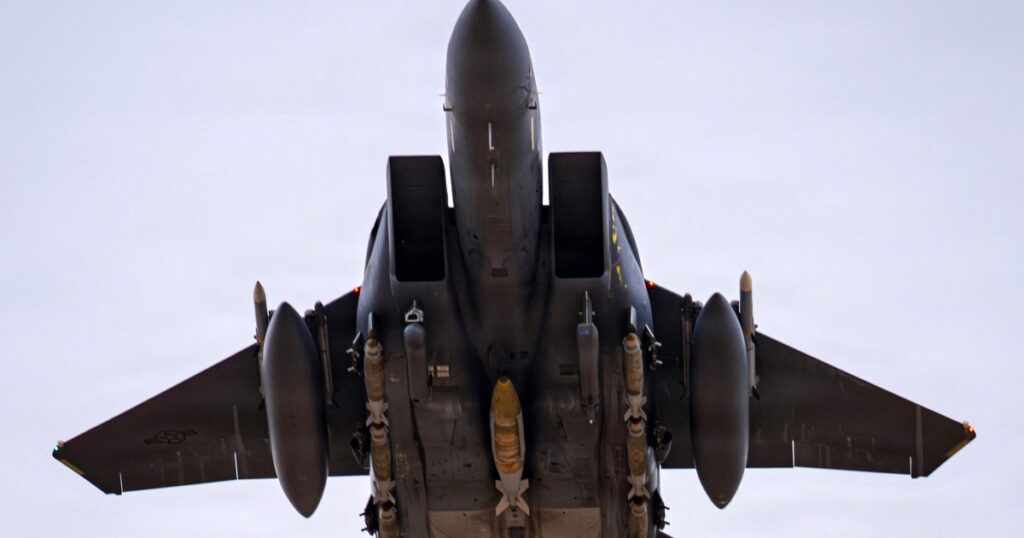
U.S. forces rescued the second crew member of an F-15E fighter jet shot down over Iran, completing a complex operation involving special forces and CIA deception. The injured airman was flown to Kuwait for treatment, with no U.S. casualties reported.
Posts tagged as “Kuwait”
Rising tensions between the United States, Israel, and Iran have led to attacks on critical infrastructure, including a water desalination plant on Qeshm Island and an Iranian drone strike on a Kuwaiti oil tanker, causing regional instability and driving up global energy prices. Israeli Prime Minister Netanyahu claimed significant military progress against Iran and proposed alternative energy routes to bypass Iranian-controlled waterways, while the U.S. considers further military options to secure the Strait of Hormuz. Despite ongoing behind-the-scenes diplomatic efforts, direct negotiations remain stalled as both sides maintain firm demands, prolonging the conflict and uncertainty in the region.
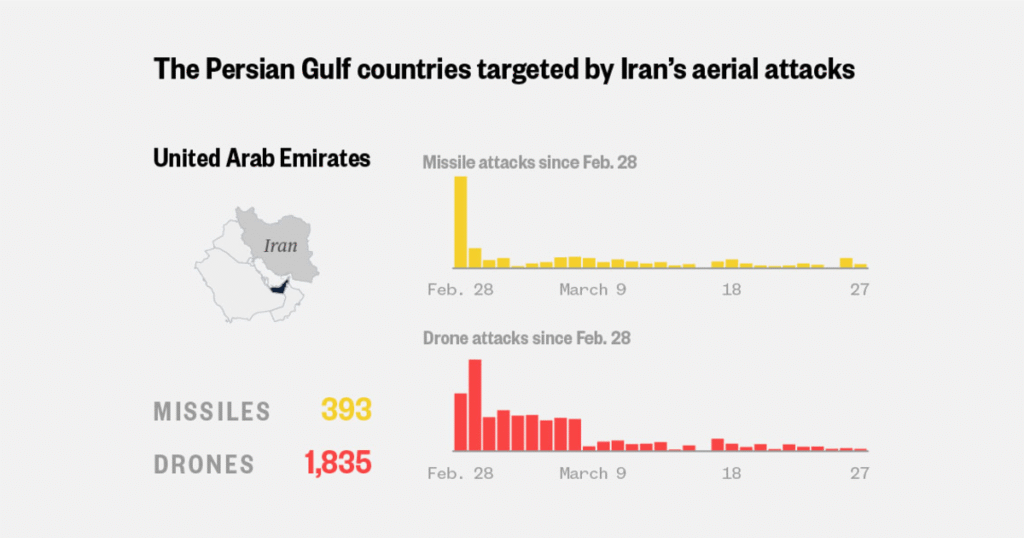
The United States has deployed over 850 Tomahawk cruise missiles in its conflict with Iran, using them at a rate far exceeding annual procurement levels, with current production unable to meet wartime demand. Iran continues daily missile and drone attacks against Gulf neighbors and Israel, causing significant damage to military and energy infrastructure despite high interception rates by regional air defenses. The ongoing hostilities have led to casualties, economic losses, and disruptions to strategic locations like the Strait of Hormuz, posing challenges to regional stability and global energy markets.

President Donald Trump has avoided officially calling the military conflict with Iran a "war," citing constitutional limits on presidential war powers and the need for congressional authorization, though he has occasionally referred to it as such. The legal and political debate continues, with Democrats pushing to restrict the president’s military actions without congressional approval, while Republicans largely oppose these measures. Meanwhile, Ukraine is aiding Gulf nations against Iranian drone attacks by deploying anti-drone specialists, and Senate Republicans are advancing a budget reconciliation bill focused on conservative priorities, including military funding related to the Iran conflict.
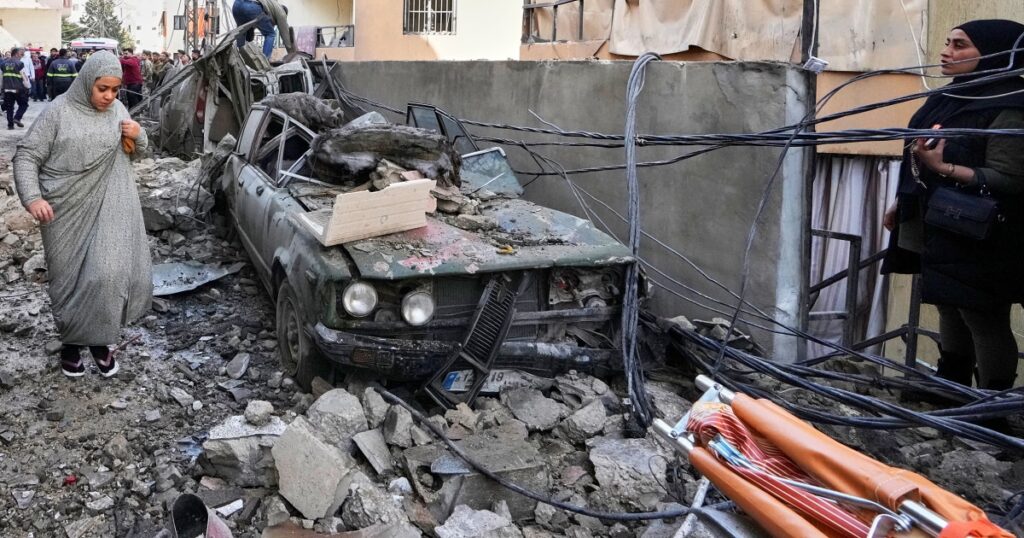
The Trump administration has been considering a high-risk operation involving the Joint Special Operations Command to seize Iran's enriched uranium stockpiles amid ongoing military efforts targeting Tehran and its allies. While initial U.S.-Israel campaigns focused on Iran's conventional military assets, the strategy has shifted toward preventing Iran from acquiring nuclear weapons, despite challenges posed by Iran's continued enrichment and regional counterattacks. Concurrently, escalating conflict in Lebanon, driven by Israeli strikes against Hezbollah and fears of a ground invasion, has displaced thousands and heightened tensions along the border, with uncertain prospects for a lasting resolution.
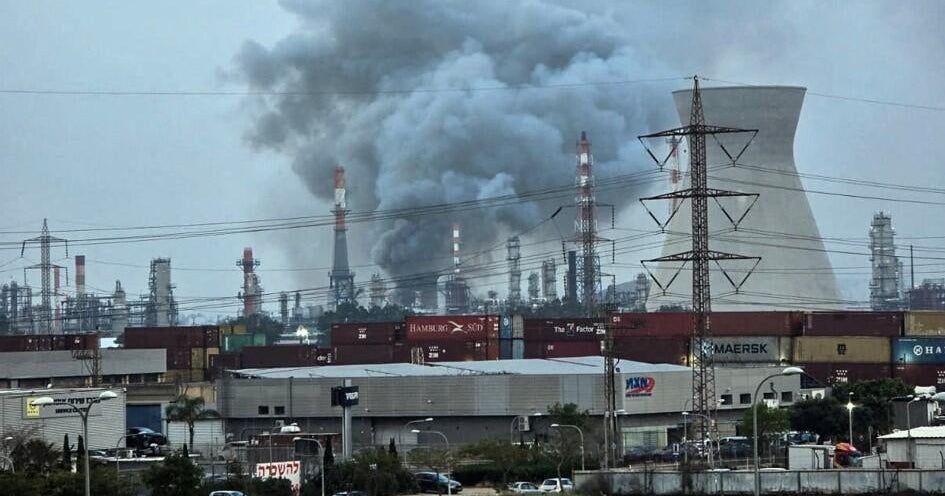
The conflict involving the United States, Israel, and Iran has intensified tensions across the Persian Gulf, with Iran launching retaliatory strikes on energy and civilian infrastructure in neighboring countries, prompting a high-level Gulf states meeting in Riyadh to address the escalating crisis. These attacks have severely impacted regional security and global energy markets, causing significant damage to oil and gas facilities and driving up oil prices, while military confrontations have included missile strikes, air raids, and the emergency landing of a U.S. F-35 jet. Despite widespread alerts and civilian sheltering, Gulf states remain divided on their response, with calls for de-escalation and ceasefire from some, amid fears of broader regional destabilization.

The conflict between Israel, the United States, and Iran has escalated sharply after an Israeli strike on Iran’s South Pars gas field, prompting Iranian retaliatory attacks on energy infrastructure across Gulf states and causing major disruptions to global energy supplies. These attacks have led to soaring oil and natural gas prices, closure of the Strait of Hormuz to tanker traffic, and heightened regional tensions, with international actors calling for de-escalation amid widespread condemnation. The ongoing crisis threatens regional stability and global markets, while diplomatic efforts have so far failed to resolve the conflict, leaving the situation highly volatile.
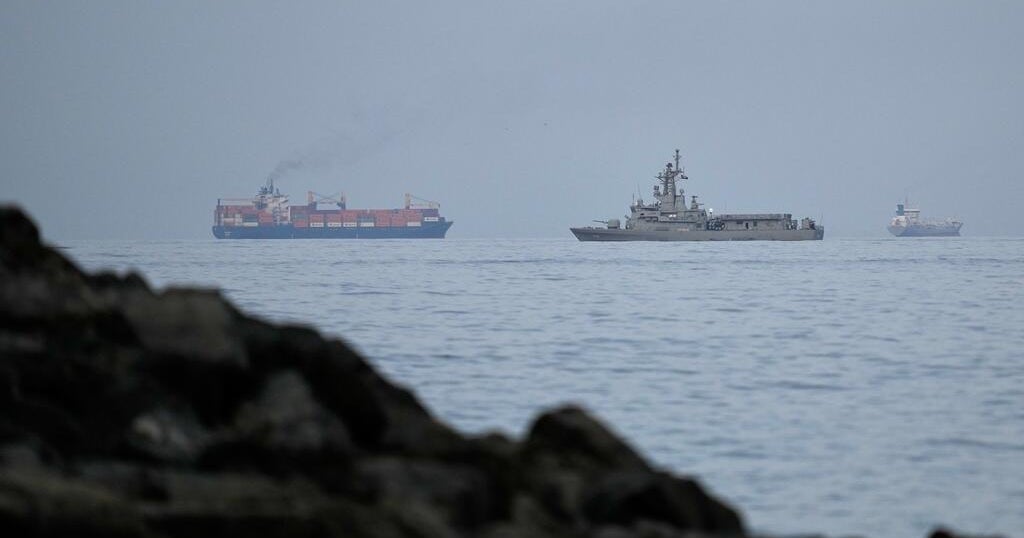
The Trump administration is considering a military operation to escort oil tankers through the Strait of Hormuz following a series of attacks on vessels in the Persian Gulf, which have disrupted global oil shipments and driven up prices. The proposed operation involves neutralizing Iranian threats through strikes on missile and drone facilities before providing convoy protection with U.S. Navy ships and international partners, amid ongoing drone attacks by Iran targeting U.S. bases and regional infrastructure. As the conflict escalates, the U.S. and allies are working to secure critical maritime routes and counter Iran’s advanced drone warfare capabilities in a highly volatile environment.