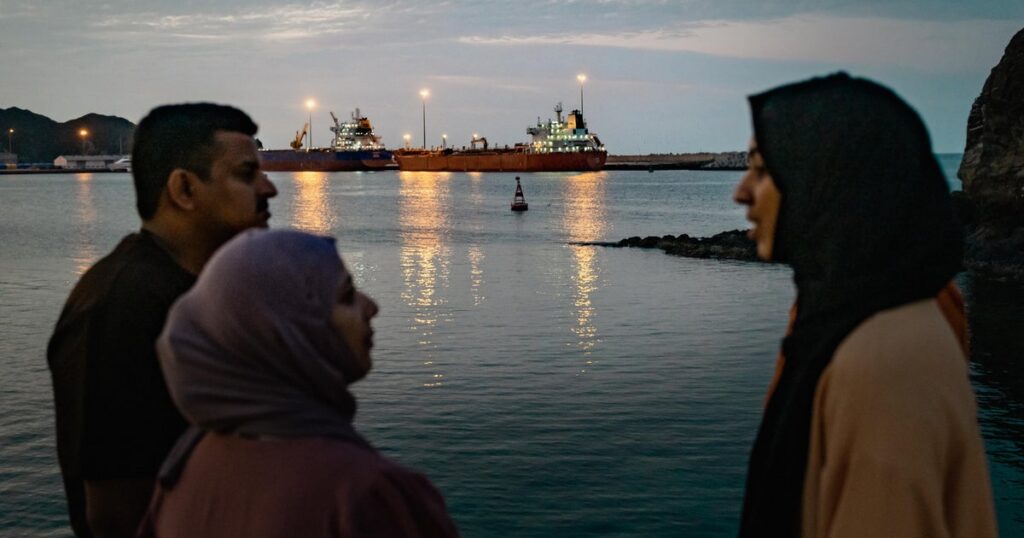
President Donald Trump postponed his ultimatum for Iran to reopen the Strait of Hormuz, citing ongoing "good and productive" negotiations amid escalating regional tensions and threats of military strikes. Iran denied direct talks with the U.S., accusing Washington of initiating the conflict and dismissing claims of missile attacks, while international markets reacted positively to the delay with rising stock futures and falling oil prices. The conflict has caused significant casualties in Iran, prompted internal crackdowns, and led to cautious diplomatic responses, with U.S. officials defending their hardline stance as necessary to de-escalate the situation.
Posts tagged as “Gulf Arab”
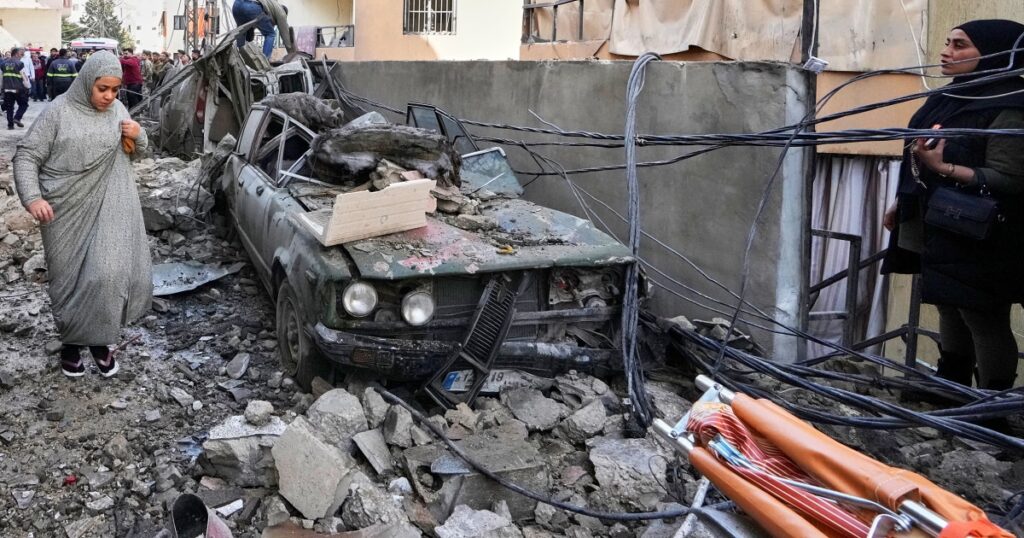
The Trump administration has been considering a high-risk operation involving the Joint Special Operations Command to seize Iran's enriched uranium stockpiles amid ongoing military efforts targeting Tehran and its allies. While initial U.S.-Israel campaigns focused on Iran's conventional military assets, the strategy has shifted toward preventing Iran from acquiring nuclear weapons, despite challenges posed by Iran's continued enrichment and regional counterattacks. Concurrently, escalating conflict in Lebanon, driven by Israeli strikes against Hezbollah and fears of a ground invasion, has displaced thousands and heightened tensions along the border, with uncertain prospects for a lasting resolution.
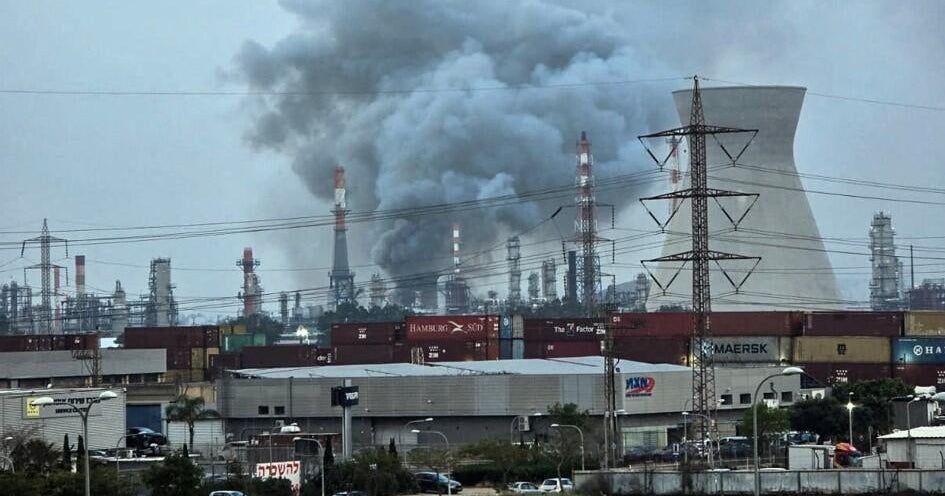
The conflict involving the United States, Israel, and Iran has intensified tensions across the Persian Gulf, with Iran launching retaliatory strikes on energy and civilian infrastructure in neighboring countries, prompting a high-level Gulf states meeting in Riyadh to address the escalating crisis. These attacks have severely impacted regional security and global energy markets, causing significant damage to oil and gas facilities and driving up oil prices, while military confrontations have included missile strikes, air raids, and the emergency landing of a U.S. F-35 jet. Despite widespread alerts and civilian sheltering, Gulf states remain divided on their response, with calls for de-escalation and ceasefire from some, amid fears of broader regional destabilization.
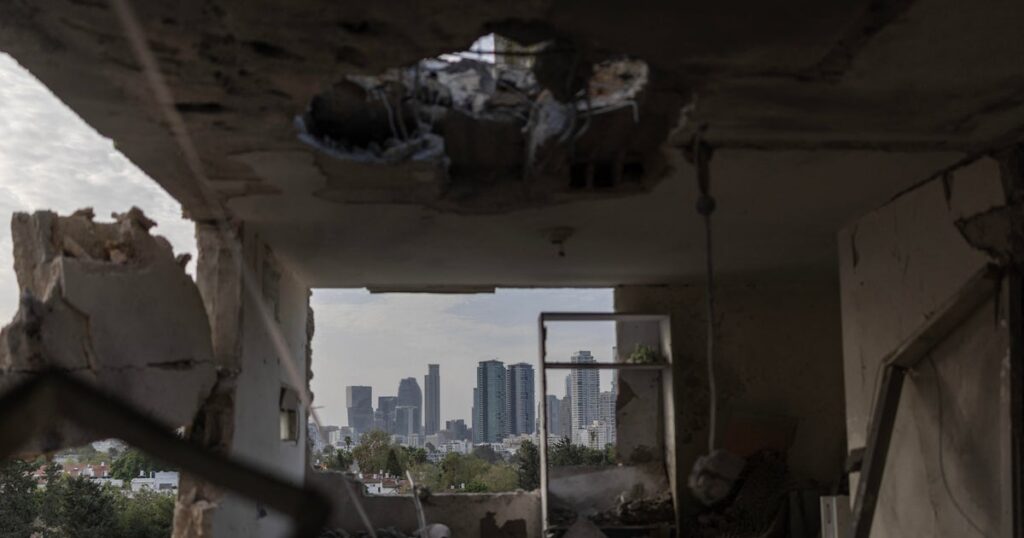
The conflict between Israel, the United States, and Iran has escalated sharply after an Israeli strike on Iran’s South Pars gas field, prompting Iranian retaliatory attacks on energy infrastructure across Gulf states and causing major disruptions to global energy supplies. These attacks have led to soaring oil and natural gas prices, closure of the Strait of Hormuz to tanker traffic, and heightened regional tensions, with international actors calling for de-escalation amid widespread condemnation. The ongoing crisis threatens regional stability and global markets, while diplomatic efforts have so far failed to resolve the conflict, leaving the situation highly volatile.
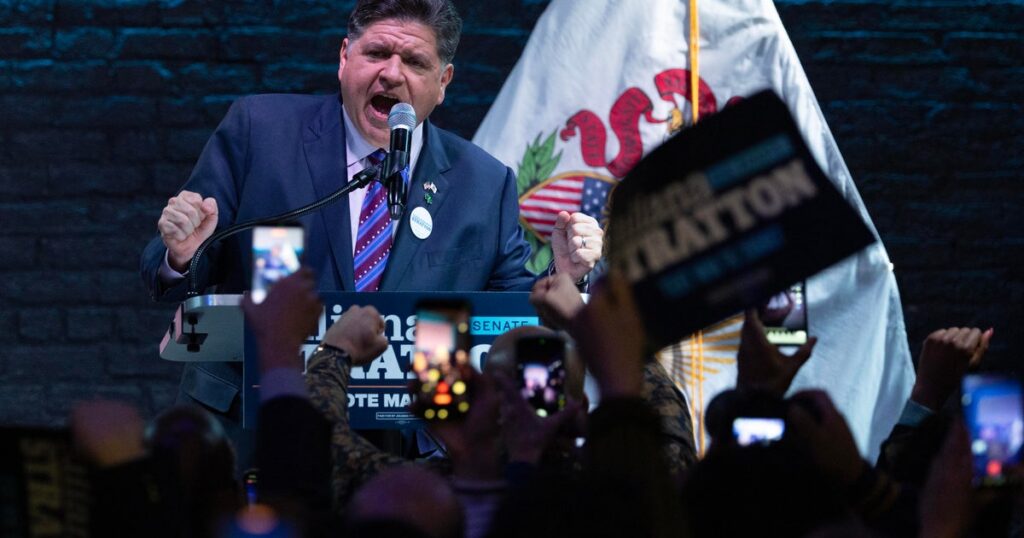
Illinois Democratic primaries showcased Governor JB Pritzker’s political influence, particularly through his substantial financial support for Lt. Governor Juliana Stratton, who won the U.S. Senate primary and could become the sixth Black woman in the Senate if victorious in the general election. Stratton’s campaign, backed by prominent endorsements and opposition to ICE, overcame strong fundraising and polling by her main rival, Representative Raja Krishnamoorthi, highlighting Pritzker’s sway in state politics ahead of a possible 2028 presidential bid. Additionally, outside spending from pro-Israel, cryptocurrency, and AI groups totaled over $52 million across key races, reflecting the growing impact of specialized interest groups on primary outcomes.
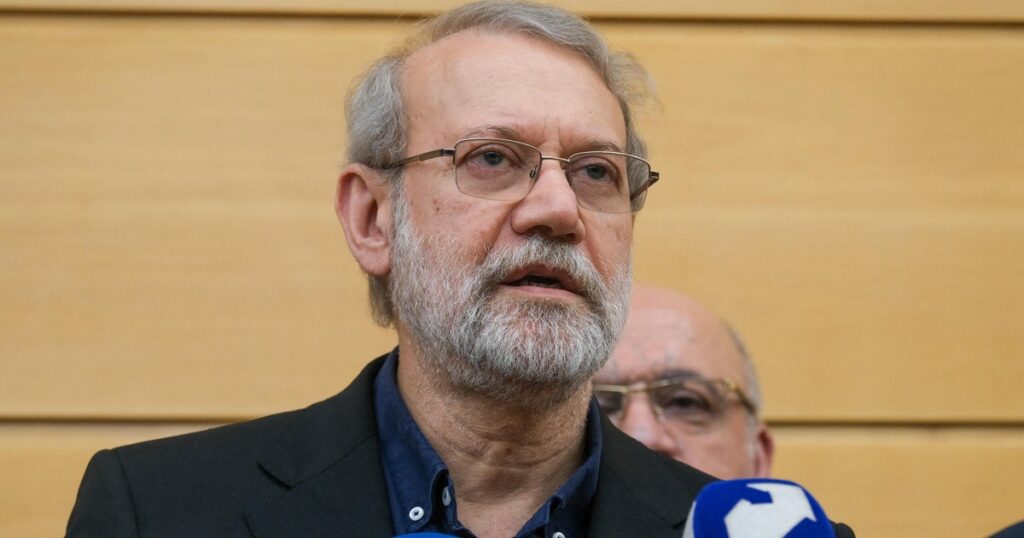
Israel announced the killing of Ali Larijani, a top Iranian security official and former head of Iran's Supreme National Security Council, along with several associates in overnight airstrikes, marking a significant escalation in the conflict with Iran. Larijani’s death removes a key insider known for balancing military action with negotiation, potentially hardening Iran’s stance, while Israel also targeted General Gholam Reza Soleimani, accused of repressing protesters. These assassinations have heightened regional tensions, disrupted global oil markets, and may entrench hardline factions in Iran, reducing prospects for a political resolution.
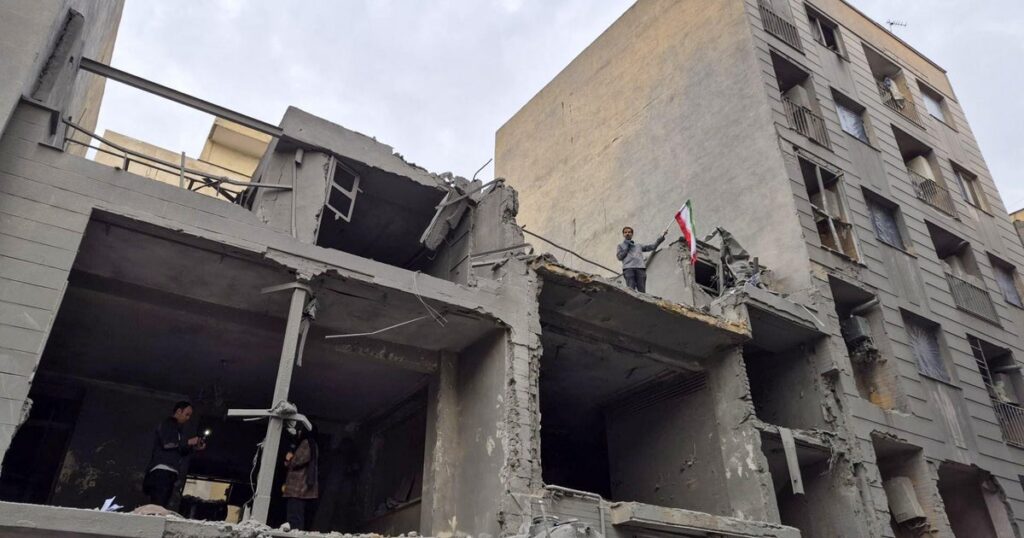
Tensions in the Middle East have intensified following Israeli strikes that killed senior Iranian officials, prompting Iranian missile and drone retaliations primarily targeting the UAE and escalating violence in Lebanon involving Hezbollah. The conflict has caused significant civilian casualties and infrastructure damage, drawing international concern and calls for negotiated peace, while also disrupting global energy markets and raising oil prices. Meanwhile, diplomatic efforts, including a planned U.S.-China summit, face uncertainty as the conflict diverts attention and complicates international relations.
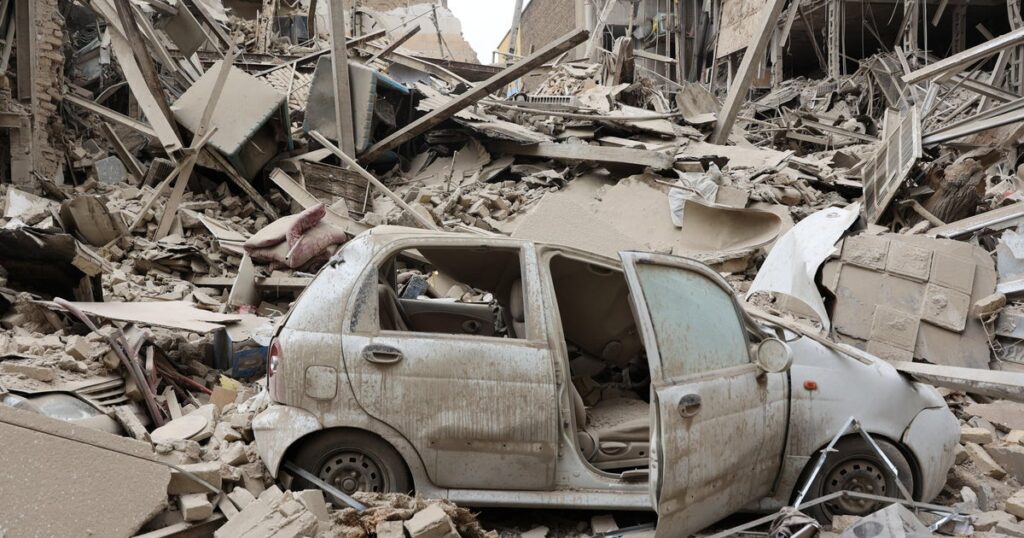
President Donald Trump has urged countries dependent on oil shipments through the Strait of Hormuz to help reopen the waterway, which Iran has effectively closed amid escalating regional conflict following a U.S.-Israeli military campaign. However, many traditional U.S. allies, including European and Pacific nations, have declined to participate in securing the strait, emphasizing diplomacy and conflict resolution over military involvement. The ongoing tensions have driven up global oil prices, strained international relations, and resulted in significant military engagements and regional instability.