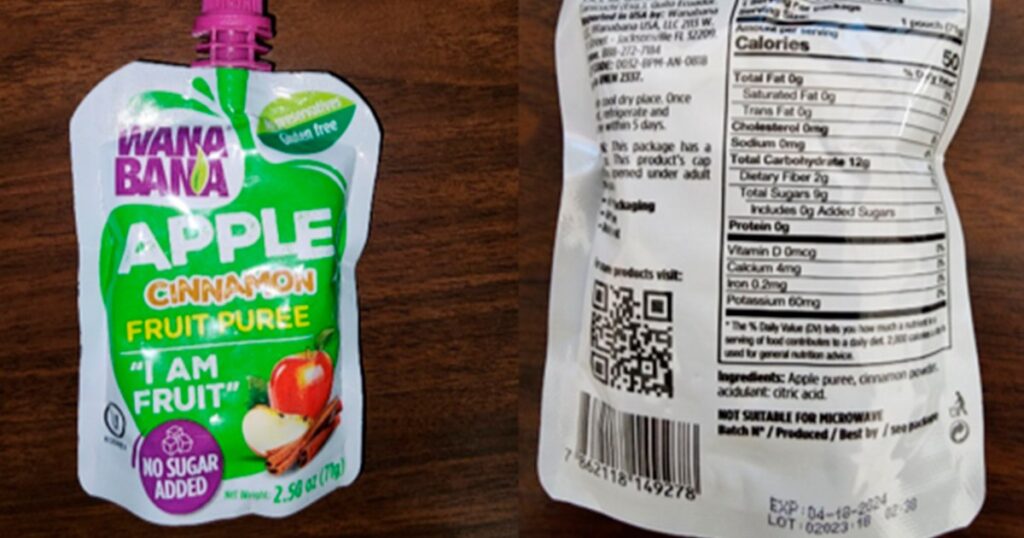
The FDA is expanding an investigation into potentially lead-tainted pouches of apple cinnamon fruit puree marketed for children, with reports of seven illnesses in at least five states possibly linked to the contaminated puree. Two new companies have recalled certain cinnamon applesauce products due to the potential for high levels of lead, and the FDA is urging parents to check their homes for the recalled products and to discard them immediately. The FDA is working with the CDC to monitor the situation and is recommending that children under the age of six be tested for lead poisoning if they have been exposed to lead-tainted products.
Posts tagged as “FDA”

The FDA is considering the approval of exa-cel, a new drug developed by Vertex Pharmaceuticals that could be the first cure available for many patients with sickle cell disease. The illness affects an estimated 100,000 people in the U.S., mostly Black, and causes anemia, pain, and organ damage. If approved, exa-cel would be the first drug to use the groundbreaking gene-editing tool CRISPR and provide a universally available, potentially curative option for individuals with sickle cell. The FDA is expected to make a decision on the drug in the coming months.
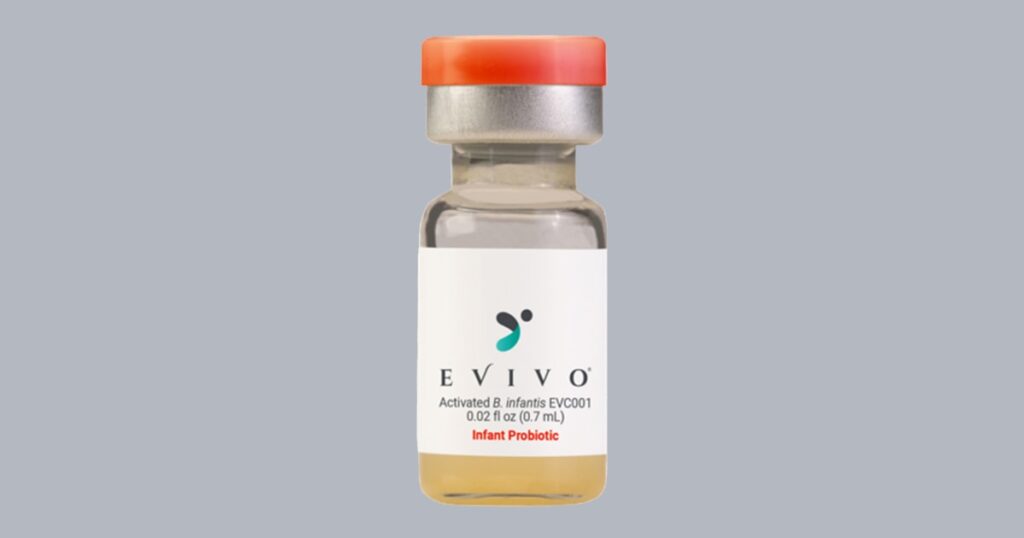
The FDA has issued a warning about the potential dangers of probiotics for preterm infants, citing more than two dozen adverse events linked to the products since 2018. The agency is investigating whether probiotics have contributed to other cases in babies and has sent a letter to health care providers about the dangers of these products. Parents and caregivers are urged to talk to their health care provider before giving probiotics to preterm infants and to report any adverse events to the FDA's MedWatch Adverse Event Reporting program.

The FDA is investigating the death of a 21-year-old woman with a heart condition who allegedly died after consuming a highly caffeinated lemonade from Panera Bread. The lawsuit filed by the woman's family claims that Panera failed to properly warn consumers about the drink's ingredients, which contain more caffeine than a standard can of Red Bull and Monster energy drinks combined. The FDA is gathering information about the incident and is working to determine if the drink was responsible for the woman's death, and if Panera should have provided more information about the drink's ingredients.

The FDA is proposing a ban on hair-smoothing and hair-straightening products containing formaldehyde due to potential health impacts, including an increased risk of certain cancers. This proposed ban is in response to pressure from Democratic Reps. Ayanna Pressley and Shontel Brown, and hundreds of Black people filing lawsuits against big-name beauty and cosmetic retailers. The FDA is currently seeking public comment on the issue, which will be open for the next 60 days before a final decision is made.
The FDA and CDC are expecting to approve a new COVID-19 booster shot to broaden immunity against currently circulating variants of the virus in the coming weeks. Vaccinated Americans are being warned against seeking out another booster this month, and instead should continue to follow safety protocols and get the current vaccine now. The updated booster shot will be available to the public in mid-September.
Key takeaways: The U.S. Food and Drug Administration (FDA) has approved the first vaccine to protect babies from Respiratory Syncytial Virus (RSV) before they are…
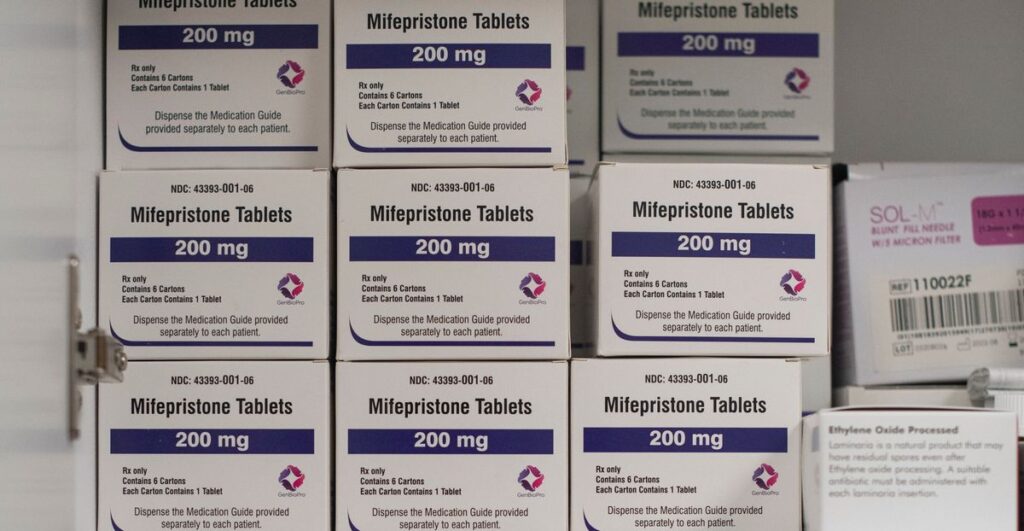
The Fifth Circuit Court of Appeals ruled that the FDA failed to address safety concerns when it made the abortion pill mifepristone easier to obtain in 2016. The ruling is a win for abortion opponents, who argued that the FDA’s alterations to the drug’s disbursement regime in 2016 qualified as “reopening” the question of its initial approval. The court said that mifepristone should remain available under the rules that were in place from 2000 to 2016, which will likely have a significant impact on the availability of the drug.