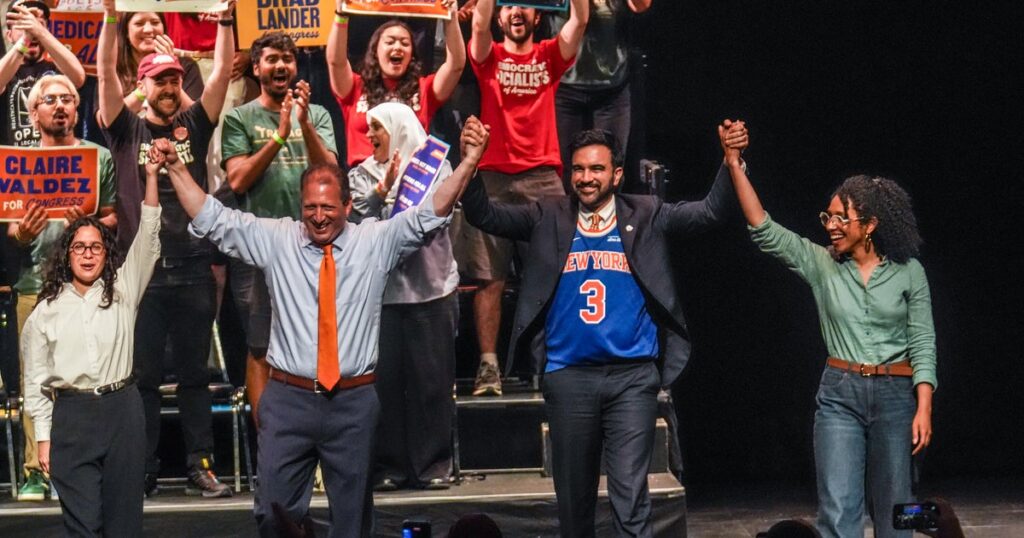
Primaries in four states will test the influence of Zohran Mamdani, Donald Trump and major outside groups. Key races include several New York House contests, South Carolina’s GOP governor runoff and open seats in Maryland and Utah.
Posts tagged as “Elise Stefanik”
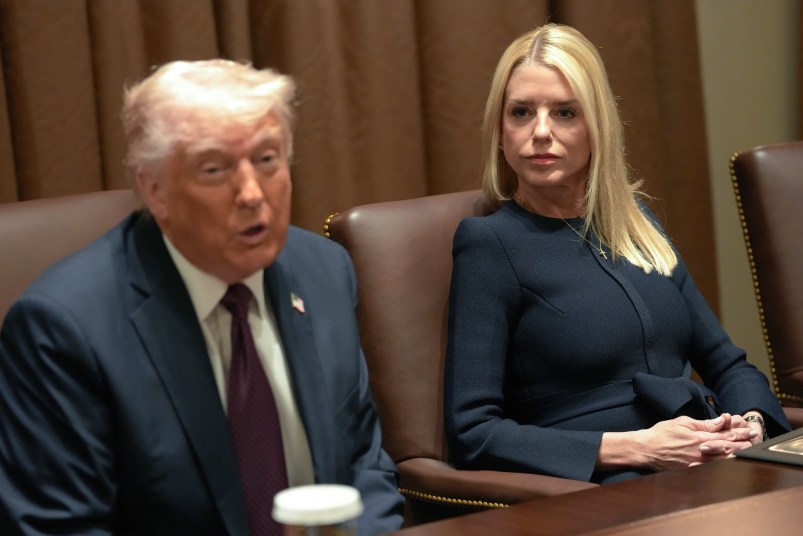
Attorney General Pam Bondi has publicly addressed a significant breach involving a Signal group chat at the highest levels of the U.S. government, ruling out an investigation and instead defending the Trump administration while criticizing its detractors. This decision has sparked debate over whether Bondi's stance serves as a protective measure for the administration or a strategic focus on other priorities, with the controversy becoming a key point in discussions about the Trump administration's national security handling. Concurrently, President Trump withdrew Elise Stefanik's nomination for U.N. ambassador, fueling speculation about the administration's internal dynamics and approach to appointments, all within a rapidly evolving political landscape.
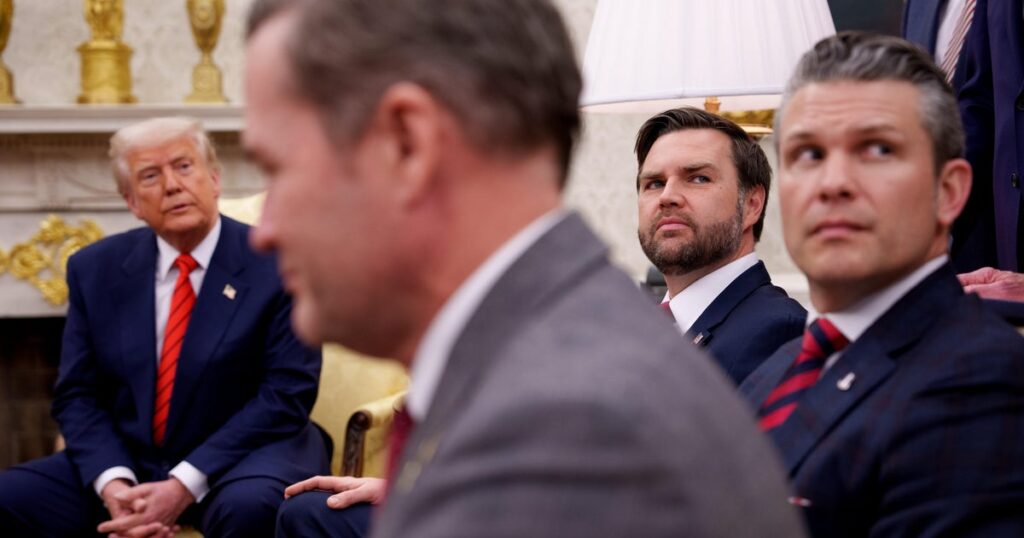
President Donald Trump has expressed frustration with national security adviser Michael Waltz over the use of the Signal app for discussing sensitive military operations, which inadvertently included journalist Jeffrey Goldberg in a group chat. The incident has raised security concerns, but Trump's irritation is reportedly more about Waltz having Goldberg's contact information than the app's use. Additionally, Trump's discussions with Waltz about withdrawing Rep. Elise Stefanik’s nomination as U.S. ambassador to the UN have added to his frustration, though both Waltz and Defense Secretary Pete Hegseth remain in their positions.
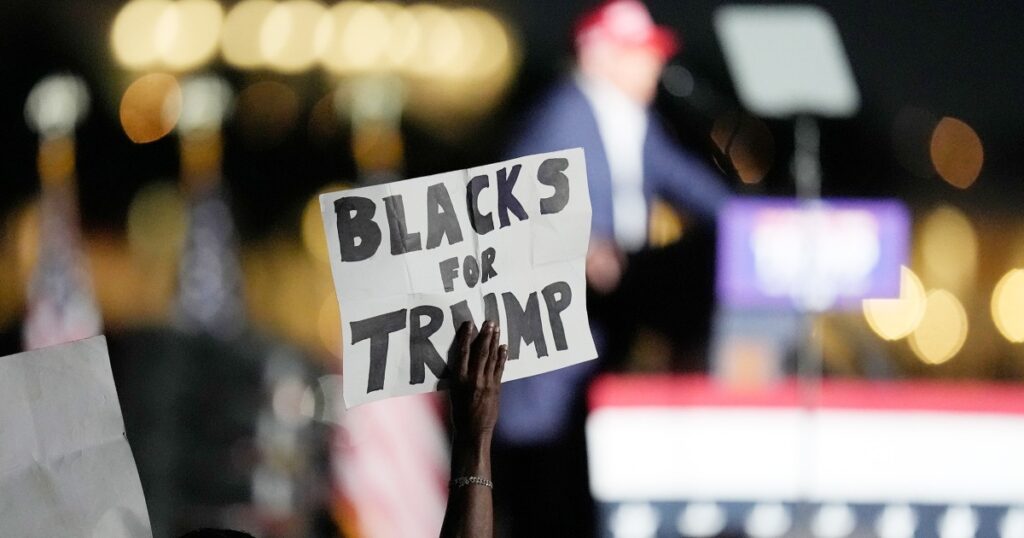
In a recent congressional hearing, tensions rose as Democrats criticized Republicans for considering the defunding of public media organizations like NPR and PBS, emphasizing their importance in providing educational content and local news. Despite testimonies from the CEOs of these organizations defending their societal contributions, House Republicans remained firm in their stance to reduce or eliminate funding, aligning with former President Trump's similar advocacy. This debate over public media funding reflects broader partisan divides and comes amid other political maneuvers, such as Trump's withdrawal of Rep. Elise Stefanik's U.N. ambassador nomination due to concerns over the GOP's narrow House majority.
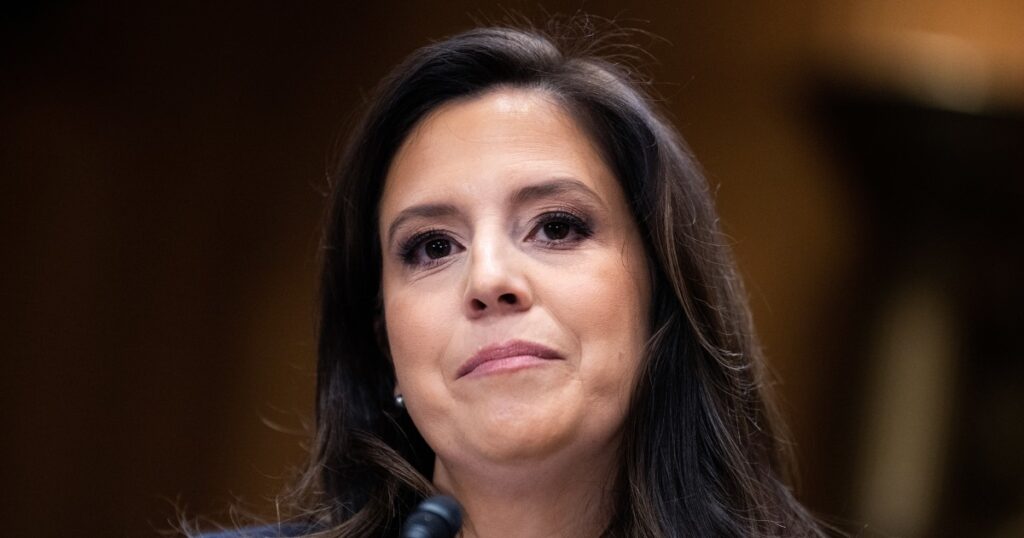
President Donald Trump has withdrawn the nomination of Representative Elise Stefanik for U.S. ambassador to the United Nations, asking her to continue her work in Congress due to the Republican Party's narrow majority in the House. This decision ends a two-month period of uncertainty for Stefanik, who is recognized for her loyalty to Trump and influence within the party. By keeping Stefanik in Congress, Trump aims to bolster Republican legislative efforts on key issues like tax cuts and border security, highlighting the strategic importance of her role in maintaining the party's legislative momentum.
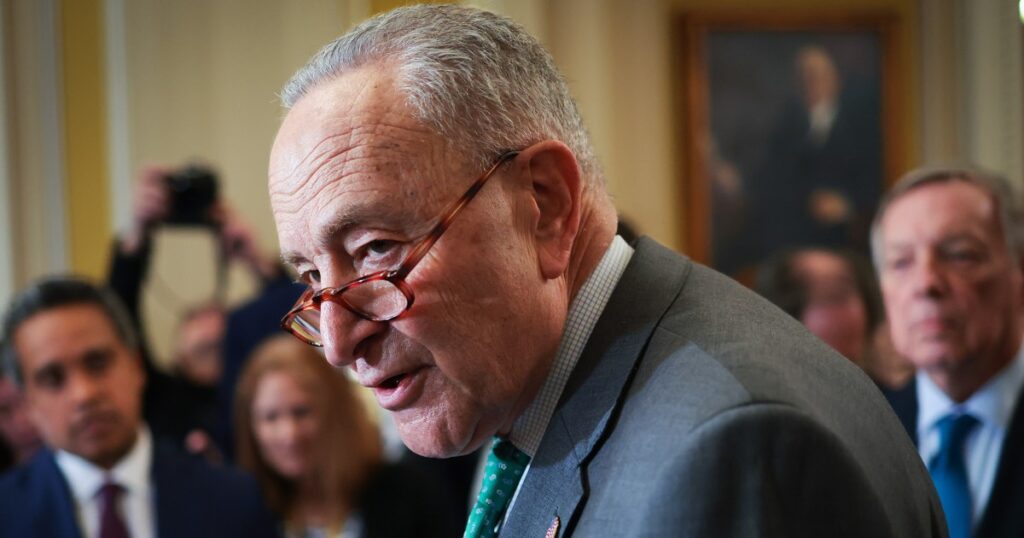
Senate Democrats are facing a dilemma after the House passed a Republican stopgap funding bill, as they must choose between supporting a measure they oppose or risking a government shutdown. They plan to block the bill to negotiate terms that better align with their priorities, which could significantly impact government operations and the political landscape. Meanwhile, the Senate is confirming President Trump's Cabinet nominees, with Elise Stefanik's UN ambassador nomination pending, and upcoming special elections could affect the House's narrow Republican majority.
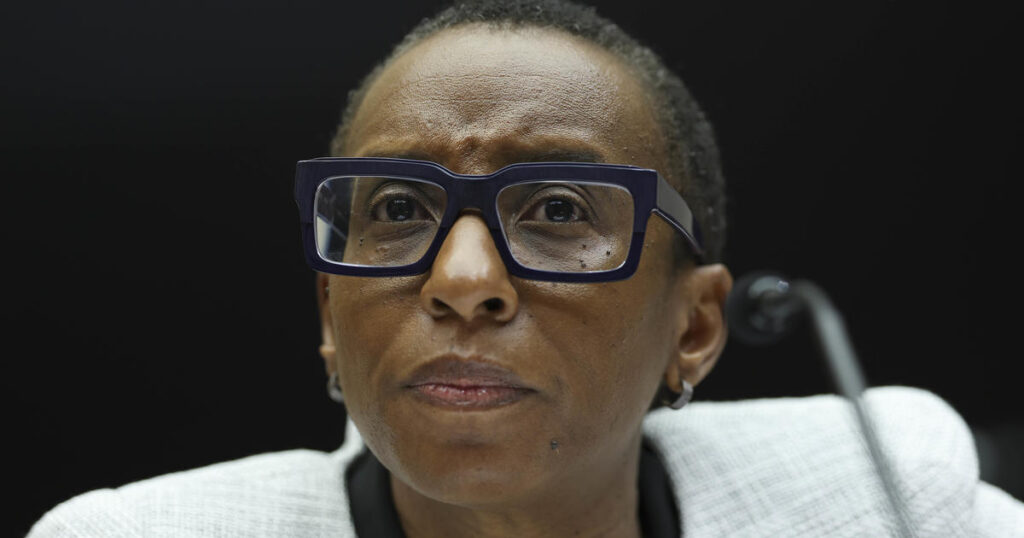
Harvard University President Claudine Gay will remain in her position, the school’s governing board announced Tuesday following a week of outcry over her testimony at a congressional hearing on antisemitism. The Harvard Corporation expressed their confidence in Gay’s leadership and her commitment to redoubling the University’s fight against antisemitism. Gay had issued an apology and promised to take steps to address antisemitism on campus, which the Corporation’s decision to keep her in office is seen as a sign of support for.

Wesleyan University President Michael Roth has spoken out on the issue of antisemitism on college campuses, emphasizing the importance of university presidents speaking out against hate speech and fostering a culture of respect and tolerance. This has sparked a debate about the role of university presidents in addressing hate speech and antisemitism, with Roth being critical of the other two college presidents who were present at the hearing. It is clear that university presidents must take an active role in speaking out against hate speech and fostering a culture of respect and tolerance.