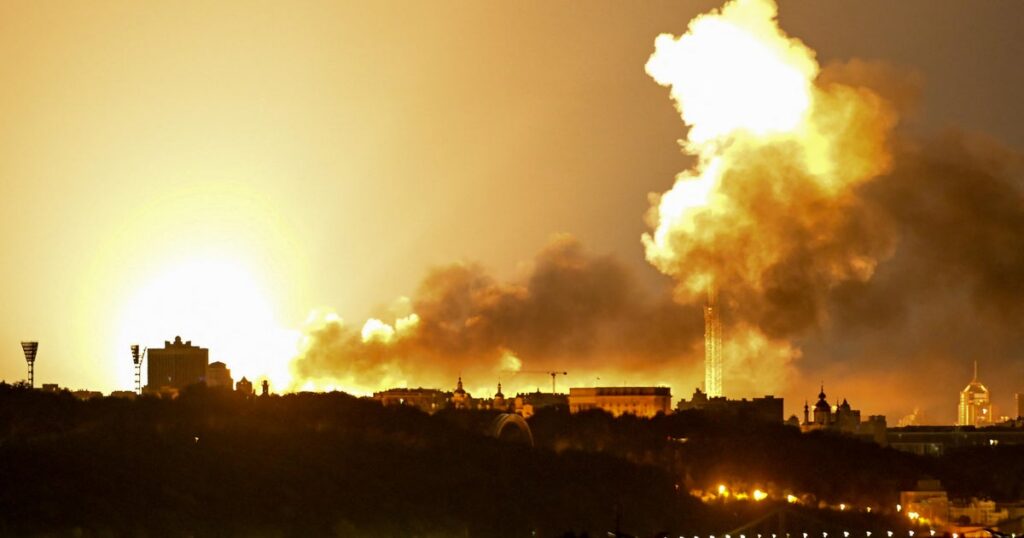
Russian drone strikes killed two and wounded two in Odesa ahead of a 32-hour Orthodox Easter ceasefire. A prisoner exchange returned 175 Russian soldiers, while both sides prepared for the ceasefire amid ongoing tensions.
Posts tagged as “Eastern Ukraine”
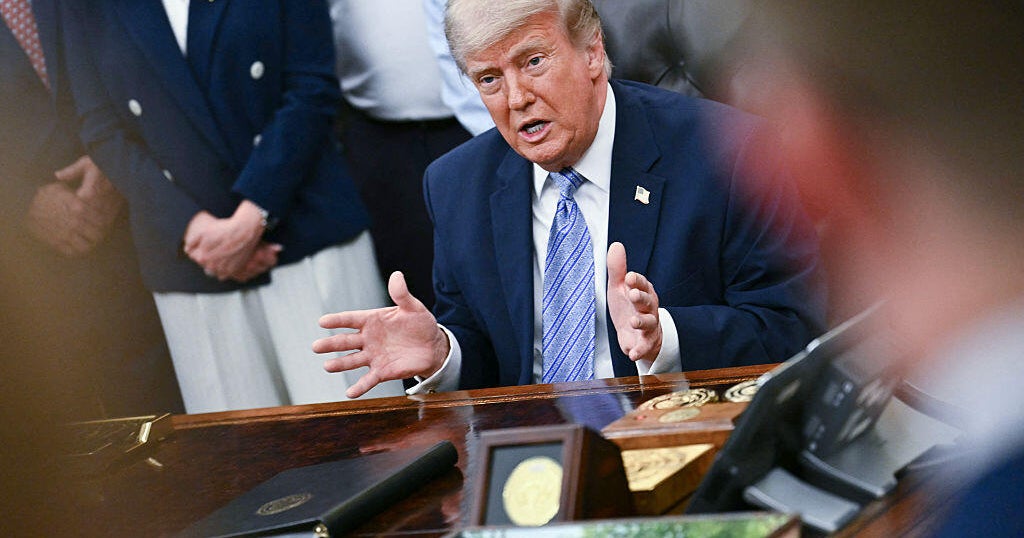
President Donald Trump indicated that U.S. military operations against Iran could end within two to three weeks, leading to a decline in oil prices and gains in global stock markets amid hopes for de-escalation. Trump also threatened to withdraw the U.S. from NATO over European allies’ lack of support for the Iran campaign, raising concerns among members and potentially benefiting Russia. Meanwhile, Pakistan has offered to mediate peace talks between the U.S. and Iran, backed by regional powers, but its efforts are complicated by ongoing conflict with Afghanistan that threatens regional stability.
Gasoline and diesel prices in the U.S. have surged to levels not seen since mid-2022, driven by escalating conflict involving Iran and disruptions to oil supply through the Strait of Hormuz. The war has caused crude oil prices to rise sharply, with diesel reaching $5.45 per gallon and gasoline surpassing $4.00, leading to significant economic impacts such as reduced consumer spending and increased household fuel expenses. Globally, energy-dependent countries face inflation and economic slowdowns as the conflict continues to disrupt oil markets.
U.S. financial markets declined sharply amid fading hopes for imminent peace talks between the U.S. and Iran, with major stock indexes falling and bond yields rising, leading to increased mortgage rates globally. Oil prices surged over 40% since the conflict began, driven by heightened tensions, while diplomatic efforts stalled as Iran rejected a U.S. peace proposal seen as one-sided. Military actions, including the targeted killing of an Iranian naval commander by Israel and significant U.S. strikes on Iran’s navy, have escalated the conflict, with warnings from President Trump and concerns over Russia’s involvement further complicating the geopolitical landscape.
President Donald Trump has avoided officially calling the military conflict with Iran a "war," citing constitutional limits on presidential war powers and the need for congressional authorization, though he has occasionally referred to it as such. The legal and political debate continues, with Democrats pushing to restrict the president’s military actions without congressional approval, while Republicans largely oppose these measures. Meanwhile, Ukraine is aiding Gulf nations against Iranian drone attacks by deploying anti-drone specialists, and Senate Republicans are advancing a budget reconciliation bill focused on conservative priorities, including military funding related to the Iran conflict.
President Donald Trump announced a five-day postponement of planned airstrikes on Iran’s energy infrastructure, citing productive talks aimed at reopening the strategically vital Strait of Hormuz. While Trump claimed progress in negotiations, Iran denied any direct communication and viewed the delay as a tactic to lower energy prices and prepare militarily. The situation remains tense, with global energy prices surging and experts warning that the coming days will be crucial in determining whether diplomacy will de-escalate the conflict or if hostilities will intensify.
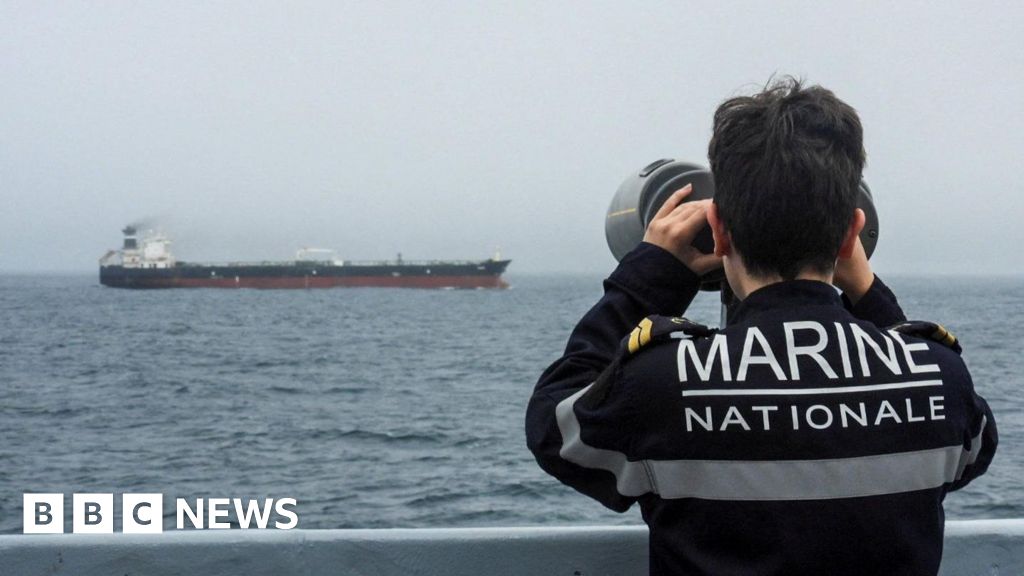
The U.S. Treasury Department has temporarily eased sanctions on Iranian oil shipments already at sea to help lower soaring global energy prices, allowing purchases of oil loaded before a specified deadline until April 19. This narrowly tailored move aims to increase supply without significantly benefiting Iran financially, marking a shift from previous maximum pressure policies amid ongoing tensions and geopolitical conflicts affecting oil markets. However, experts remain skeptical about the relief’s effectiveness, while high fuel costs continue to impact industries like aviation, prompting operational adjustments and discussions of increased security measures in critical shipping routes.