
Recent U.S.-Russia talks in Saudi Arabia have led to agreements aimed at reducing military tensions and ensuring safe navigation in the Black Sea, with both Russia and Ukraine committing to a ceasefire and a ban on attacks on energy facilities. These discussions, facilitated by American negotiators, focused on maritime security and the protection of energy infrastructure, marking a potential step forward in mediating peace between the two nations. While the agreements represent progress, the broader conflict remains complex, necessitating further negotiations and continued U.S. mediation efforts.
Posts tagged as “Eastern Ukraine”
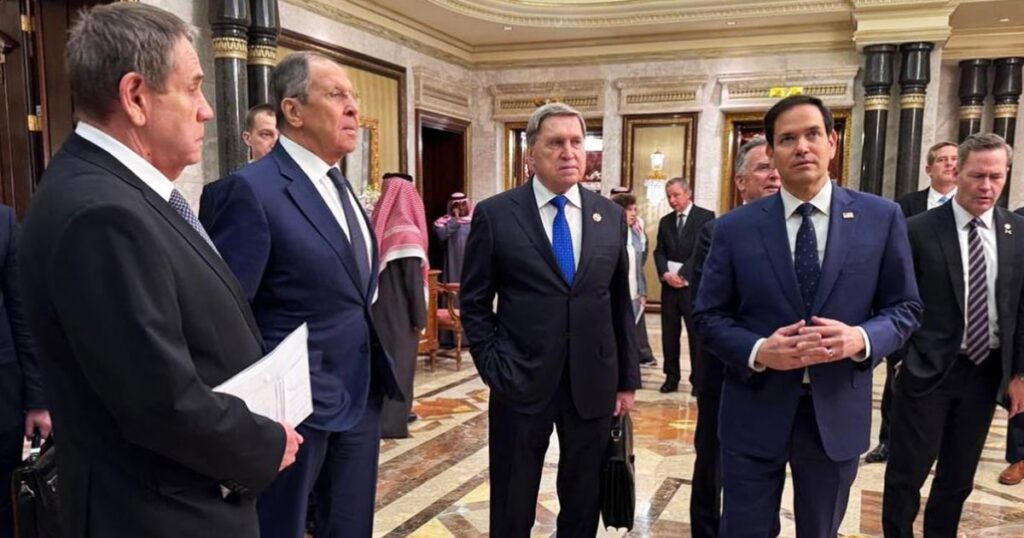
The anticipated joint statement from the United States and Russia regarding a potential ceasefire in Ukraine was not released, as Russian officials continued to review details from recent talks held in Saudi Arabia. These discussions aimed to establish a maritime ceasefire in the Black Sea, but despite initial optimism from the U.S. team, no written agreement was reached. The absence of a formal agreement highlights the ongoing complexities and challenges in achieving a diplomatic resolution to the conflict, as Russian military operations in Ukraine persist.

Tensions between Russia and Ukraine have intensified following mutual accusations of air attacks on civilian targets, despite an alleged agreement between Russian President Vladimir Putin and former U.S. President Donald Trump to halt such strikes. Discrepancies have arisen between the Kremlin's account and statements from Trump and the White House, with Russia reportedly launching drone strikes on Ukrainian civilian areas despite the supposed ceasefire. Ukrainian President Volodymyr Zelenskyy has called for increased international pressure on Moscow, highlighting the complexities and challenges of diplomatic negotiations amid ongoing hostilities.
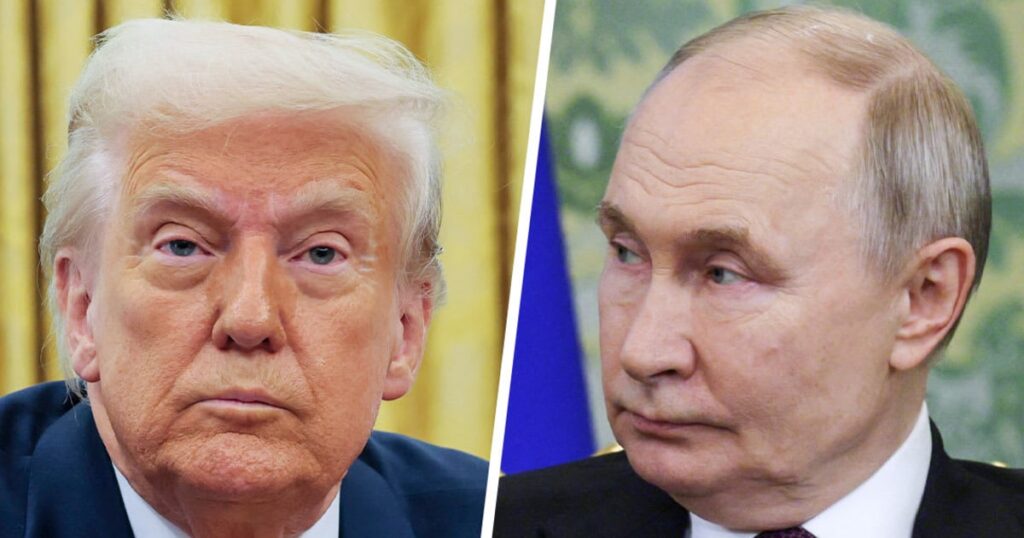
U.S. President Donald Trump and Russian President Vladimir Putin have agreed to initiate steps toward a peace agreement for the Russia-Ukraine conflict, focusing initially on a maritime ceasefire in the Black Sea. The White House emphasized the need for genuine peace efforts, while the Kremlin highlighted the importance of halting foreign military aid to Kyiv as a condition for progress. This agreement marks a significant diplomatic effort, with both sides committed to exploring avenues for peace, and the international community will be closely watching the negotiations.
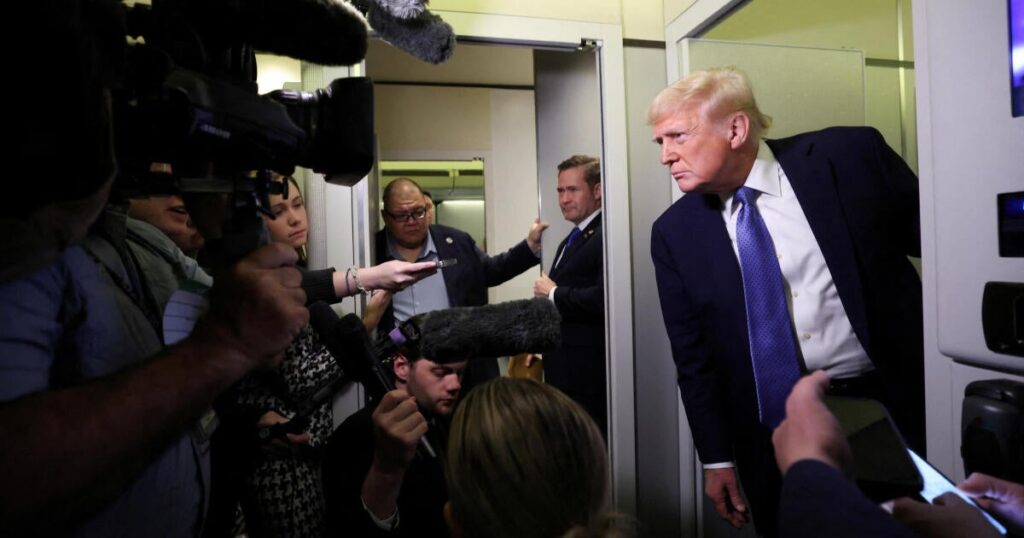
Negotiations between Washington and Moscow have begun to address the division of assets between Russia and Ukraine, aiming to end the ongoing conflict that started with Russia's invasion of Ukraine. President Donald Trump announced plans to discuss the matter further with Russian President Vladimir Putin, focusing on assets like land and power plants as potential steps toward resolution. While a recent proposal for a 30-day ceasefire was made in Saudi Arabia, further discussions are necessary as President Putin has not yet committed to a formal agreement, though diplomatic efforts continue with cautious optimism.
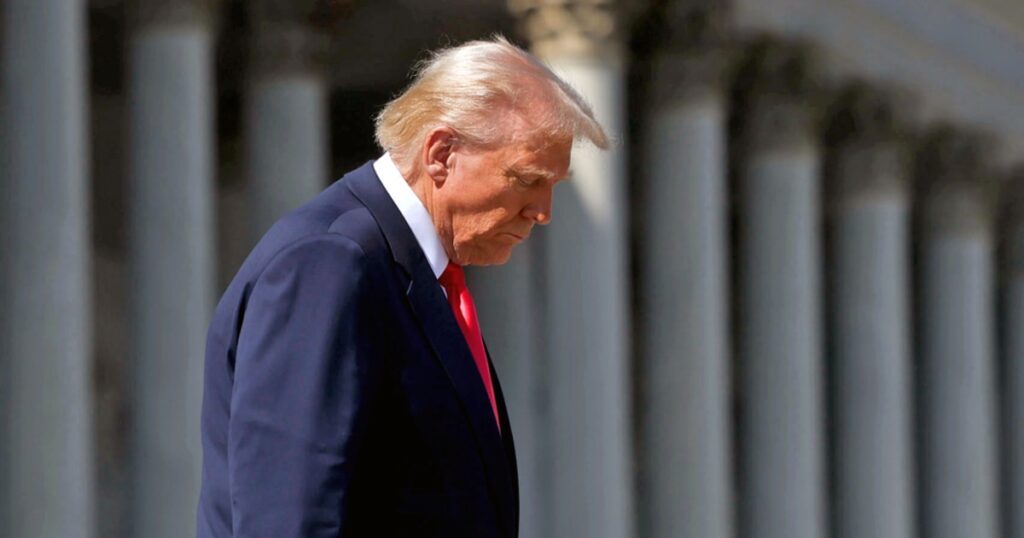
A recent NBC News poll highlights growing voter dissatisfaction with the U.S. economy and President Donald Trump's handling of economic issues, with only 18% rating the economy positively and a majority disapproving of his management of inflation. The poll also reveals skepticism towards government efficiency initiatives, with 47% holding negative views of the Department of Government Efficiency and 51% disapproving of Elon Musk's involvement. Amidst these domestic challenges, President Trump is also addressing international issues, such as proposing a cease-fire in Ukraine, while his overall approval rating stands at 47%, reflecting a divided public opinion.

Russian forces have reportedly expelled the Ukrainian army from the town of Sudzha in the Kursk border region, as announced by Russian officials, though these claims remain unverified. This development occurs alongside diplomatic efforts, with a senior U.S. envoy in Moscow discussing a proposed 30-day ceasefire supported by Ukraine, aimed at temporarily halting the ongoing conflict. However, Russia remains skeptical of the ceasefire, viewing it as a strategic advantage for Ukraine, while the international community watches closely for any progress toward a peaceful resolution.
The Education Department has announced plans to terminate approximately 1,300 career employees, which is about half of its workforce, as part of a broader strategy that may lead to the department's closure, according to Education Secretary Linda McMahon. This decision has raised concerns about the future of educational policy and administration in the U.S., amid other significant global and domestic issues. Concurrently, international tensions persist with the ongoing Ukraine-Russia conflict and economic strains from U.S. tariffs, while authorities in the Dominican Republic search for a missing U.S. college student, illustrating the multifaceted challenges facing policymakers.