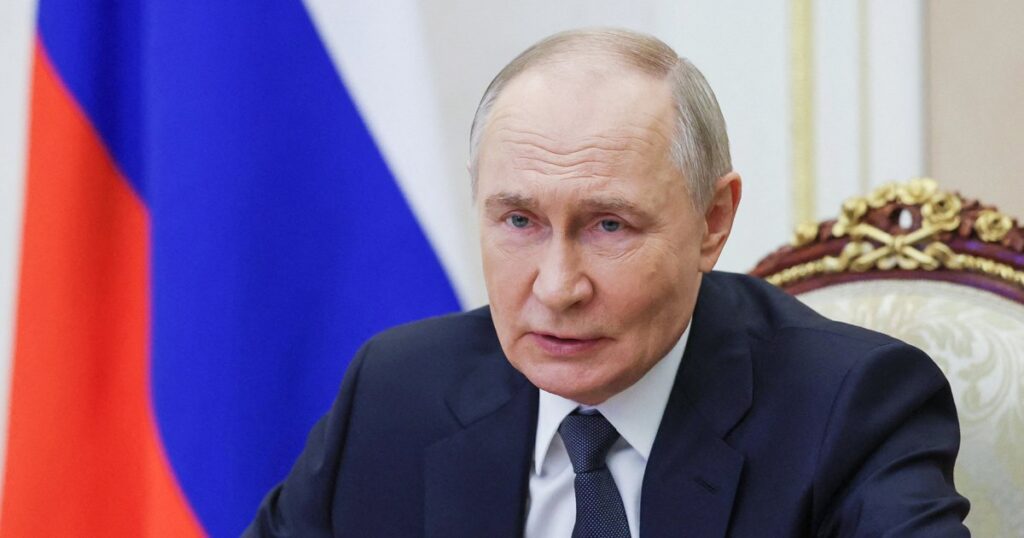
Russian President Vladimir Putin has announced a temporary ceasefire in Ukraine to coincide with the Easter holiday, beginning at 1800 hours on Saturday and lasting until midnight on Sunday. The ceasefire aims to provide a pause in the three-year conflict, with Putin urging Russian forces to remain vigilant and expressing hope that Ukraine will reciprocate the gesture. This announcement comes as Russia's Defense Ministry reports progress in military operations, and the international community will be observing whether the truce holds and leads to further diplomatic efforts.
Posts tagged as “Eastern Ukraine”
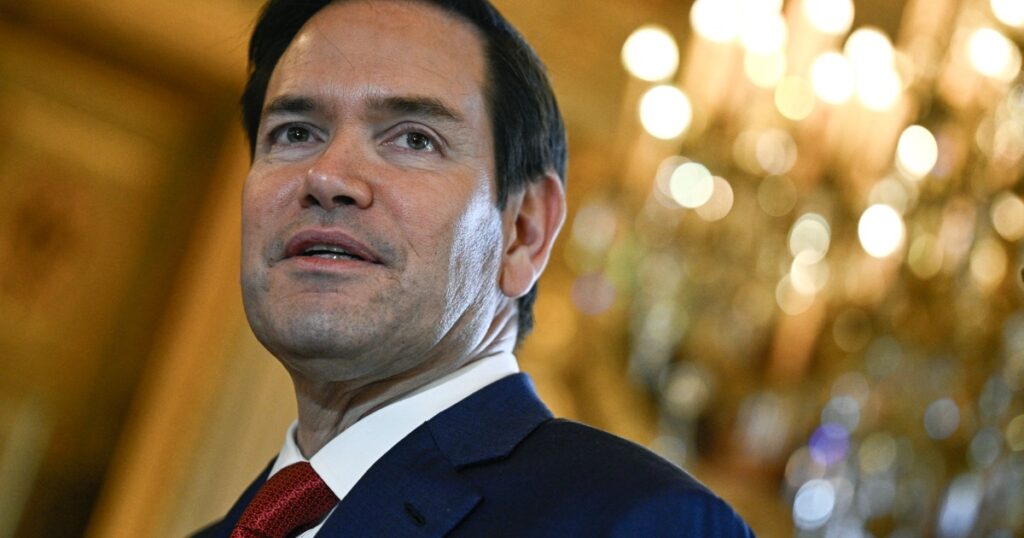
U.S. Secretary of State Marco Rubio announced that the United States might soon reassess its involvement in peace talks between Russia and Ukraine if significant progress is not made, emphasizing the urgency of reaching a decision within days. This statement reflects growing impatience within the U.S. administration, which has been actively seeking a resolution since President Donald Trump took office, but has yet to achieve the desired outcome despite various diplomatic efforts. The potential shift in U.S. strategy represents a critical moment in the international response to the conflict, with the coming days being crucial in determining the success of current diplomatic initiatives or the need for a new approach.

A Russian court sentenced four journalists to five and a half years in prison for extremism due to their ties with an anti-corruption organization founded by the late Alexei Navalny, as part of a broader crackdown on Kremlin critics. The trial, held behind closed doors, reflects intensified suppression of dissent since Russia's military actions in Ukraine began in February 2022, with the journalists maintaining their innocence and attributing their prosecution to their professional work. This case exemplifies the growing challenges for media professionals in Russia, where the distinction between journalism and criminal activity is increasingly blurred, raising international concerns about freedom of speech and press.
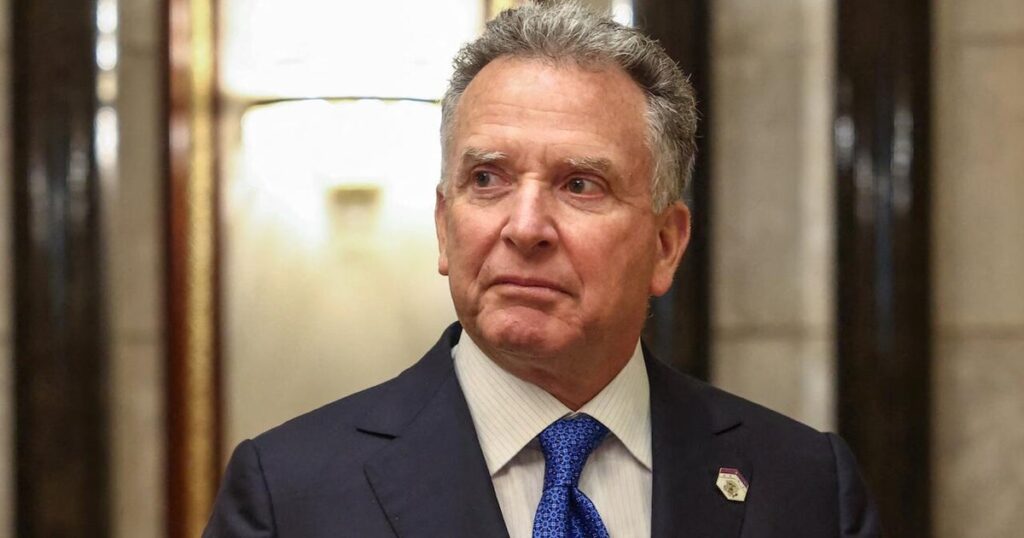
In a recent U.S.-Russia prisoner exchange, dual national Ksenia Karelina, a former ballerina sentenced to 12 years in a Russian penal colony for allegedly supporting Ukraine's military, returned to the United States. The exchange involved Arthur Petrov, accused of forming a global smuggling spy ring, though details of his activities remain undisclosed. Facilitated by U.S. special envoy Steve Witkoff, this exchange underscores the complexities of diplomatic negotiations and marks a significant moment in U.S.-Russia relations.
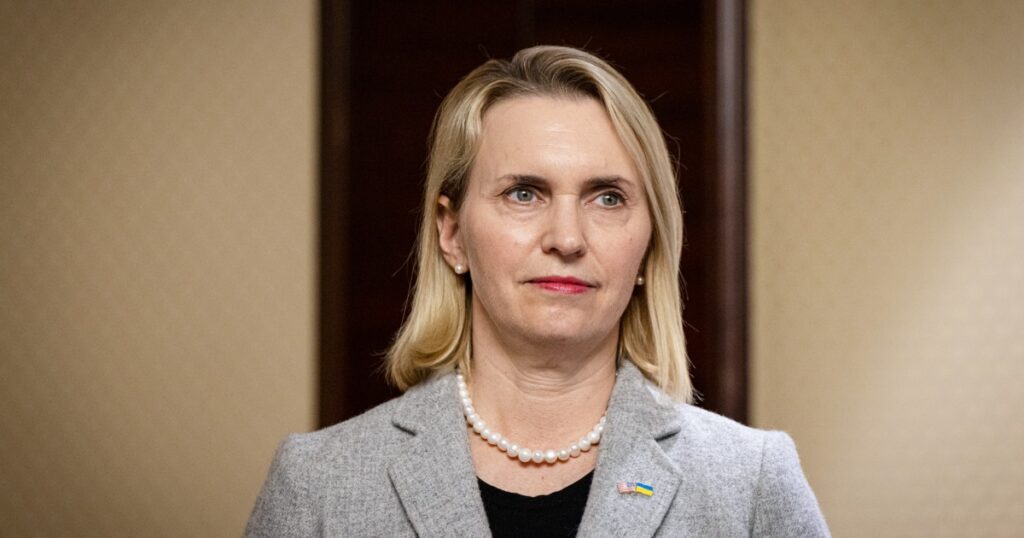
U.S. Ambassador to Ukraine, Bridget Brink, is set to resign after nearly three years in Kyiv, amid the Trump administration's efforts to negotiate a peace deal between Russia and Ukraine. Her departure, confirmed by the State Department, comes as she has been a strong advocate for U.S. military support to Ukraine, aligning with the administration's policies. This resignation occurs within the broader context of diplomatic efforts to achieve a ceasefire in the Black Sea region, highlighting the complexities of U.S. foreign policy in Eastern Europe.
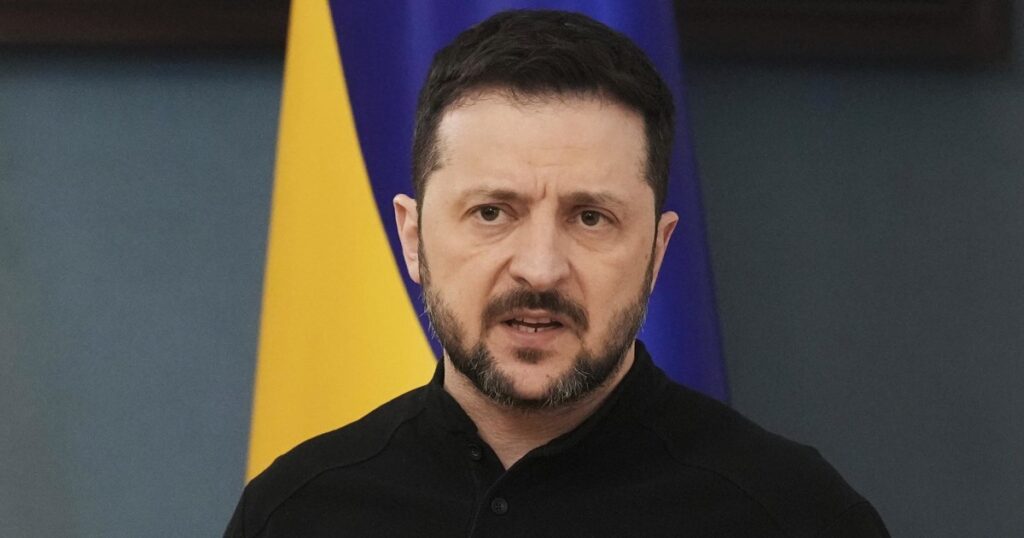
Ukrainian President Volodymyr Zelenskyy announced the capture of two Chinese nationals allegedly fighting with Russian forces in the Donetsk region, highlighting potential third-party involvement in the ongoing Ukraine-Russia conflict. This development raises questions about international involvement and could complicate global diplomatic relations, prompting Zelenskyy to seek clarification from Beijing regarding China's stance and the role of its citizens. The situation is being closely monitored by the United States and other international actors, as it may influence diplomatic efforts and military support strategies amid the evolving geopolitical landscape.
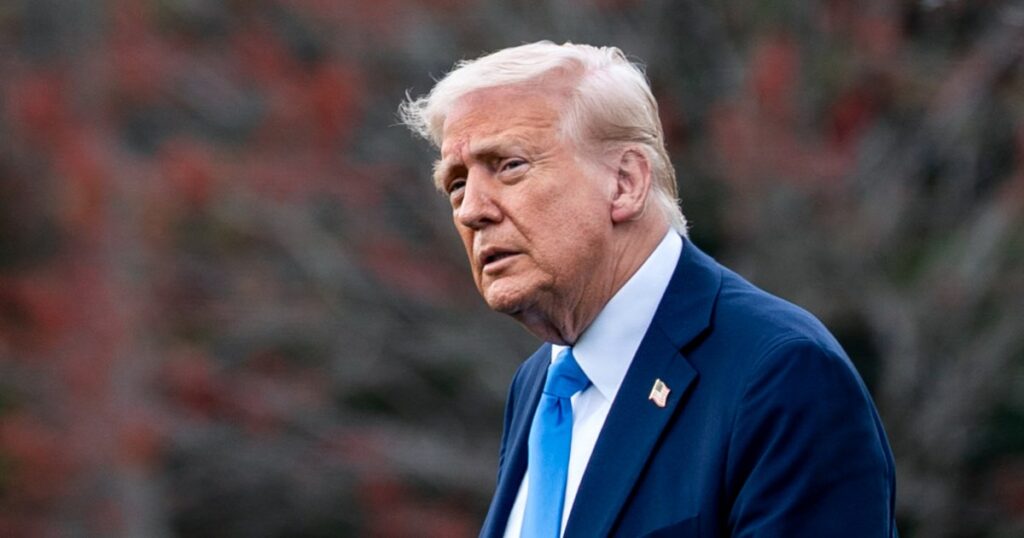
Former U.S. President Donald Trump expressed strong emotions over Russian President Vladimir Putin's criticism of Ukrainian President Volodymyr Zelenskyy, stating he was "very angry" and suggesting that such remarks hinder conflict resolution efforts. Trump proposed potential measures, such as imposing secondary tariffs on Russian oil exports, if he determines Russia is responsible for ongoing hostilities, highlighting the complexities of mediating peace between the two nations. Amid broader concerns about the conflict's global implications, a new documentary, "Putin's Endgame," explores the potential regional and international consequences, underscoring the challenges and prolonged nature of achieving peace.
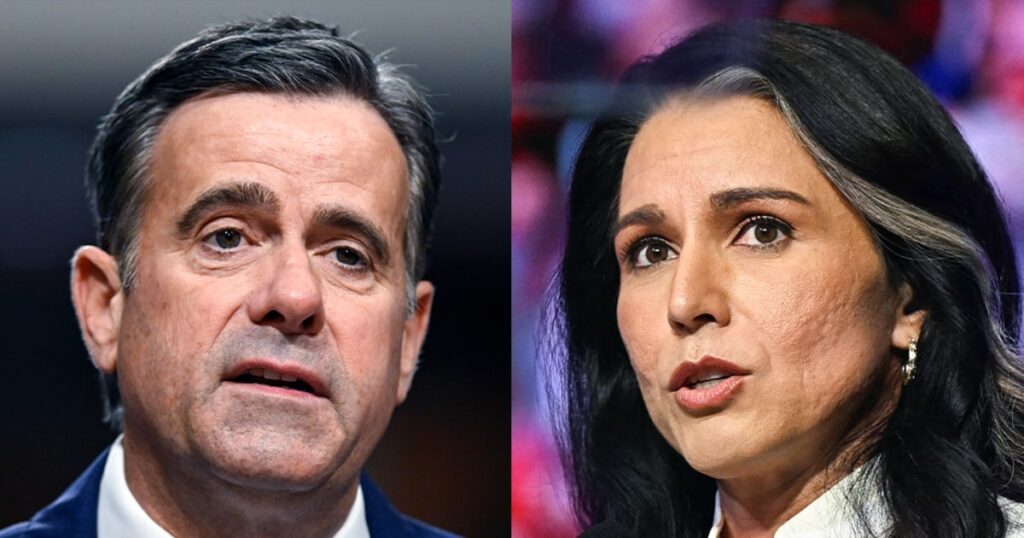
A recent incident involving the use of the messaging app Signal by senior officials from the Trump administration has raised concerns about the handling of sensitive information, as a group chat discussing U.S. military plans inadvertently included a journalist. Despite the potential security risks highlighted by this mishap, top intelligence officials assured that no classified materials were shared and downplayed the significance of the incident during a Senate Intelligence Committee hearing. The situation has sparked a broader discussion about the administration's communication practices and the importance of secure channels, especially in light of reported attempts by Russia to compromise Signal.