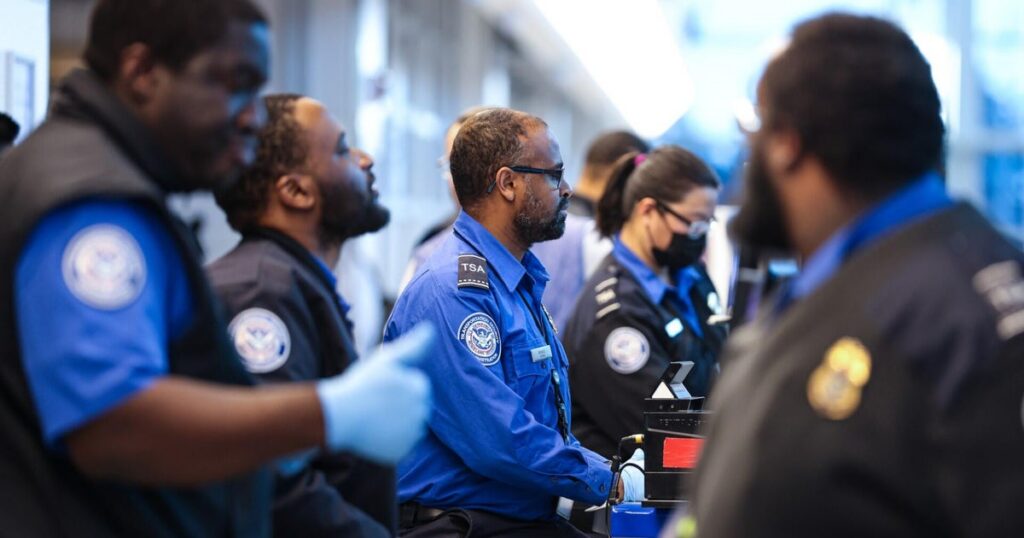
The partial government shutdown has forced around 50,000 TSA agents to work without pay, leading to staffing shortages, increased absences, and long security lines at major U.S. airports. Despite President Trump’s public support, TSA employees face financial hardships and growing resignations, while airline CEOs urge Congress to pass legislation ensuring pay during shutdowns. Travelers experience delays and stress, and isolated incidents of violence against TSA officers have occurred, highlighting the mounting operational and emotional toll of the ongoing funding lapse.
Posts tagged as “Donald Trump”
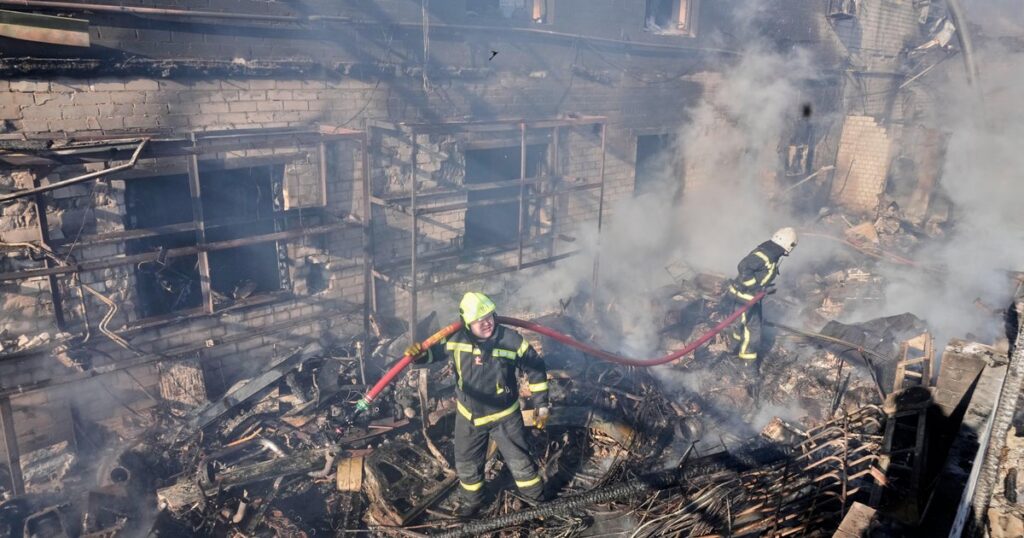
Ukrainian President Volodymyr Zelenskyy is ready to resume trilateral peace talks with Russia and the U.S., but the timing and location hinge on an agreement between Washington and Moscow, with recent talks postponed due to the Middle East conflict. Ukraine is also leveraging its extensive drone warfare expertise, developed through years of combat against Russian attacks, to assist other countries facing similar threats, while urgently seeking additional air defense systems amid concerns over depleted stockpiles. Meanwhile, regional tensions rise as Iran warns Ukraine against involvement in Middle Eastern drone conflicts, complicating Kyiv’s diplomatic and military efforts.

Cybersecurity firm Nisos uncovered a sophisticated North Korean scheme involving at least 20 operatives using stolen American identities to secure remote jobs at U.S. companies, funneling money back to North Korea and potentially stealing sensitive information. The investigation revealed the operatives applied to over 160,000 U.S. job roles and communicated frequently in English, with the FBI and law enforcement labeling the scheme a significant national security threat. These activities help North Korea evade sanctions and fund illicit programs, while U.S. authorities continue to address related security and political challenges domestically and internationally.
US Strikes Military Targets on Iran’s Kharg Island, Sparing Oil Facilities Amid Rising Gulf Tensions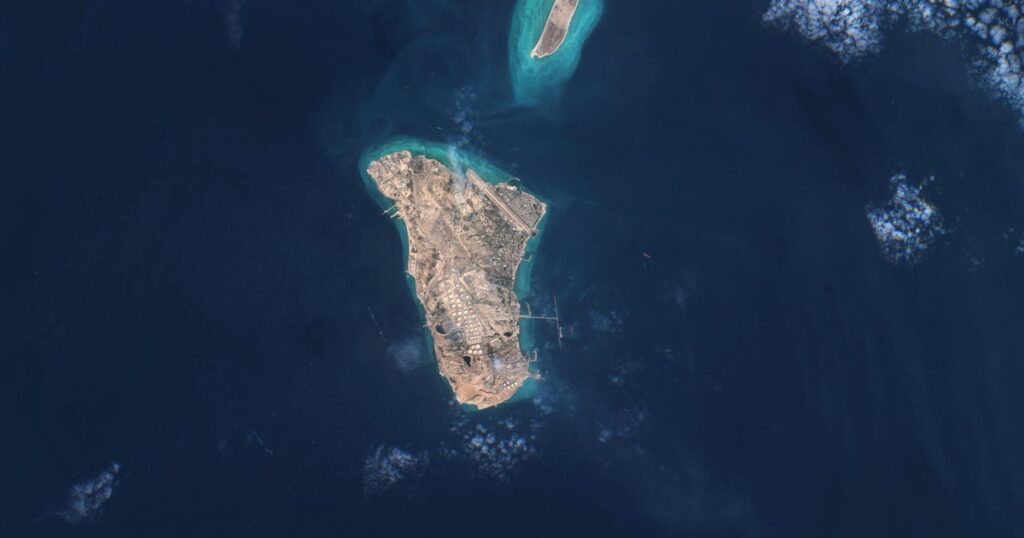
US Strikes Military Targets on Iran’s Kharg Island, Sparing Oil Facilities Amid Rising Gulf Tensions
Kharg Island, a vital hub for Iran’s oil exports located near the Strait of Hormuz, has recently been targeted by U.S. military strikes aimed at disabling military sites while sparing energy infrastructure to avoid disrupting global oil supplies. President Trump emphasized that any negotiation with Iran would require the country to abandon its nuclear ambitions and highlighted ongoing international efforts to secure the Strait of Hormuz amid escalating regional tensions. The conflict continues to heighten instability in the Gulf, with Iran threatening to close the strategic shipping lane and the U.S. coordinating with allies to maintain open passage.
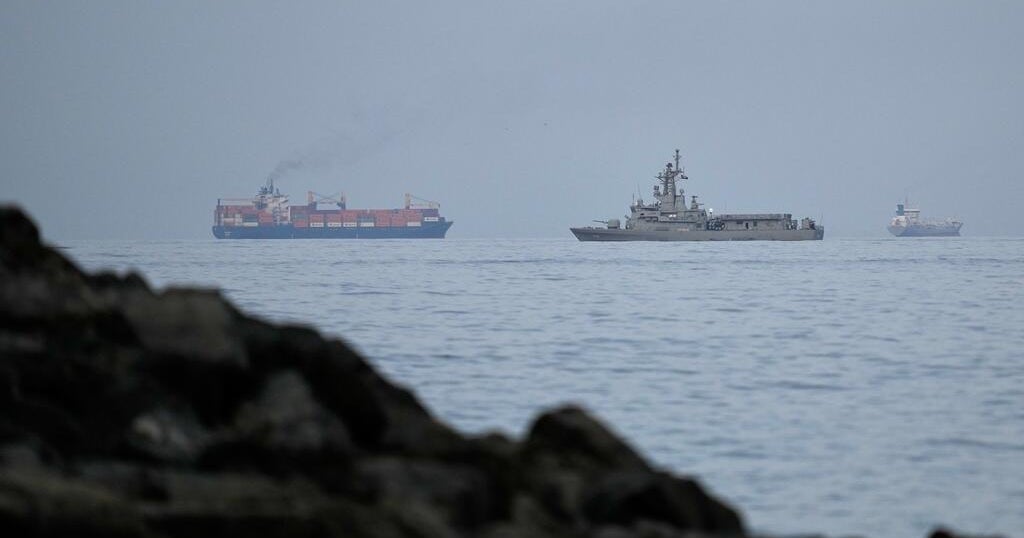
The Trump administration is considering a military operation to escort oil tankers through the Strait of Hormuz following a series of attacks on vessels in the Persian Gulf, which have disrupted global oil shipments and driven up prices. The proposed operation involves neutralizing Iranian threats through strikes on missile and drone facilities before providing convoy protection with U.S. Navy ships and international partners, amid ongoing drone attacks by Iran targeting U.S. bases and regional infrastructure. As the conflict escalates, the U.S. and allies are working to secure critical maritime routes and counter Iran’s advanced drone warfare capabilities in a highly volatile environment.
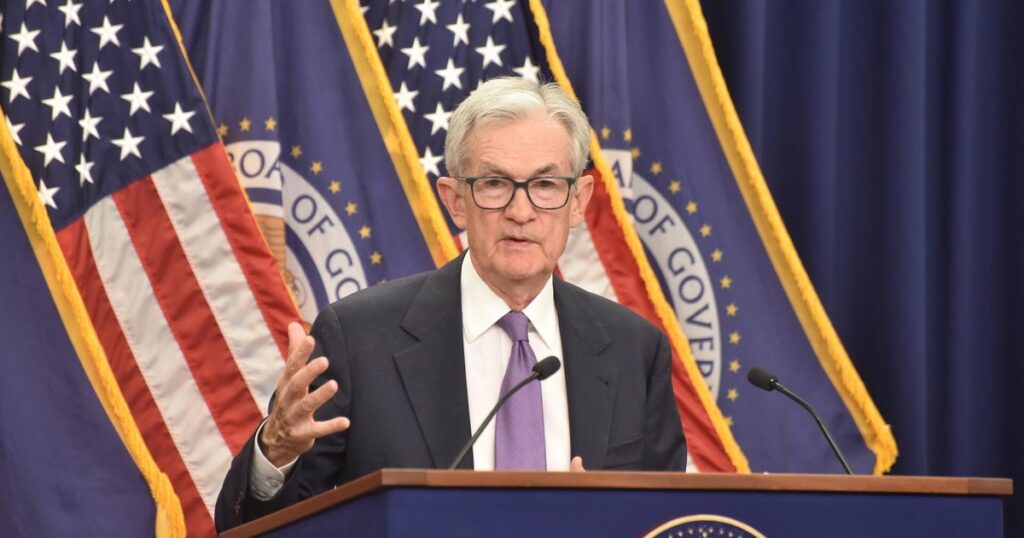
A federal judge dismissed grand jury subpoenas targeting Federal Reserve Chair Jerome Powell, ruling they were intended to pressure him rather than investigate legitimate criminal conduct. The investigation, led by U.S. Attorney Jeanine Pirro, focused on Powell’s testimony about a costly Federal Reserve renovation project but was criticized as politically motivated, especially given President Trump’s public attacks on Powell for resisting interest rate cuts. The ruling blocks the subpoenas, prompting plans for an appeal from the Justice Department, while some lawmakers welcomed the decision as a check on a weak investigation.
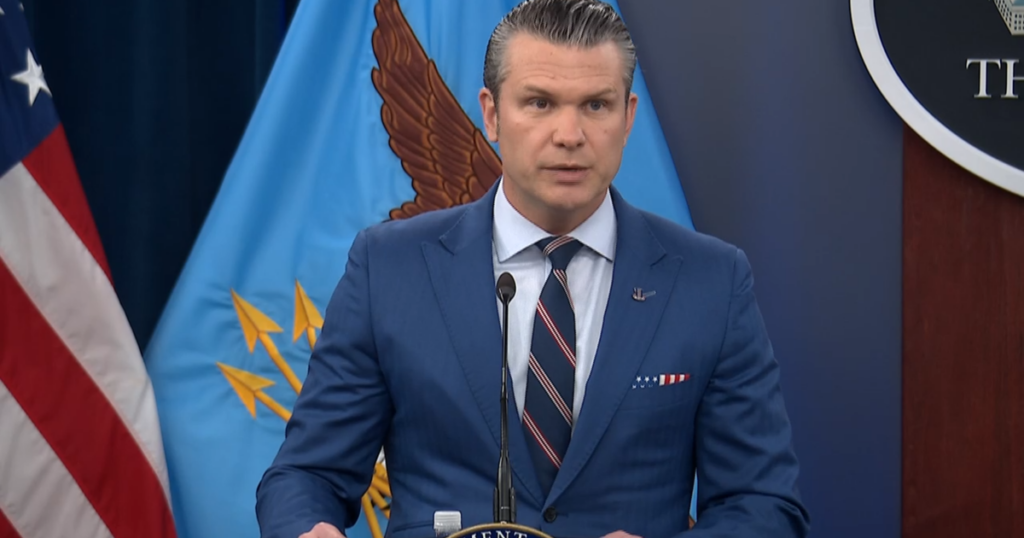
The Pentagon provided updates on the U.S.-Iran conflict, reporting a significant reduction in Iran’s missile capabilities and ongoing investigations into a recent U.S. tanker crash in Iraq. Despite extensive U.S. strikes on Iranian targets, Iranian attacks continue, impacting global oil prices and prompting temporary easing of sanctions on Russian oil to stabilize markets. Public opinion remains divided over the conflict, with mixed messaging from U.S. officials and Iran asserting its intent to control the Strait of Hormuz and sustain attacks in the region.
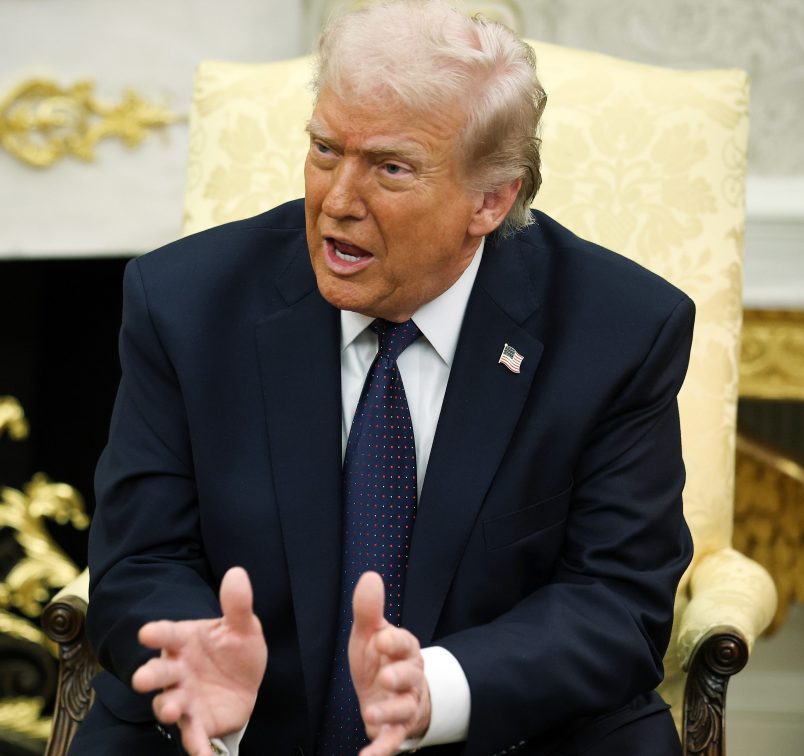
The conflict involving Iran in the Middle East has intensified over nearly two weeks, marked by a tragic U.S. military aircraft crash in Iraq, persistent Iranian drone and missile attacks on Gulf allies, and rising tensions fueled by President Trump’s aggressive rhetoric. These attacks have disrupted critical shipping routes like the Strait of Hormuz, prompting discussions of U.S. naval escorts to protect oil tankers amid soaring global energy prices. Meanwhile, Iran’s internal crackdown on protests and calls from international leaders for regime change highlight the multifaceted and volatile nature of the ongoing crisis.