
The Senate overwhelmingly approved the bipartisan 21st Century ROAD to Housing Act, a comprehensive bill aimed at increasing affordable housing by streamlining construction, easing regulations, and limiting institutional investors from buying single-family homes. Sponsored by Senators Warren and Scott, the legislation includes grants, coordinated environmental reviews, and provisions to curb Wall Street’s influence in the housing market, though some opposition remains over certain investor restrictions. While the bill passed the Senate decisively, its future in the House is uncertain due to differences in versions, political opposition, and competing legislative priorities, even as housing affordability remains a critical issue for Americans.
Posts tagged as “Donald Trump”

Iran’s newly appointed Supreme Leader, Ayatollah Mojtaba Khamenei, issued his first public statement reaffirming the blockade of the Strait of Hormuz and threatening attacks on neighboring countries hosting U.S. military bases. His statement was delivered without a direct appearance, fueling speculation about his health after being injured in recent U.S.-Israeli strikes, and signaling a hardline stance with continued support for proxy groups across the Middle East. Khamenei vowed revenge for Iranian casualties in the strikes and emphasized Iran’s commitment to disrupting global oil transit while expressing a desire for constructive regional relations.
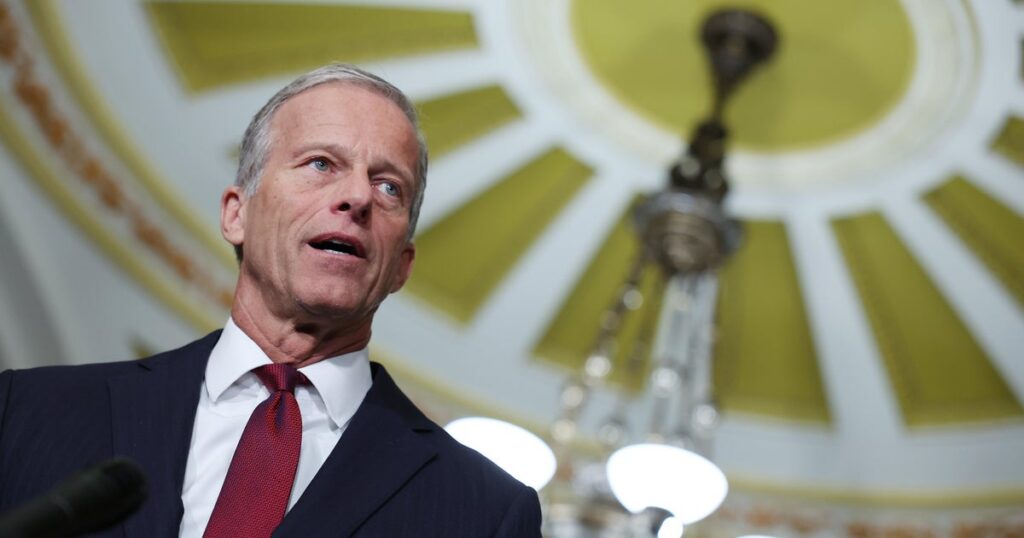
The U.S. Senate remains deadlocked over funding the Department of Homeland Security due to sharp disagreements between Democrats and Republicans on immigration enforcement reforms, resulting in a partial government shutdown lasting nearly a month. Democrats demand reforms such as body cameras and identification for immigration agents following fatal shootings, while Republicans resist these changes and accuse Democrats of stalling negotiations. The impasse has caused operational disruptions, including TSA workers missing paychecks and increased absenteeism, with no clear resolution in sight as both parties continue behind-the-scenes talks amid mounting pressure.
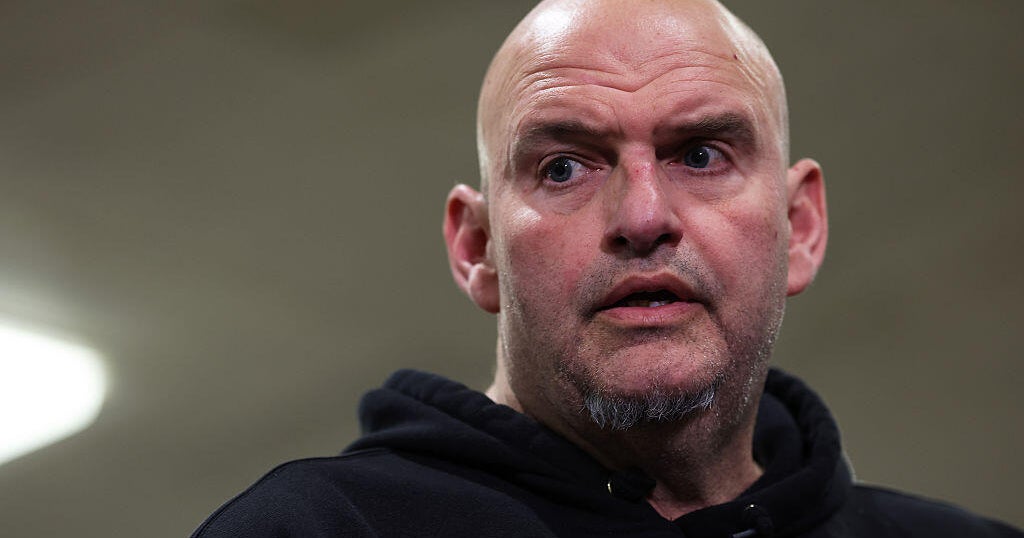
The conflict between the United States, Israel, and Iran has led to significant military casualties, economic costs exceeding $11.3 billion in the first six days, and disruptions to global oil trade through the Strait of Hormuz. Democratic Senator John Fetterman supports the U.S.-Israel military campaign, citing Iran’s limited ability to inflict damage and emphasizing the threat posed by Iran’s nuclear ambitions despite intelligence reports indicating no active nuclear weapon development. Meanwhile, the war’s human toll includes thousands of deaths across the involved nations, and President Trump has expressed uncertainty about the conflict’s duration as the U.S. seeks additional funding to sustain military operations.
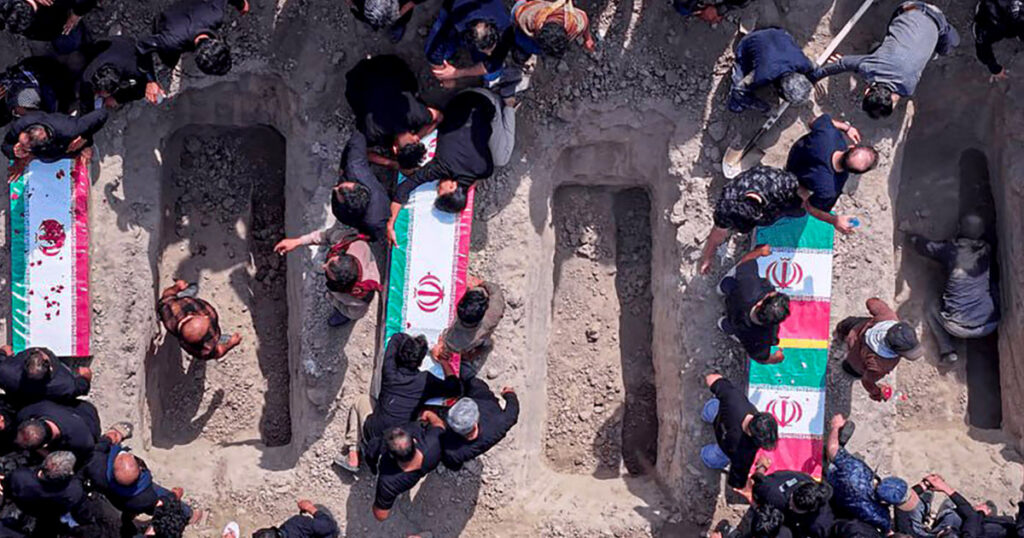
An internal U.S. military investigation preliminarily found that outdated intelligence led to a missile strike on an elementary school in Iran, killing over 170 civilians, mostly children, during a coordinated U.S.-Israeli operation. The strike mistakenly targeted the school, which had been inaccurately identified as a military site based on old intelligence, with evidence pointing to an American Tomahawk missile. Meanwhile, Iran retaliated with attacks killing six U.S. Army Reserve soldiers in Kuwait, escalating the ongoing conflict that the U.S. administration expects to continue for several weeks.

The U.S. government, through the International Development Finance Corporation (DFC), has launched a new initiative to provide political risk insurance for ships navigating the Persian Gulf amid escalating attacks and rising insurance premiums. This program, in partnership with insurer Chubb, aims to ensure the continued flow of energy supplies through the Strait of Hormuz by covering losses up to $20 billion, addressing the withdrawal of private war risk coverage. The move responds to recent vessel attacks that have drastically reduced maritime traffic and driven up global oil prices, though it raises concerns about potential financial risks for American taxpayers and the scope of coverage for non-U.S. ships.
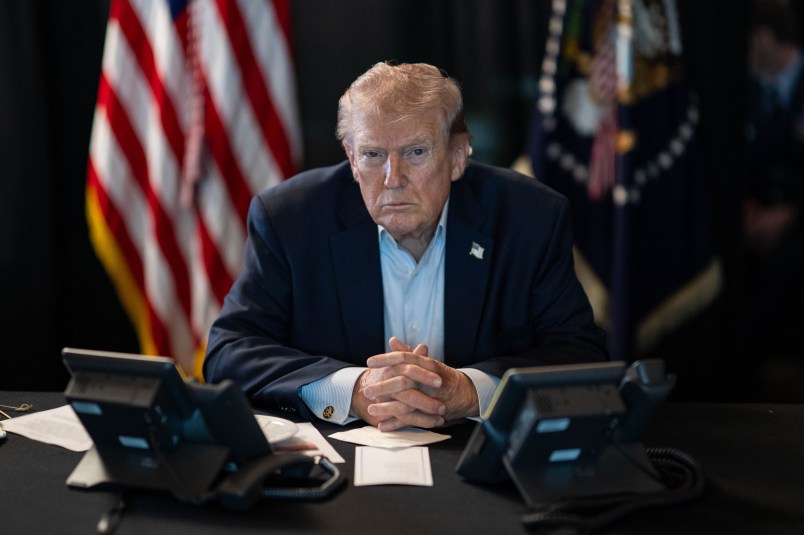
Podcaster Joe Rogan criticized President Trump’s military strikes against Iran, calling the action contradictory to Trump’s campaign promises and questioning the unclear rationale behind the operation. Public opposition to the conflict is widespread, with polls showing a majority of Americans disapprove and even some conservative voices expressing skepticism about the war’s alignment with the “America First” agenda. The administration’s inconsistent messaging has deepened political divisions and eroded support within Trump’s base, raising concerns that continued opposition could pressure the president to reconsider the conflict.
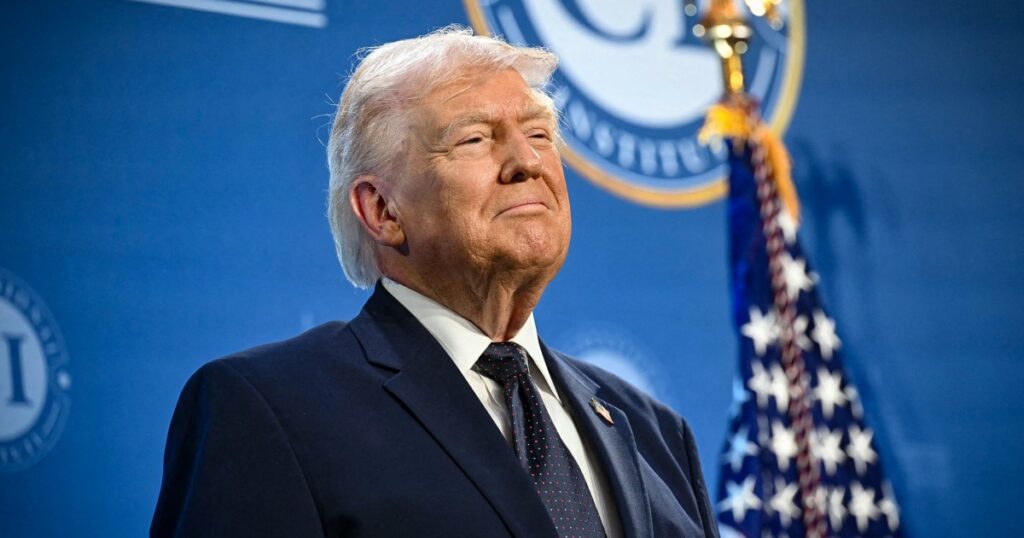
President Donald Trump and his allies are pushing the SAVE America Act, which would impose stricter voter ID and citizenship verification requirements for federal elections, including in-person proof of citizenship and a federal photo ID mandate. While some Republicans support the bill, Democrats and experts warn it could disenfranchise millions of eligible voters, particularly affecting groups with limited access to required documents. The bill faces significant hurdles in the Senate, where it lacks the 60 votes needed to overcome a filibuster, and is widely expected to fail despite Trump’s insistence on its passage.