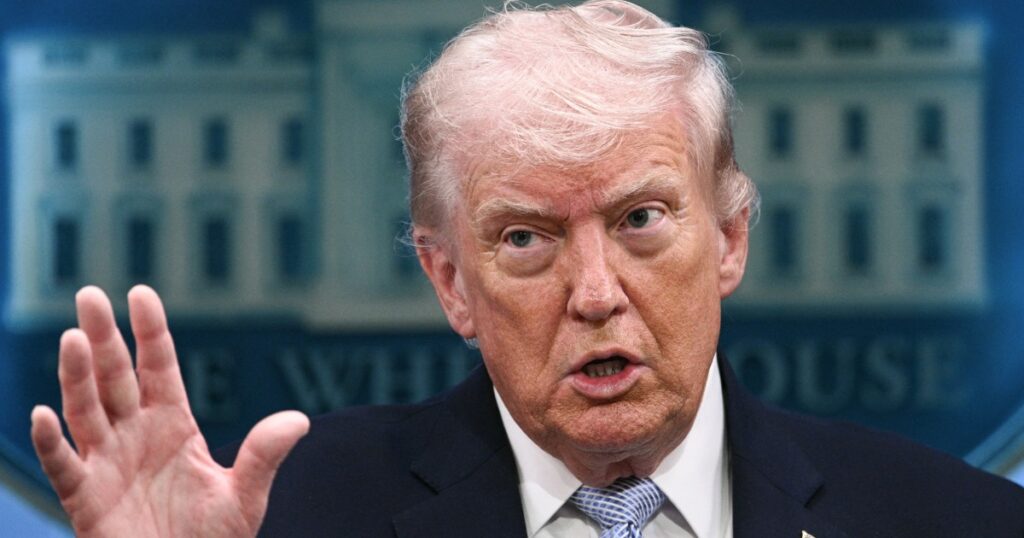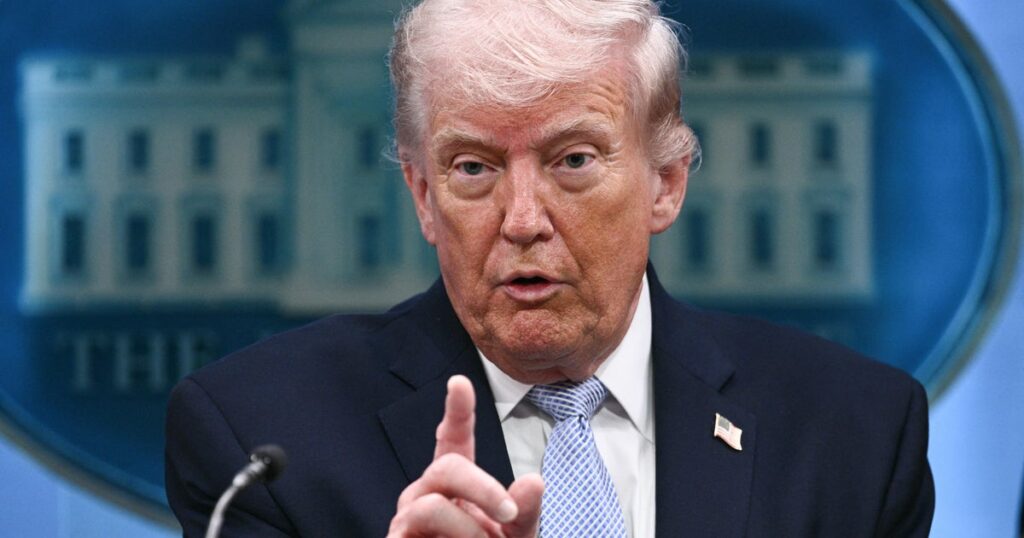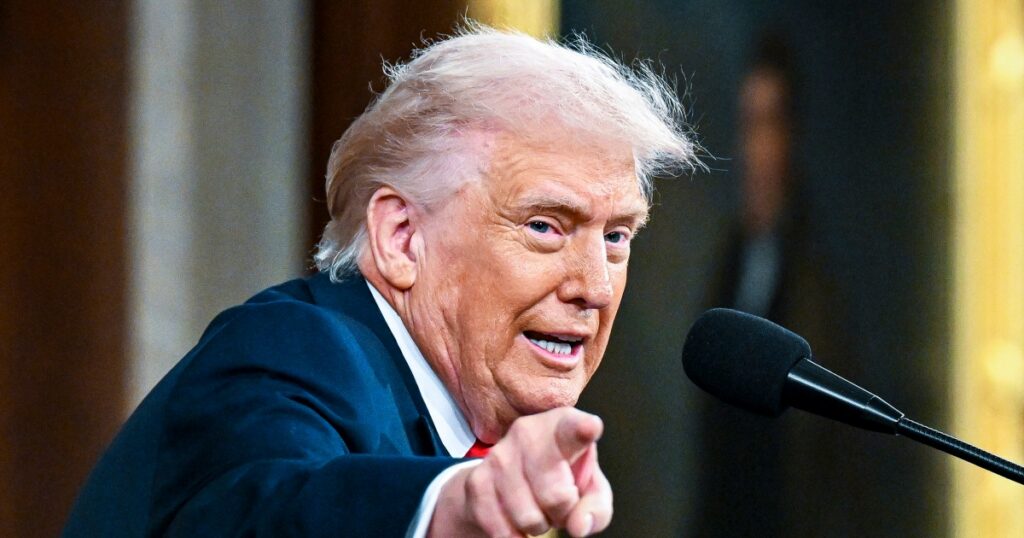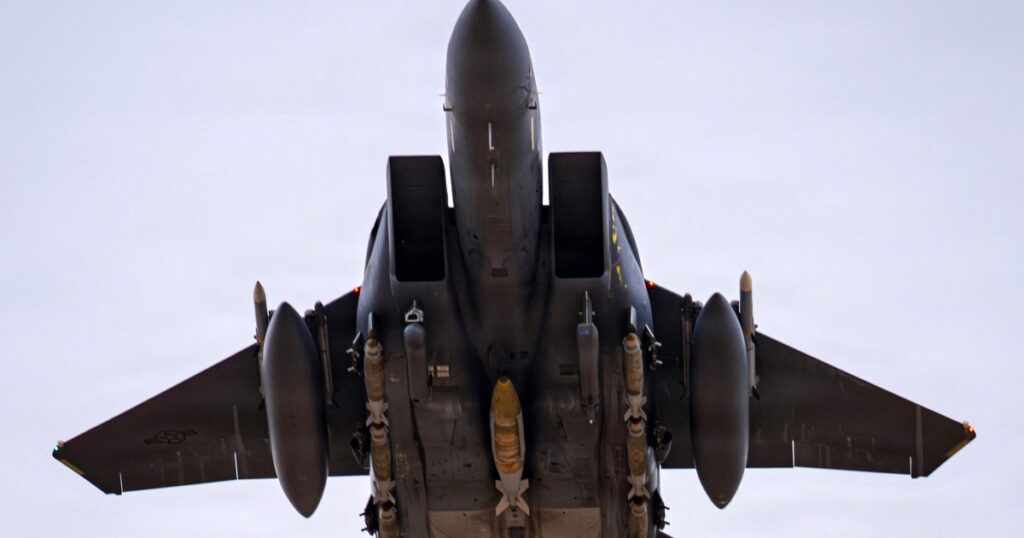
The Trump administration has been considering a high-risk operation involving the Joint Special Operations Command to seize Iran's enriched uranium stockpiles amid ongoing military efforts targeting Tehran and its allies. While initial U.S.-Israel campaigns focused on Iran's conventional military assets, the strategy has shifted toward preventing Iran from acquiring nuclear weapons, despite challenges posed by Iran's continued enrichment and regional counterattacks. Concurrently, escalating conflict in Lebanon, driven by Israeli strikes against Hezbollah and fears of a ground invasion, has displaced thousands and heightened tensions along the border, with uncertain prospects for a lasting resolution.
Posts tagged as “Donald Trump”
Tensions between the U.S. and Iran have heightened concerns over the safety of at least four American detainees held in Iran’s volatile prisons amid ongoing conflict and unrest. Meanwhile, the U.S. government is considering various military options, including potential ground troop deployments, to counter Iran’s strategic capabilities and secure key regional assets like the Strait of Hormuz. These developments occur alongside complex regional dynamics, with strained U.S.-Israel coordination following unilateral Israeli strikes on Iranian targets, highlighting the challenges of balancing humanitarian concerns with broader military and diplomatic strategies.
The U.S. Department of Defense has been engaging with families of fallen service members while preparing for a possible deployment of ground troops to the Middle East amid ongoing tensions with Iran. Defense Secretary Pete Hegseth reported that many families urged the continuation of the mission, though some, like Charles Simmons, expressed uncertainty about the war’s necessity. Meanwhile, Pentagon officials are readying forces including the 82nd Airborne Division and Marine units, even as President Trump denies immediate plans to send troops, emphasizing that preparations aim to preserve strategic options.
A federal commission appointed by former President Donald Trump has approved the final design for a 24-karat gold commemorative coin featuring Trump’s image to mark the United States' 250th anniversary in 2026. Despite federal laws prohibiting living presidents on currency, Treasury Secretary Scott Bessent authorized the coin’s production, which will be limited in quantity and potentially larger than standard gold coins. This gold coin project is separate from a planned $1 circulated coin featuring Trump, and its approval bypassed some traditional advisory channels amid broader efforts by Trump to link his legacy with national celebrations.
Corey Lewandowski, a close adviser to former President Trump and former top aide to DHS Secretary Kristi Noem, has been accused of seeking financial compensation tied to government contracts awarded to the private prison company GEO Group during the post-2024 election transition. Despite Lewandowski’s denials, congressional investigations and internal complaints have scrutinized his role in DHS contracting decisions, leading to Noem’s dismissal and ongoing probes into potential financial benefits linked to these contracts. The controversy highlights concerns over ethical conduct and the influence of political figures in government contracting related to immigration enforcement.
Bipartisan talks to end the partial shutdown of the Department of Homeland Security (DHS) saw progress during a recent meeting between senators and the White House’s border czar, Tom Homan, though no agreement was reached. The shutdown, which began February 14, has caused significant disruptions, including unpaid federal workers and TSA staffing shortages leading to airport delays. Despite proposals from the administration to negotiate on immigration enforcement reforms, Democrats insist on substantial changes to ICE policies before funding DHS, while Republicans demand funding the entire department, leaving the standoff unresolved as the Senate’s recess approaches.
The Trump administration is reportedly preparing to request over $200 billion in emergency supplemental funding from Congress to support ongoing military operations in Iran, potentially using the request to retroactively justify the conflict. While House Speaker Mike Johnson and Defense Secretary Pete Hegseth have not ruled out the large funding package, lawmakers, especially Democrats, have expressed concerns about the lack of congressional authorization and the political challenges in passing such a bill. President Trump defended the surprise nature of the strikes on Iran, compared them to Pearl Harbor, confirmed the funding request, and downplayed the economic impact despite disruptions in the Strait of Hormuz.