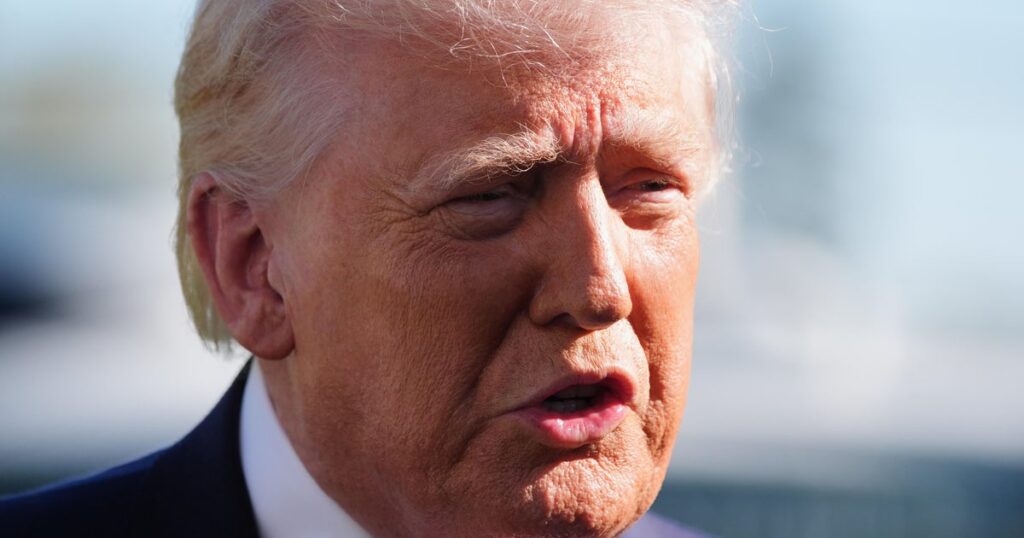
The U.S. will begin blockading ships entering and exiting Iranian ports in the Strait of Hormuz on Monday, escalating tensions after failed peace talks with Iran. The move has sent oil prices soaring and drawn mixed responses from international allies.
Posts tagged as “Donald Trump”
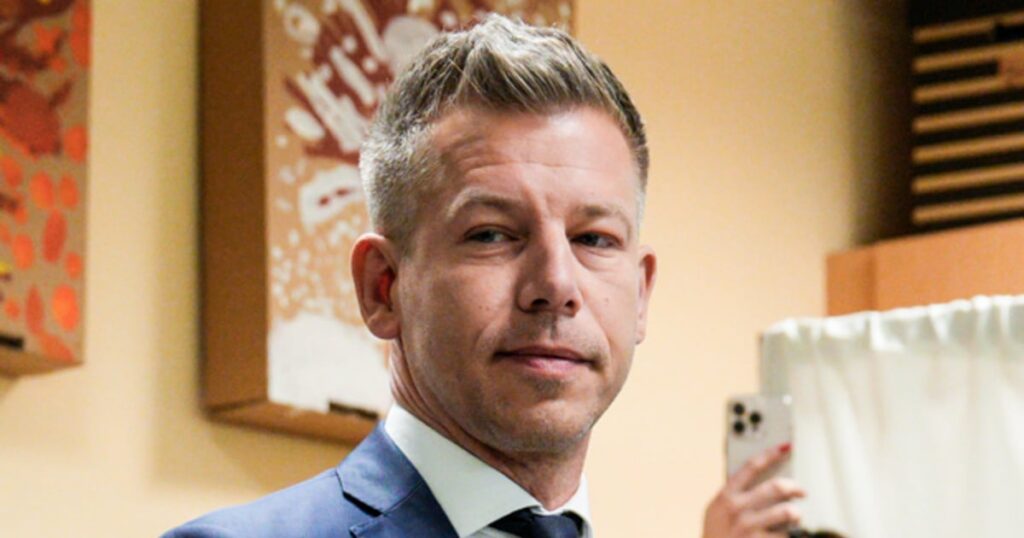
Hungarian Prime Minister Viktor Orbán concedes defeat after 16 years as opposition leader Peter Magyar’s center-right party wins a parliamentary supermajority. European leaders welcome the shift toward European Union values.
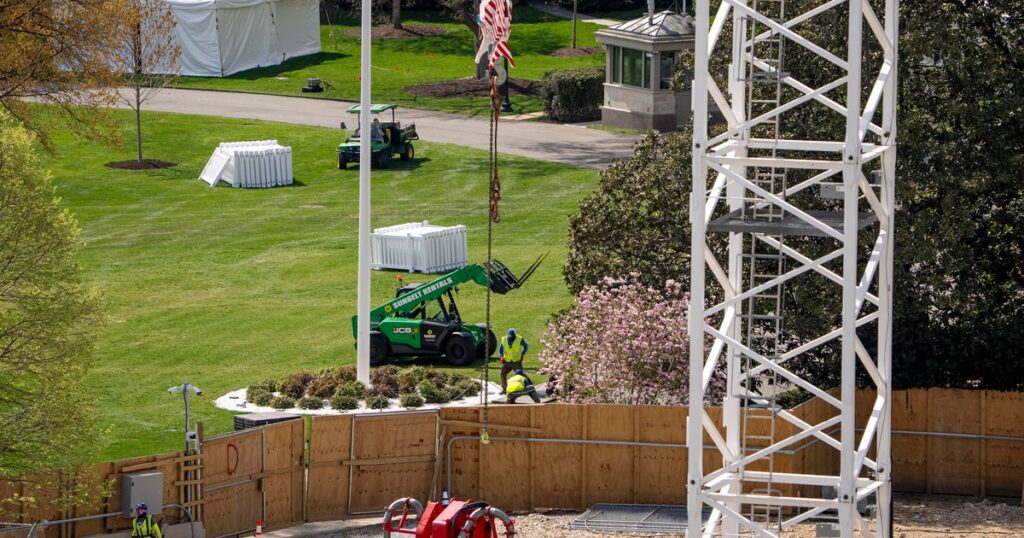
A federal appeals court temporarily allows construction of President Trump's White House ballroom to continue while sending the case back to a lower court to clarify national security concerns. The project faces legal challenges over presidential authority and historic preservation.

Rep. Eric Swalwell faces multiple sexual misconduct allegations from former staff and others, prompting House Democratic leaders to call for him to drop out of the California governor race. Swalwell denies the claims and vows to fight them.

President Trump's plan for a 250-foot triumphal arch near Arlington National Cemetery faces legal challenges over congressional approval and concerns about obstructing historic views and nearby airport flight paths.
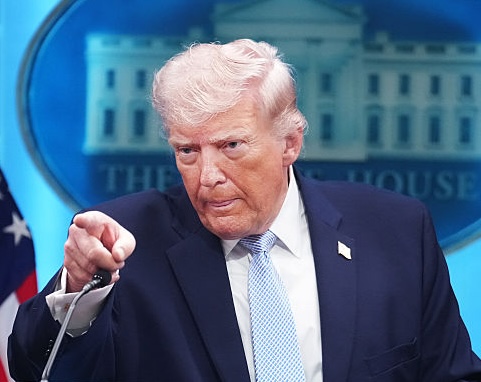
President Donald Trump attacks conservative critics over their opposition to his Iran war policy, calling them "losers" and "nut jobs." The dispute highlights divisions within the right over the conflict, which has drawn widespread condemnation.
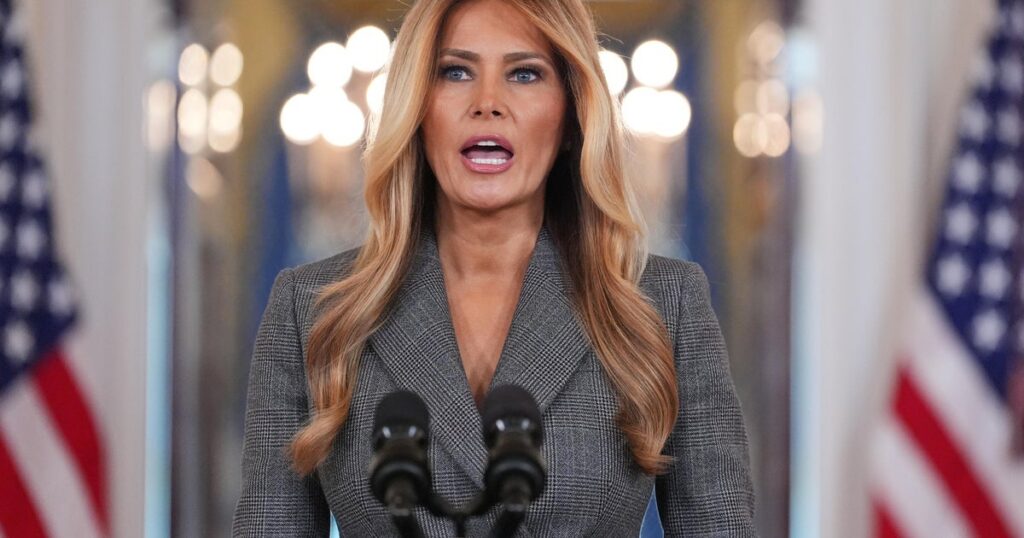
First Lady Melania Trump denies any relationship with Jeffrey Epstein and calls on Congress to hold a public hearing for survivors to testify under oath. She warns against circulating false images and statements about her connection to Epstein.
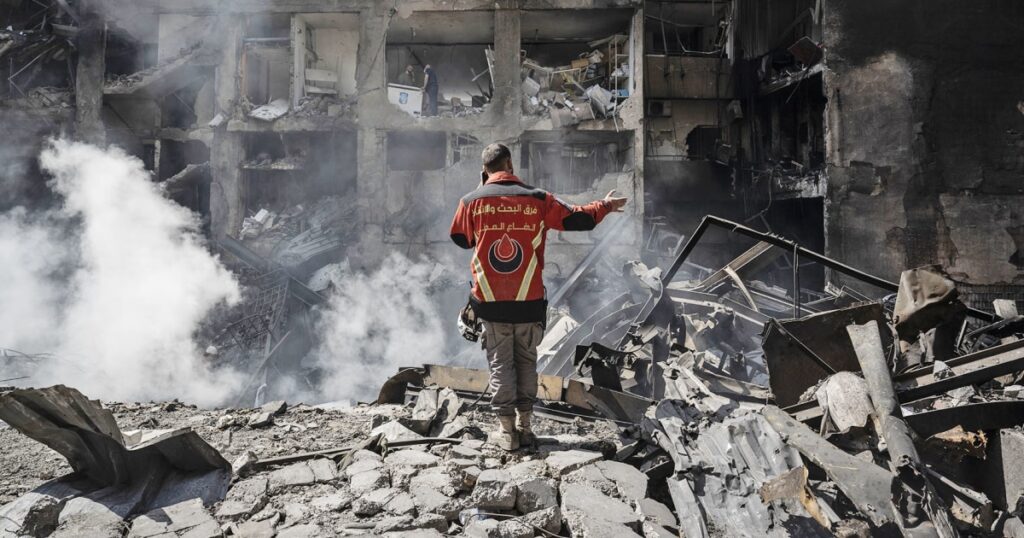
The U.S. is leading ceasefire talks in Washington to address escalating conflict in Lebanon amid ongoing Israeli strikes and complex diplomacy with Iran. Vice President JD Vance heads a delegation to Pakistan for high-stakes negotiations as tensions persist over the Strait of Hormuz and Hezbollah’s role.